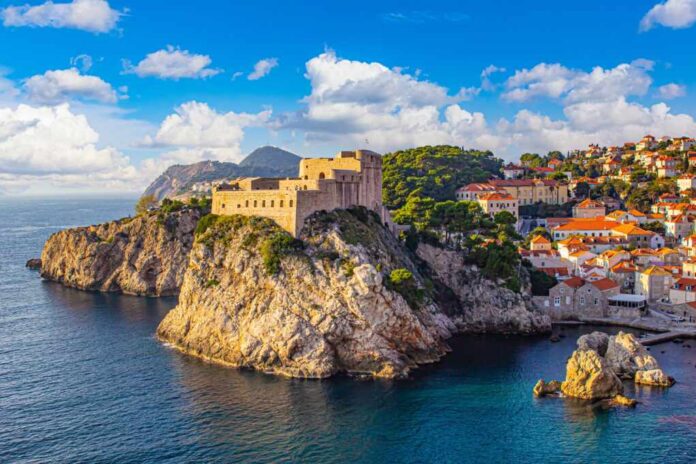
Dubrovnik, a historic UNESCO World Heritage site, is now a cautionary tale of unchecked tourism’s environmental cost. The city’s infrastructure, built for 42,000 residents, is buckling under the impact of 1.3 million annual visitors and their waste. This overload is devastating marine ecosystems and coastal health, forcing the city to implement a comprehensive plastic reduction plan. The central tension remains: how to balance lucrative tourism revenue with the environmental sustainability required to protect the very attractions that draw visitors.
Story Overview
- Dubrovnik’s waste management infrastructure, designed for 42,000 residents, struggles with over 1.3 million annual visitors
- Mass tourism has created environmental degradation, threatening Adriatic marine ecosystems and coastal health
- City implements comprehensive plastic reduction plan targeting 55% waste reduction by 2025
- Tourism patterns showa slight decline in arrivals but increased overnight stays, suggesting policy impact
Tourism Overload Overwhelms Local Infrastructure
Dubrovnik’s waste crisis exemplifies the consequences of prioritizing tourism revenue over sustainable infrastructure planning. The city’s waste management systems, originally engineered for approximately 42,000 permanent residents, now struggle to handle the environmental impact of over 1.3 million annual visitors generating 4.1 million overnight stays. This massive influx has created a perfect storm of environmental degradation, with cruise ship tourism concentrating thousands of visitors in short timeframes, while proliferating short-term rentals lack integrated waste management protocols.
— Dubrovnik tourist guide (@ToursDubrovnik) November 26, 2025
Environmental Consequences Threaten Marine Heritage
The Adriatic Sea surrounding Dubrovnik faces immediate threats from sustained waste accumulation affecting marine biodiversity, coral ecosystems, and fishing communities. Beach erosion and coastal pollution directly contradict the natural beauty that originally attracted visitors to this Croatian destination. Environmental scientists warn that current waste management approaches cannot address root causes without fundamental restructuring of visitor management and consumption patterns, particularly during peak seasons when waste generation increases dramatically.
Government Response Shows Mixed Results
Dubrovnik has implemented its Action Plan to Reduce Plastic Pollution through the WWF Plastic Smart Cities initiative, establishing ambitious targets including 55% plastic waste reduction by 2025. The municipality banned single-use plastics in public buildings, saving approximately two tonnes annually, while establishing door-to-door waste collection systems and bio-waste composting programs. Recent tourism data suggests policy effectiveness, with November 2025 showing a 1% decline in visitor arrivals despite marginal increases in overnight stays, indicating potential shifts toward longer, less resource-intensive visits.
Dubrovnik, Known for Its Beautiful Beaches, Faces a Mound of New Trash : r/NYTauto
Economic Reality Conflicts With Environmental Protection
The fundamental tension between tourism revenue and environmental sustainability reflects broader Mediterranean destination challenges affecting Barcelona and the Balearic Islands. Local residents increasingly demand environmental protection and livable conditions while tourism-dependent businesses resist visitor restrictions that could impact profitability. This crisis demonstrates how traditional tourism models prove environmentally unsustainable when infrastructure investment fails to match visitor volume growth, creating long-term threats to the very attractions that drive economic activity.
Watch the report: Chorwacja to nie tylko PIĘKNE PLAŻE ale też… ogromne WYSYPISKA ŚMIECI !!
Sources:
Dubrovnik, Known for Its Beauty, Faces a Mound of New Trash
Action Plan to Reduce Plastic Pollution in the City of Dubrovnik 2021-2026
Officials in Dubrovnik, Croatia, say the strong currents of the Adriatic Sea washed ashore a colossal amount of garbage, mostly from Albania, during a recent storm.