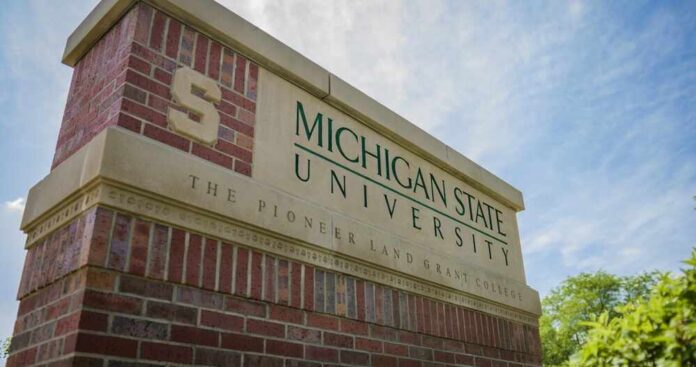
A 31-year-old former student exploited an expired Michigan State University ID to run a meth lab in a major campus lecture hall during finals week, exposing glaring security failures that endangered thousands of students.
Story Highlights
- MSU Police arrested Xin Tong inside Wells Hall with chemicals like sodium hydroxide and hydrochloric acid used for methamphetamine production.
- Tong, no longer enrolled, accessed the building undetected using his expired student ID, causing over $20,000 in property damage.
- Wells Hall, MSU’s largest lecture facility was closed disrupting finals for thousands and requiring hazmat cleanup.
- Tong faces felony charges for maintaining a meth lab and malicious destruction of property; court dates set for May 2026.
- Incident highlights rare but dangerous campus security vulnerabilities amid rising post-COVID drug operations.
Arrest Exposes Campus Security Gaps
Michigan State University Police arrested 31-year-old Xin Tong inside Wells Hall after reports of property damage. Officers discovered multiple bags of chemicals, including sodium hydroxide pellets and hydrochloric acid, key ingredients in methamphetamine production. Tong, a former student, allegedly operated the lab undetected for weeks. This breach occurred in MSU’s largest lecture hall, built in 1964, which hosts thousands during peak periods like finals week. Campus police, handling about 1,000 drug incidents yearly, faced an unprecedented meth lab case.
Expired ID Enables Unauthorized Access
Tong retained his expired MSU student ID to enter Wells Hall. Property damage alerts prompted the police response that uncovered the lab setup. Such lapses echo national trends where non-students exploit lingering access amid a 15% spike in campus drug operations post-COVID. MSU previously dealt with fentanyl overdoses and marijuana busts in 2023, but no prior meth labs. Experts note expired IDs represent a systemic flaw, especially during high-traffic finals when vulnerabilities peak. This incident demands stricter ID deactivation protocols to protect students pursuing the American Dream through hard work.
Immediate Disruptions and Legal Proceedings
Wells Hall closed through for hazmat evaluation and cleanup, relocating exams for thousands and heightening student anxiety. Estimated costs exceed $50,000 for hazmat and $100,000 total for repairs. Tong’s arraignment followed late April, with a pre-exam conference on May 8 and preliminary exam on May 14. Ingham County Court oversees prosecution on felony charges of maintaining a meth lab and destroying property over $20,000. MSU Administration and Police emphasized chemical hazards in statements, prioritizing public safety.
MSU stakeholders, including police and administrators, now face pressure to overhaul access controls. This case aligns with DEA warnings on lax chemical oversight in “shake-and-bake” meth methods using acids and bases. While rare—precedents include 2018 Nebraska and 2014 Wisconsin incidents—it underscores failures in university security post-9/11 and under the 2005 Combat Methamphetamine Epidemic Act.
Breaking Bad: 31-Year-Old Reportedly Busted for Running Meth Lab on Campus Using Expired Student ID | The Gateway Pundit | by V. Saxena, The Western Journal https://t.co/dmDGslqerl
— skp (@pt34tide) May 5, 2026
Broader Implications for American Universities
Short-term effects include increased security patrols and remote classes during finals. Long-term, MSU risks lawsuits, reputational damage amid past scandals like 2018 Nassar, and policy changes like RFID ID deactivation. Michigan lawmakers may push state funding for campus security. Nationally, universities audit access amid rising meth trends. Both conservatives frustrated with government oversight lapses and liberals concerned about safety failures see this as evidence of elite institutions prioritizing reputation over protecting young Americans. True reform requires accountability to restore trust in systems meant to foster opportunity.
Sources:
WWMT: DOCS: Suspect in MSU meth lab bust used expired student ID, possessed chemicals
WSBT: DOCS: Suspect in MSU meth lab bust used expired student ID, possessed chemicals