China’s top diplomat is flying into Canada promising a “new strategic partnership” at the very moment many citizens in both countries feel their leaders are cutting quiet deals far above the heads of ordinary people.
Story Snapshot
- China confirms Foreign Minister Wang Yi will visit Canada May 28–30 to push a “new type of strategic partnership.” [1][3]
- Beijing’s January readout with Canadian Foreign Minister Anita Anand already framed relations as at a “turning point” toward improvement. [2]
- The Chinese side says it wants to “strengthen communication, enhance mutual trust, eliminate interference, and deepen cooperation.” [2]
- Public evidence so far is optimistic diplomatic language, not concrete policy changes, leaving questions about who really benefits. [1][2][3]
Wang Yi’s Canada trip: what is officially on the table?
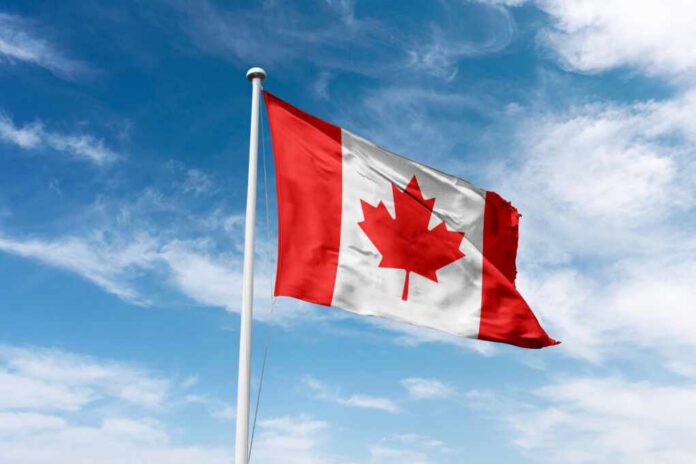
China’s Foreign Ministry has announced that Foreign Minister Wang Yi will visit Canada from May 28 to May 30 at the invitation of his Canadian counterpart, Foreign Minister Anita Anand. [1][3] The trip follows months of warmer language from Beijing about ties with Ottawa and is explicitly framed as part of building a “new type of strategic partnership” between the two countries. [2] The announcement confirms the dates and diplomatic goals, but it does not list any specific agreements that will be signed during the visit. [1][3]
Reuters-distributed reporting on the ministry’s statement underscores that the visit is formally initiated by an invitation from the Canadian side, signaling that Ottawa is not just tolerating, but actively engaging this reset narrative. [1][3] For governments, that kind of framing matters: it lets Beijing show that Western partners are coming back to the table, and it lets Ottawa claim it is managing a difficult relationship through dialogue. What is missing so far is any clear, public description of what Canadians or Chinese citizens will tangibly gain from the meetings. [1][2][3]
From “turning point” to “new partnership”: how the story has been framed
The upcoming trip does not come out of nowhere. On January 15, 2026, Wang Yi met Anita Anand in a bilateral session where both sides, at least in the Chinese transcript, called the relationship a “turning point” toward improvement and development. [2] Wang highlighted that Prime Minister Mark Carney’s visit to China was the first by a Canadian leader in eight years and said it “signals a turning point” with symbolic importance. [2] He argued that China and Canada now have the chance to move the relationship onto a more stable, cooperative path after years of strain. [2]
In that same record, Wang Yi laid out Beijing’s stated objectives: China, he said, is “ready to strengthen communication, enhance mutual trust, eliminate interference, and deepen cooperation with Canada.” [2] The language sounds constructive, particularly the promise to “eliminate interference,” which clearly gestures at the political storms over foreign meddling that have rattled Canadian politics in recent years. Anand is quoted as responding positively, saying the new Canadian government “attaches great importance to its relations with China” and describing ties as having “reached a turning point towards improvement and development.” [2] That set the rhetorical stage for this May visit. [2]
Why this matters for ordinary Canadians and Americans watching from afar
Behind the warm words sits a harder question familiar to many Americans and Canadians alike: when leaders talk about “strategic partnerships,” whose interests are really being advanced? The January transcript shows talk of more communication, mutual trust, and multilateral cooperation, but it does not show concrete fixes to the problems that anger voters, such as trade distortions, interference allegations, or human-rights concerns. [2] The May trip announcement likewise confirms travel and upbeat intentions without detailing what policy tradeoffs either government is prepared to make. [1][2][3]
For citizens already skeptical that global deals mostly serve political and corporate elites, this pattern is familiar. High-level visits are carefully choreographed, press language is optimistic, and yet the practical pressures on families—rising costs, insecure jobs, and a sense that big decisions are made in back rooms—rarely ease. The danger is that such diplomacy becomes another example of governments presenting symbolic “turning points” while leaving structural disputes largely untouched, feeding the belief that the system protects its own more than it protects ordinary people. [1][2]
Signals, limits, and what to watch next
The limited public record also highlights a deeper structural issue: most of what the world sees first comes from Beijing’s Foreign Ministry, not from matching Canadian documentation. [1][2][3] When only one side publishes detailed readouts and the other remains vague or slow to speak, the more organized narrative tends to dominate headlines and social media. That asymmetry is not evidence of a conspiracy by itself, but it does make it harder for citizens to know whether their own government shares the same enthusiasm, or is quietly pushing back behind closed doors. [1][2]
China's top diplomat Wang Yi will visit Canada next week, seeking to build ‘a new type of strategic partnership’, China's foreign minister spokesperson Guo Jiakun has said.
Foreign Minister Wang Yi will visit Canada from May 28 to 30. This will be the first visit by a Chinese… pic.twitter.com/ZosjSf2geg
— CGTN Europe (@CGTNEurope) May 22, 2026
For now, the facts are straightforward but incomplete: a confirmed May 28–30 visit, an earlier bilateral meeting that both sides described as a “turning point,” and Chinese claims of a coming “new type of strategic partnership.” [1][2][3] What is missing are independent Canadian readouts, detailed lists of deliverables, and any proof that core disputes are being resolved rather than papered over. Until those appear, it is reasonable for people on both the left and the right to keep asking whether these resets are about strengthening their countries—or about giving political and bureaucratic elites one more tightly scripted photo opportunity. [1][2][3]
Sources:
[1] Web – Foreign Minister Wang Yi to visit Canada May 28-30 – MarketScreener
[2] Web – Wang Yi Meets with Canadian Foreign Minister Anita Anand
[3] Web – RPT-China foreign minister to chair UN Security Council meeting in …