
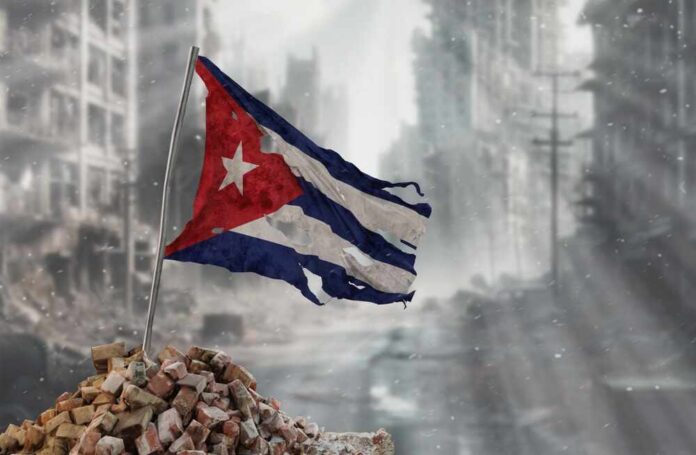
Signals of possible U.S. military action against Cuba are mounting, yet the government’s paper trail remains conspicuously thin.
Story Snapshot
- Reports say the White House told the Pentagon to be ready for options on Cuba, with planning “quietly ramping up.” [1]
- The Senate rejected an effort to require congressional authorization before any attack on Cuba, spotlighting weak guardrails. [2]
- Analysts argue Cuba poses little direct military threat to the United States, challenging the case for force. [3]
- Evidence shows preparations and rhetoric, but no signed order or official document authorizing an attack. [1][2]
What New Reporting Says About Planning
Responsible Statecraft reported that the White House directed the Pentagon to be ready for military options regarding Cuba, citing a USA Today line that planning for a possible Pentagon-led operation is “quietly ramping up.” These reports describe escalating threats and readiness activity but stop short of confirming an order to strike. The accounts point to contingency planning that presidents often request, while leaving unresolved whether officials intend a blockade, limited strikes, or other forms of force. [1]
The gap between planning and policy decision remains central. The reporting does not include a signed presidential order, a formal National Security Council directive, or a Department of Defense execution plan. Without those documents, the story supports plausibility—not imminence. That distinction matters for the public, Congress, and allies evaluating risk. It also reinforces how easily routine military preparations can be portrayed as a countdown to conflict when official confirmation is absent. [1]
Congress Tests Its Leverage—and Comes Up Short
CBS Austin reported that the Senate rejected an attempt to prevent the president from using the military in Cuba without congressional authorization. The failed motion suggests a significant faction believed unilateral action was plausible enough to merit preemptive guardrails. The vote’s outcome also underscores the weakness of legislative friction during a period when one party controls the White House and both chambers, reducing the likelihood that Congress can force deliberation before force is used. [2]
That result feeds bipartisan unease about accountability. Voters across the spectrum see a pattern where officials expand executive war-making while Congress sidesteps tough debates. The appearance of a potential operation advancing on executive momentum alone—without transparent briefings or a clear public rationale—aligns with frustrations that Washington’s incentives reward speed over scrutiny. It also recalls episodes when force was employed first and justified later, with long-tail costs carried by taxpayers and service members. [2]
Strategic Rationale, Risk, and Historical Memory
Defense Priorities argues Cuba represents a limited strategic threat, describing the island as an annoyance that has never possessed the capability to directly threaten the United States. That assessment challenges the logic of offensive action and raises classic questions: what vital interest would be advanced, what end state is achievable, and how would escalation be contained? Absent clear answers, intervention could produce diplomatic fallout and unintended consequences that outweigh any short-term signaling benefit. [3]
CUBA ACCUSES U.S. OF BUILDING CASE FOR MILITARY ACTION
Cuba claims Washington is creating a “fraudulent case” for aggression after reports alleged Havana acquired attack drones.
The accusations come as the Trump administration expands sanctions and Cuba faces worsening fuel… pic.twitter.com/CLqY5C7isf
— NewsForce (@Newsforce) May 19, 2026
Historical precedent shapes today’s readings. Responsible Statecraft points to the Central Intelligence Agency-led Bay of Pigs invasion as a cautionary tale of covert action spiraling into embarrassment and backlash. That memory cuts both ways: hawks cite past failures as lessons to do planning better; skeptics cite them to avoid repeating strategic overreach. Either way, the precedent heightens sensitivity to ambiguous build-ups and increases pressure for documented justification before the country crosses a threshold toward force. [1]
What We Know—and What We Do Not
The public record supports three firm takeaways. First, planning and readiness for Cuba contingencies have been described by reputable outlets. Second, a Senate effort to reassert war-powers limits failed, leaving executive discretion largely intact. Third, there is no publicly available order authorizing an attack. Until documents emerge—such as tasking orders, force-posture changes specific to Cuba, or formal notifications—claims of imminence remain unproven and should be evaluated with disciplined skepticism. [1][2]
Sources:
[1] Web – 65 yrs after first one, Trump’s ‘Bay of Pigs’ may take many forms
[2] Web – Senate rejects attempt to prevent Trump military action in Cuba
[3] Web – Move on from Washington’s outdated Cuba policy – Defense Priorities