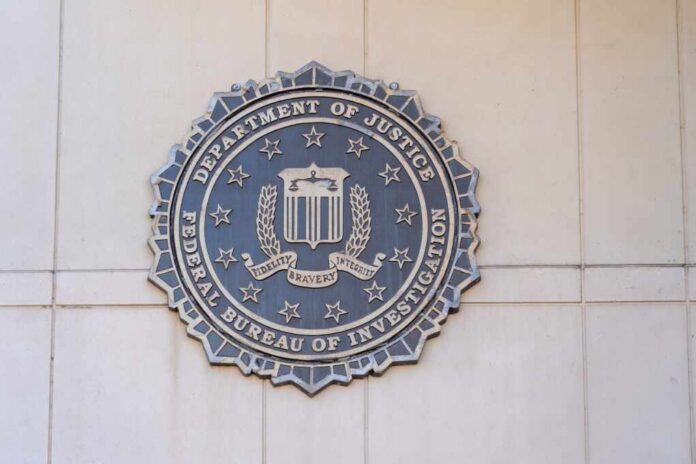
An FBI raid targeting a powerful Virginia Democrat is raising fresh questions about whether political elites play by a different set of rules—and who gets held accountable when protests turn destructive.
Quick Take
- The FBI is reportedly raiding the office of Virginia State Sen. Louise Lucas, the Senate’s president pro tempore and top-ranking Democrat.
- The raid comes years after a 2020 Portsmouth Confederate monument protest that led to felony charges later dismissed.
- Public reporting has not clarified what federal statutes, evidence, or targets are driving the current FBI action.
- The case revives debate over protest-related accountability, legislative privilege protections, and politicization claims from both sides.
FBI raid puts Virginia’s top Senate Democrat under a national spotlight
Federal agents are reportedly conducting a raid at the office of Virginia Democratic State Sen. Louise Lucas of Portsmouth, who has served since 1992 and holds the influential post of Senate president pro tempore. The immediate facts available publicly remain limited: reports describe an FBI action underway, but do not specify what materials are being sought or what potential charges are being investigated. That uncertainty is exactly why the development is politically combustible.
For many voters, especially those already skeptical of government institutions, an FBI raid involving an entrenched political power broker feels like a stress test: either the system applies the law evenly, or it doesn’t. Conservatives tend to demand equal accountability for public officials, while many liberals worry about selective enforcement against activists and allies. At this stage, the evidence base available in public reporting is too thin to confirm either narrative.
The 2020 protest incident that sparked earlier state charges
The new federal action reopens attention to a June 2020 protest in Portsmouth involving a Confederate monument. During that event, a statue of a Confederate soldier was pulled down, and a demonstrator was critically injured during the statue’s removal. The incident also caused more than $1,000 in damage to the monument. Those facts mattered in 2020 because they framed the line between protected protest and conduct that can trigger serious criminal penalties.
After the protest, Portsmouth Police Chief Angela Greene filed charges against Lucas and seven others, including leaders of the Portsmouth NAACP, a local school board member, and members of the public defender’s office. Reported charges included conspiracy to commit a felony and felony injury to a monument. A central controversy from the outset was that the charges were filed without approval from the local Commonwealth’s Attorney, who reportedly declined to pursue the case at that time.
Dismissed charges, lingering questions, and what the FBI may be looking at now
State charges against Lucas were later dismissed, and public summaries have also noted uncertainty about whether Lucas personally participated in pulling down the statue. That history is important because it shapes how the public reads today’s FBI raid: if state charges fell apart, why is the federal government involved now? Current reporting in the provided research does not identify the specific federal theory, timeline, or any newly surfaced evidence.
Federal jurisdiction typically implies potential violations that go beyond a local property-damage case, but the available information does not confirm what statutes—if any—are at issue. That gap is more than a detail; it determines whether the raid is a routine evidence-gathering step or something broader. Until affidavits, warrants, or official statements become public, claims of either “political retaliation” or “long-overdue accountability” are not verifiable from the record provided.
Legislative privilege, enforcement timing, and public trust in institutions
Virginia’s Constitution contains protections limiting arrests of General Assembly members during legislative sessions and for 15 days before sessions, with exceptions including treason, felony, or breach of the peace. In 2020, Democratic lawmakers pointed to those protections as potentially implicated by the timing of Lucas’s earlier arrest, and then-Gov. Ralph Northam echoed concerns. The new FBI action revives those legal and procedural debates, even if the federal angle changes the analysis.
Politically, the bigger story may be what this moment signals about the country’s sliding confidence in governance. Many Americans—right and left—believe “insiders” get shielded while ordinary citizens face swift consequences. Others fear law enforcement can be used to chill activism. With key facts about the FBI raid still unclear, the most responsible takeaway is narrow: high-level political power does not prevent scrutiny, but transparency and due process will determine whether scrutiny restores trust or deepens cynicism.
Sources:
virginia-state-senator-naacp-leaders-charged-felony-injury-confederate-statue
louise-lucas-virginia-senator-charged-damaging-confederate-monument
top-virginia-democrat-defends-candidate-who-streamed-sex-acts-husband-online-tips-fight-back