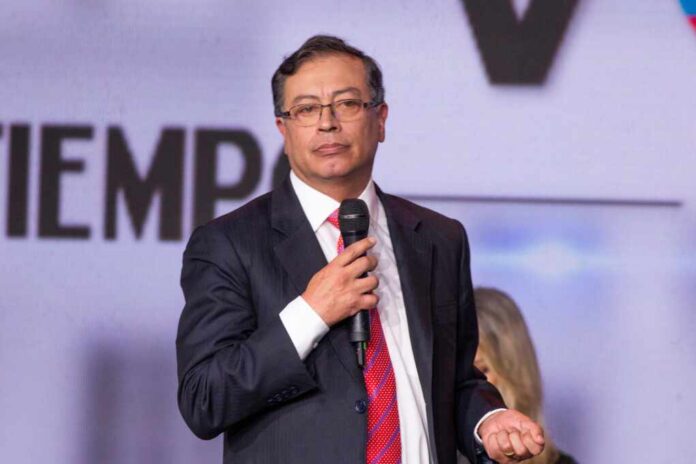
The United States government, under the Trump administration, has announced sanctions against Colombian President Gustavo Petro, his wife Veronica Alcocer, son Nicolas Petro, and a close associate. This action, taken in October 2025, involves freezing their assets in the U.S. and prohibiting financial transactions with American entities, citing alleged involvement in drug trafficking. This marks the first instance of the U.S. imposing such sanctions on a sitting Colombian president.
Story Highlights
- The Trump administration has sanctioned Colombian President Gustavo Petro, his family, and an associate for alleged drug trafficking.
- The sanctions freeze U.S. assets and ban transactions, escalating tensions between the two nations.
- The move follows arrests and controversial policies by President Petro that critics claim have benefited cartels.
- The U.S. emphasizes a zero-tolerance policy for official involvement in the drug trade, potentially impacting aid and trade.
The Treasury Department justified these measures under Executive Order 14059, which targets individuals involved in the global illicit drug trade. This decision sets a precedent in the international effort against narcotics and corruption.
President Gustavo Petro’s term, which began in 2022, has included a “total peace” plan aimed at negotiating with armed groups. This plan has drawn criticism for allegedly empowering narco-terrorist organizations and contributing to increased coca cultivation and cocaine production. In 2023, Nicolas Petro was arrested on charges of money laundering and illicit enrichment linked to drug trafficking. Additionally, in 2024, President Petro reportedly shared confidential anti-money laundering data with unauthorized parties, leading to Colombia’s suspension from The Egmont Group, an international financial watchdog. These events have been subject to scrutiny by U.S. officials and the international community.
US sanctions Colombian president and family over drug trafficking allegations https://t.co/aehwpYwJkj
— Fox News Politics (@foxnewspolitics) October 25, 2025
The Trump administration’s decision signifies a shift in U.S. policy toward Colombia, a key regional ally. U.S. officials have expressed concern regarding the increase in cocaine originating from Colombia and entering American communities, often through Mexican cartels. Treasury Secretary Scott Bessent stated that Petro “allowed drug cartels to flourish and refused to stop this activity.” The State Department supported the action, emphasizing the importance of accountability: “There must be no impunity for drug traffickers or acts of terrorism or violence by criminal armed groups.” The sanctions were initiated after the U.S. determined on September 15, 2025, that Colombia was “failing demonstrably” in its counternarcotics responsibilities.
This approach aligns with President Trump’s stated commitment to addressing illegal narcotics and holding foreign leaders accountable for enabling criminal enterprises. The administration has also deployed an aircraft carrier strike group to Latin American waters.
The sanctions have resulted in immediate diplomatic reactions. President Petro characterized the sanctions as “paradoxical and politically motivated,” referencing Colombia’s historical cooperation with the U.S. in anti-drug efforts. Opinions among Colombian opposition leaders and civil society are divided, with some supporting U.S. pressure for accountability and others expressing concerns about national sovereignty. The sanctions pose a risk to the alliance that has been central to regional security and anti-narcotics operations.
Colombia now faces potential reductions in U.S. aid, disruptions to financial transactions, and possible isolation from international markets if sanctions are expanded. This situation could potentially strengthen criminal organizations and further polarize Colombian society. Human rights organizations have voiced concerns about the impact on civilians and the risk of increased violence.
The U.S. action targeting individuals within Petro’s administration represents a significant development in hemispheric policy. The message conveyed to other nations is that official involvement in the drug trade will not be tolerated, irrespective of political status or historical alliances. As the sanctions are implemented, observers will monitor whether this action affects the flow of narcotics or alters criminal activities. For conservative Americans, the Trump administration’s stance reinforces a commitment to the rule of law, border security, and addressing the impact of illegal drugs and corruption.
The full effects of these sanctions are expected to unfold over time, with the action taken in October 2025 marking a new phase in U.S. foreign and counternarcotics policy. The administration indicates a continued focus on American interests and sovereignty, with implications for both allies and adversaries regarding threats to U.S. security and values.
Watch the report: U.S. sanctions Colombian President Gustavo Petro
Sources:
CBS News: US Trump sanctions Colombia President Gustavo Petro
U.S. Treasury Department: Sanctions Announcement
U.S. State Department: Counternarcotics Efforts and Sanctions