Russia’s storied space program faces a critical turning point as launch pad damage at the historic Baikonur Cosmodrome threatens to cripple its ability to conduct manned missions. This catastrophic failure exposes a deeper, systemic crisis stemming from decades of underinvestment, mismanagement, and deteriorating infrastructure, raising serious questions about the nation’s future in human spaceflight.
Story Snapshot
- Critical damage to Baikonur’s primary Soyuz launch infrastructure threatens Russia’s manned spaceflight capabilities
- The mishap highlights systemic problems plaguing Russia’s once-dominant space program
- America’s space independence under Trump becomes more crucial as Russia’s reliability crumbles
- Decades of underinvestment and poor maintenance have left Russia’s space infrastructure vulnerable
Launch Pad Damage Cripples Russian Operations
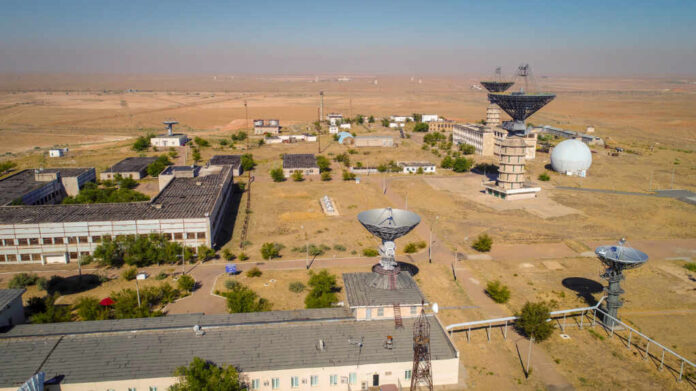
A catastrophic failure at the Baikonur Cosmodrome has severely damaged the facility’s primary launch infrastructure, potentially leaving Russia without reliable access to space for manned missions. The incident damaged critical support structures, including the service cabin essential for Soyuz rocket operations. This represents a devastating blow to Russia’s space capabilities, as Baikonur serves as its primary launch facility for human spaceflight missions to the International Space Station.
For the first time in 60 years, Russia has lost the ability to launch humans into space.
During the launch of the Soyuz MS-28, the service cabin beneath Pad 31 at Baikonur collapsed.
Repairs may take 2 years. pic.twitter.com/77jO1RvpQQ
— Mr. Blacksmith (@Mr_Blacksmith_A) November 27, 2025
Systematic Deterioration of Russian Space Infrastructure
The launch site mishap exposes deeper structural problems within Russia’s space program that have been building for years. Once the world’s pioneering space power, achieving historic firsts like Sputnik and Gagarin’s flight, Russia’s program now struggles with aging infrastructure and insufficient funding. The Soyuz system, introduced in 1967 and still in use today, represents both the program’s historical success and its current stagnation, relying on decades-old technology without meaningful modernization.
Russian space officials face mounting pressure to address not only the immediate damage but also the underlying issues that made such a catastrophic failure possible. The incident highlights how years of economic sanctions, reduced budgets, and brain drain have weakened what was once considered the most reliable space transportation system in the world.
America’s Strategic Space Independence Validated
This Russian space crisis vindicates President Trump’s emphasis on American space dominance and self-reliance. The Trump administration’s support for SpaceX and other private space companies has proven prescient, as America no longer depends on unreliable Russian systems for critical space operations. While previous administrations allowed America to become dependent on Russian rockets, Trump’s vision of space independence now shields our nation from the consequences of Russia’s failing infrastructure.
The mishap serves as a stark reminder that relying on foreign powers for critical national capabilities compromises American security and technological leadership. As Russia’s space program continues its decline, America’s renewed focus on domestic space capabilities under conservative leadership demonstrates the wisdom of prioritizing national self-sufficiency over globalist cooperation with unreliable partners.
Watch the report: Russia accidentally destroys its only way of sending astronauts to space
Sources:
Launch pad damaged as Russian rocket blasts off for space station, agency says | CNN
Russian space agency says cosmodrome damaged after joint launch with US | Space News | Al Jazeera