

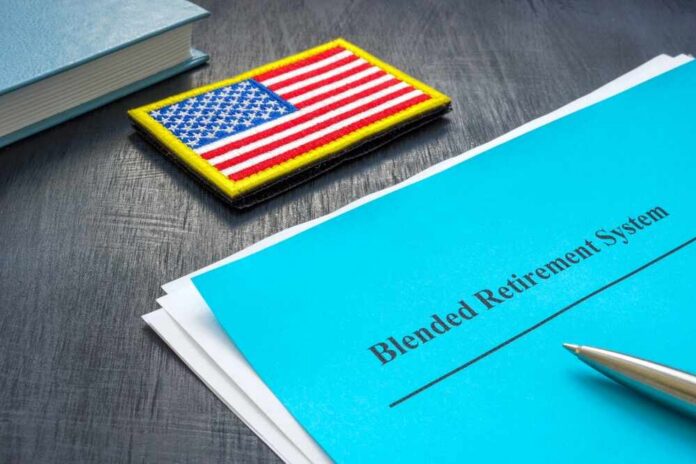
U.S. Army soldiers face slashed Continuation Pay multipliers in 2026, capping mid-career bonuses and sparking frustration among those who served expecting bigger rewards for their commitment.
Story Highlights
- Eligibility for Continuation Pay shifts to 7 years of service from 8, effective January 1, 2026.
- Multipliers standardized at 2.5x monthly basic pay for active/AGR soldiers, down from prior highs of 13x.
- Reserve/National Guard soldiers get 0.5x standard, up to 2.5x for high mobilization, versus previous 6x max.
- Changes simplify administration but limit upside, drawing criticism from service member advocates.
Changes to Blended Retirement System Continuation Pay
The Department of the Army issued a memo announcing modifications to the Blended Retirement System (BRS) Continuation Pay benefit. Effective January 1, 2026, soldiers become eligible after 7 years of service, reduced from 8 years. This one-time mid-career incentive requires a 4-year service commitment. MILPER Message 25-329 details the updates, aiming to boost retention through earlier access. The Blended Retirement System, launched in 2018, combines traditional pensions with Thrift Savings Plan matching to address recruiting challenges.
Standardized Multipliers Cap Payouts
Active Component and Active Guard Reserve soldiers receive 2.5 times their monthly basic pay. Reserve and National Guard soldiers get 0.5 times standard, with exceptions up to 2.5 times for those with 270+ mobilization days. Previously, multipliers ranged from 2.5 to 13 times for active duty and 0.5 to 6 times for reserves. This standardization simplifies budgeting for the Army but eliminates higher payouts for high performers. Service members who anticipated larger bonuses now face reduced financial incentives.
Stakeholder Reactions and Retention Goals
The U.S. Army Human Resources Command processes applications, while the Enlisted Association of the National Guard of the United States (EANGUS) warns of a potential window shrinkage to 7-10 years. Active soldiers value predictable payouts for retention, yet many preferred the prior variability. Reserves seek equity, especially mobilized personnel. Department of the Army leadership emphasizes simplification. Tensions grow as retention objectives clash with lower caps, echoing broader frustrations with federal promises to those who serve.
These changes occur amid 2026 fiscal adjustments, including a 3.8% base pay raise, 4.2% Basic Allowance for Housing increase, and 2.8% retiree Cost of Living Adjustment effective December 1, 2025. The sanctuary program protects soldiers nearing 20 years. First-wave BRS retirees in 2026 grapple with lump-sum elections, taking 25-50% upfront but facing reduced payments until age 67. Military families benefit from Family Separation Allowance hikes over $250.
Implications for Soldiers and National Security
Earlier eligibility may retain mid-career talent, but standardized lower multipliers disappoint those expecting more and uniform amounts aid fiscal planning across the Department of Defense, potentially influencing Navy and Air Force policies. BRS enhances Thrift Savings Plan integration for post-service stability. Critics like EANGUS highlight risks for reserves. In an era of government overreach and elite priorities, these tweaks underscore how bureaucrats in Washington adjust benefits without fully honoring service members’ sacrifices. Conservatives see this as another erosion of earned rewards, fueling distrust in federal commitments amid President Trump’s push for America First military strength. Both sides lament a system favoring administrators over patriots chasing the American Dream through honorable service.
The U.S. Army Just Dropped New Retirement Rules And Not Everyone Will Be Happyhttps://t.co/GeoskjzItp
— 19FortyFive (@19_forty_five) April 29, 2026
Expert analyses from First Command urge tax-aware lump-sum planning for 2026 retirees. USAA Educational Foundation outlines 0-50% options. MyArmyBenefits promotes equity through uniformity, though mobilized reserves gain parity. Diverse views split: proponents praise retention boosts, opponents decry lost variability. Official Army documents confirm no broader retirement overhauls, focusing on BRS tweaks. Soldiers must consult Retirement Services Officers for personalized guidance, including Terminal Activity options up to 30 days.
Sources:
U.S. Army Retirement Planning Guide 2026
Changes to Continuation Pay in 2026
The Biggest Question Facing Many Military Retirees in 2026
What’s New for Military Benefits 2026
BRS Continuation Pay Changes Coming in 2026