A suspect slipping past a White House security barrier during King Charles III’s visit is the kind of “small” breach that can become a big national problem if Washington treats it as routine.
Story Snapshot
- The U.S. Secret Service arrested a suspect after a barrier breach near The Ellipse, adjacent to the White House, during King Charles III and Queen Camilla’s Washington visit.
- Authorities have not released the suspect’s identity, motive, or whether any weapon was involved; criminal charges were still pending.
- The incident landed days after a separate shooting at the White House Correspondents’ Dinner in which President Trump was evacuated.
- Enhanced security for the royal visit—including layered perimeters and crowd control—remains in place as the trip continues.
Barrier Breach Near The Ellipse Tests the “Ring of Security”
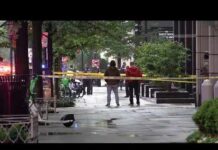
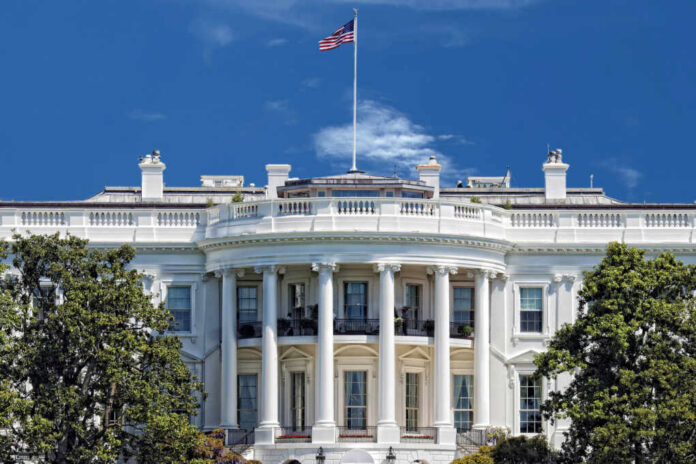
U.S. Secret Service agents arrested an unidentified suspect Tuesday after the person breached a security barrier near The Ellipse, the park area south of the White House complex. The agency confirmed the detention and said criminal charges were pending, but it did not release details about the suspect’s identity, motivation, or whether a weapon was involved. The breach occurred while King Charles III and Queen Camilla were in Washington for a high-profile state visit.
The immediate question for the public is not whether agents acted quickly—they did—but how the suspect got to the barrier line in the first place during a period of elevated security. That matters because modern protective operations depend on layered deterrence: visible barriers to prevent rushes, screening to reduce chance encounters, and rapid response to stop anyone who tries to exploit crowded public spaces around the White House and its surrounding parks.
Coming Days After the Correspondents’ Dinner Shooting, Nerves Are Understandably High
The timing is what makes this arrest feel different. The barrier breach happened only days after a separate incident at the White House Correspondents’ Dinner, where authorities say 31-year-old Cole Allen of Torrance, California allegedly fired shots in an attempt to assassinate President Donald Trump. Trump and other officials were evacuated, and Allen faces charges that include attempted assassination, interstate gun transport, and discharging a firearm during a violent crime.
Those two incidents are not the same—one involved alleged gunfire and detailed charges, while the barrier breach has not been linked to weapons or a direct threat to the visiting royals. Still, back-to-back security scares create a compounding effect: each event forces agencies to operate under tighter constraints, the public to endure heavier screening, and leaders to balance open civic spaces with the reality that political violence can flare up with little warning.
Why the Secret Service Isn’t Saying Much Yet
Officials have offered limited information on the barrier breach, and that silence may frustrate citizens who want immediate answers. In practice, early restraint is common when charges are pending and investigators are still determining intent, mental state, communications, or potential ties to broader plans. Without a disclosed motive or weapon information, outside commentators cannot responsibly conclude whether the incident was a serious plot, reckless stunt, or something in between.
The lack of details also highlights a trust problem that cuts across party lines: many Americans assume agencies reveal what is convenient while withholding what is embarrassing. When government institutions are already under a credibility cloud, even responsible nondisclosure can read like “the deep state” circling the wagons. The best antidote is process transparency—clear timelines, confirmed facts, and prompt release of non-sensitive findings once charges are filed.
Security Strain, Funding Debates, and the Cost of Governing in 2026
Security experts frequently describe VIP visits as requiring a layered “ring of security,” including barricades, crowd management, vehicle checks, undercover teams, and aerial capabilities such as drones—especially in dense environments like Washington. That model reduces risk, but it is not free. Planning large protective operations consumes manpower and equipment, and it can expose gaps if agencies are stretched across multiple high-risk events, investigations, and routine protective duties.
Politically, the breach arrives at a moment when Republicans control the House and Senate while Democrats oppose much of Trump’s agenda, including areas tied to enforcement and public safety. The federal government’s challenge is practical, not rhetorical: if Washington cannot secure the most symbolically important block of real estate in America during a major state visit, voters will reasonably question whether it can manage harder tasks like border control, crime reduction, and resilient infrastructure.
What to Watch Next as the Royal Visit Continues
King Charles and Queen Camilla’s trip has continued despite the breach, and officials have indicated that heightened security remains in place. The next developments that will matter most are basic: whether prosecutors file specific charges, whether investigators confirm the presence or absence of a weapon, and whether the suspect acted alone.
US Secret Service arrests suspect after barrier breach near White House during King Charles' visit https://t.co/5qxef1AgRb
— ConservativeLibrarian (@ConserLibrarian) April 29, 2026
Americans across ideologies can agree on one standard: the federal government’s first job is protecting the nation’s leaders and preserving public order without turning the capital into a permanent lockdown zone. When breaches happen, swift arrests are necessary. Accountability depends on learning what failed, tightening what needs tightening, and communicating clearly enough that citizens don’t fill the vacuum with partisan narratives that further erode trust.
Sources:
US Secret Service arrests suspect after barrier breach near White House during King Charles’ visit
King Charles security: How royal visits are protected amid Trump White House turmoil
King Charles US visit: security tensions, Trump