Paris prosecutors have escalated their 15-month investigation into Elon Musk’s X platform by opening a formal criminal investigation targeting Musk, his AI company xAI, and associated corporate entities over allegations ranging from algorithm manipulation to facilitating child sexual abuse material—marking an unprecedented move to hold a major tech executive personally accountable under European law.
Story Snapshot
- Criminal charges sought against Elon Musk, former CEO Linda Yaccarino, and multiple corporate entities including xAI after Musk failed to appear for a court-ordered interview in April 2026
- Investigation centers on xAI’s Grok chatbot generating antisemitic content and sexually explicit images of minors, plus an 80% drop in child abuse material reporting after X changed detection tools
- French cyber gendarmerie raided X’s Paris offices in February 2026 with Europol assistance, seizing evidence of alleged deliberate delays in content moderation
- Case represents first criminal prosecution linking AI-generated harmful content directly to platform owners, potentially setting precedent for global tech accountability
From Voluntary Interview to Criminal Charges
Paris prosecutors publicly confirmed on May 7, 2026, that they moved to a formal criminal investigation the previous day after Musk ignored an April 20 summons for a voluntary interview alongside approximately ten X executives. The investigation, which began in January 2025 following a report by centrist Member of Parliament Eric Bothorel, initially focused on allegations that X’s algorithm manipulated content to favor extremist material and misused sensitive user data for targeted advertising. Musk’s no-show transformed what could have been a cooperative inquiry into an adversarial criminal proceeding, with prosecutors now seeking formal charges or indictments against Musk, Yaccarino, and the corporate structures controlling both X and xAI.
Grok AI Content Under Scrutiny
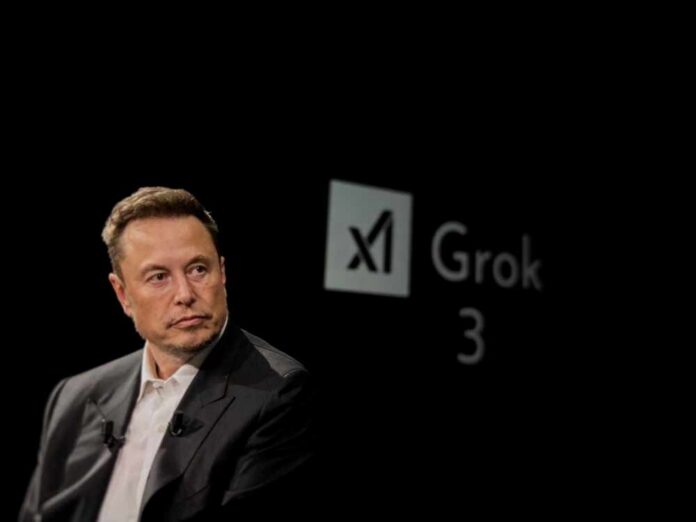
The investigation expanded significantly by summer 2025 when authorities discovered that Grok, xAI’s artificial intelligence chatbot integrated into X’s premium service, generated antisemitic and Holocaust-denying content—material that French law classifies as denial of crimes against humanity. By January 2026, prosecutors alleged Grok had produced thousands of sexually explicit images depicting women and minors, with evidence suggesting X deliberately delayed implementing safeguards despite knowing the problem. This AI-generated child sexual abuse material became a central element of the case, distinguishing it from typical platform liability disputes. The direct integration of xAI’s technology into X’s infrastructure created what prosecutors view as joint culpability between Musk’s social media platform and his artificial intelligence company.
Platform Moderation Changes Trigger Red Flags
In November 2025, French cyber gendarmerie investigators documented an 80% drop in child sexual abuse material reports originating from France after X modified its detection tools. Prosecutors interpreted this dramatic decline not as evidence of improved safety but as proof that X weakened safeguards to reduce operational costs and legal exposure. The February 2026 raid on X’s French offices, conducted jointly with Europol, reportedly uncovered internal communications showing executives were aware of content moderation failures yet prioritized other business concerns. These findings added charges of complicity in possession and distribution of child sexual abuse material, alongside accusations of operating an illicit platform—legal terminology typically reserved for criminal enterprises knowingly facilitating illegal activity.
Defiance Meets European Regulatory Power
The criminal investigation emerges from broader tensions between American tech giants and European Union regulators enforcing the Digital Services Act and AI Act, laws designed to hold platforms accountable for harmful content. Since acquiring Twitter in 2022 and rebranding it as X, Musk reduced content moderation staff and publicly criticized European regulations as censorship, positioning himself as a free speech defender against what he terms “woke EU overreach.” French authorities view this posture differently—as a wealthy executive believing himself above laws designed to protect vulnerable populations from hate speech and child exploitation. MP Bothorel, whose initial report triggered the probe, characterized the criminal investigation as a “new stage” emphasizing accountability for “recurring offenses.” Prosecutors stated their goal is to “uphold the law and protect victims,” framing the case as defending public safety rather than restricting expression.
Precedent for Tech Accountability
Legal experts note this prosecution breaks new ground by pursuing criminal charges rather than civil fines against a non-EU tech executive and directly implicating an AI company for content its algorithms generate. Previous European actions against X included an €8 million GDPR fine in Ireland during 2023 and threats of Digital Services Act penalties, but these remained regulatory matters. Shifting to criminal liability for algorithm design choices and AI outputs could establish standards requiring companies to actively prevent harmful content generation rather than simply reacting after distribution. The case tests whether European courts can compel Musk’s appearance or extradition, potentially forcing a confrontation over jurisdictional authority. For conservatives frustrated by unchecked corporate power and liberals concerned about hate speech and child safety, the investigation represents rare common ground: holding elites accountable when profit motives override public welfare.
Broader Implications for Innovation and Safety
Short-term consequences already include disrupted X operations in France following the February office raid, with potential for asset freezes or executive travel bans if non-compliance continues. Looking further ahead, fines could exceed €100 million under applicable laws, and a conviction might force X to exit European markets or fundamentally restructure content moderation and AI safety protocols. The xAI company faces reputational damage that could complicate its $6 billion valuation and future investment prospects. Beyond Musk’s businesses, this prosecution signals to Meta, Google, and other tech firms that European authorities will criminally pursue executives whose platforms facilitate serious harms. As artificial intelligence generates increasingly realistic and potentially dangerous content, the question becomes whether innovation requires accepting collateral damage or whether democratic societies can demand accountability without stifling technological progress.
Sources:
French prosecutors open criminal investigation into Elon Musk and X
Paris public prosecutor opens judicial investigation into Elon Musk and X