Keir Starmer’s vow to block foreign “agitators” from entering the UK for a controversial Tommy Robinson rally is raising a bigger question: when governments expand border powers to stop “extremism,” who decides what counts as unacceptable speech?
Story Snapshot
- UK Prime Minister Keir Starmer said authorities would prevent foreign “far-right agitators” from traveling to Britain ahead of Tommy Robinson’s “Unite the Kingdom” rally in London.
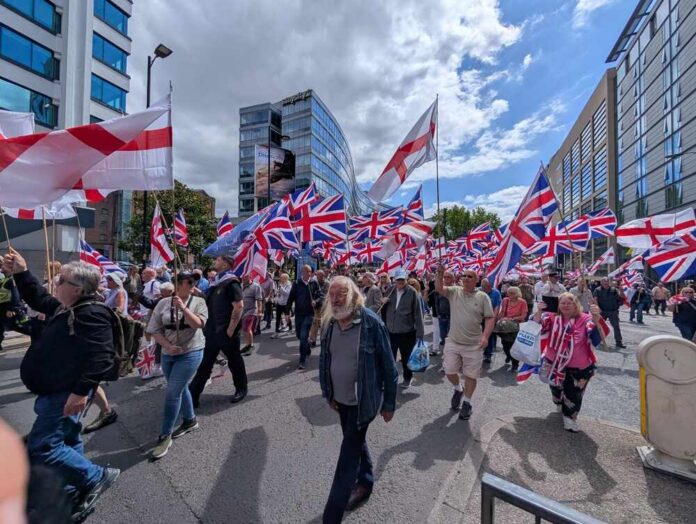
- Reports around the event described huge crowds, major policing operations, arrests, and clashes alongside counter-protests.
- Elon Musk appeared remotely during the rally, fueling a free-speech and foreign-influence dispute that spilled into calls for sanctions.
- Officials and critics offered competing narratives: public safety and anti-extremism versus censorship and a growing “security state” posture.
Starmer’s border vow puts protest politics at the center of UK governance
Keir Starmer publicly pledged to stop foreign supporters described as “far-right agitators” from entering the UK ahead of Tommy Robinson’s planned “Unite the Kingdom” demonstration in London. Reporting tied the vow to government messaging that framed the rally as divisive and potentially dangerous, with officials emphasizing prevention over reaction.
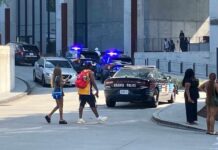
Mark Rowley, the Metropolitan Police Commissioner, and Home Secretary Shabana Mahmood were cited in connection with the policing and enforcement posture around the event, which included a major security deployment. Reports described more than 1,000 officers involved as authorities tried to prevent clashes between demonstrators and counter-protesters. Even in countries with a long tradition of protest rights, that level of mobilization signals the state expects volatility and is preparing to manage public order aggressively.
The rally’s size, arrests, and counter-protests underline a polarized immigration debate
Coverage of the London march described extremely large turnout—figures varied by outlet—with arrests and episodes of violence reported. Counter-demonstrations also took place, including organized anti-racism groups. The scale matters because it suggests Robinson’s message is drawing support beyond a narrow activist base, at least for a day, and it forces the Labour government to address immigration frustrations that can’t be policed away. The research also notes uncertainty in exact crowd estimates.
Tommy Robinson, whose real name is Stephen Yaxley-Lennon, has been a fixture of UK anti-immigration activism for years, including past ties to the English Defence League. The research places this rally in the post-Brexit environment and after unrest in 2024 that intensified immigration anxieties and prompted hard policing responses. That historical context helps explain why Starmer’s team framed the moment as a test of national cohesion rather than merely another weekend demonstration in London.
Elon Musk’s video appearance turns a domestic protest into an international dispute
Elon Musk’s remote address injected global celebrity and cross-border politics into a British street protest, with reporting describing his message as confrontational toward the UK political establishment. That involvement helped trigger calls from some quarters to sanction Musk, highlighting how quickly modern activism blends with platform power and international influence. From a limited-government perspective, sanction threats over political speech—especially by a foreign private citizen—raise obvious civil-liberties concerns even when the speech is provocative.
What Americans should watch: the “extremism” label and expanding state discretion
For American readers already skeptical of elite institutions, the UK episode is a familiar warning sign: once a government normalizes preemptive restrictions under broad labels like “extremism,” enforcement often depends on political judgment rather than bright-line rules. The available reporting emphasizes Starmer’s condemnation and crackdown framing, but it also shows how quickly the debate shifts from public safety to who controls national symbols, borders, and acceptable dissent. Key details—like specific border denials—remain unclear in the research.
Keir Starmer vows to block foreign supporters from traveling to UK for Tommy Robinson's populist rallyhttps://t.co/BSJ5Govz4c
— Human Events (@HumanEvents) May 11, 2026
In practical terms, this fight is likely to harden two opposing narratives. Starmer can claim he is protecting social peace and deterring imported agitation, while Robinson and allies can point to heavy policing and border rhetoric as proof the establishment fears populist pushback. The most durable consequence may be precedent: if stopping foreign attendees becomes routine for controversial rallies, future governments could apply the same toolset to other causes, left or right, depending on who holds power.
Sources:
Independent: London protests latest
Independent: Starmer vows to block ‘far-right agitators’
WSWS: Britain’s largest far-right protest