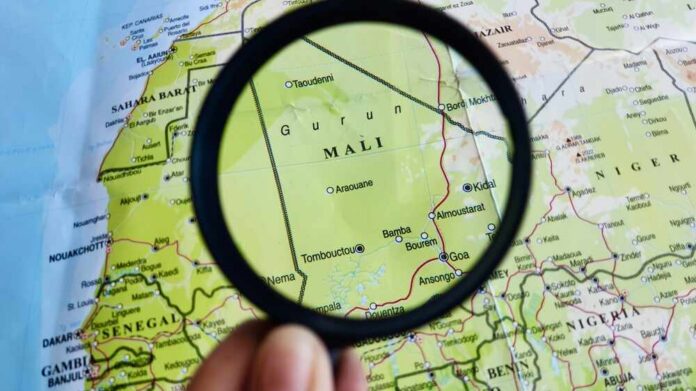
Al-Qaeda’s Mali affiliate is now using famine and fear as weapons, tightening a reported siege around a capital city of roughly four million people.
Story Snapshot
- JNIM, an Al-Qaeda-linked coalition, is reported to have mounted coordinated operations in Mali that include a prison break freeing about 70 fighters and attacks on supply routes into Bamako.
- Reports describe checkpoints and a blockade posture aimed at isolating Bamako, raising the risk of mass disruption in a country already facing a hunger emergency in parts of the Sahel.
- Mali’s military government says the situation is under control, but reporting also describes setbacks elsewhere, including loss of territory and strained security partnerships.
- Analysts have long warned that jihadist entrenchment in Mali could mimic pre-9/11 safe-haven dynamics if outside pressure fades and governance collapses.
Coordinated JNIM operations raise the stakes around Bamako
Reports from Mali describe Jama’at Nusrat al-Islam wal-Muslimin (JNIM), an Al-Qaeda-aligned network, escalating from raids and regional attacks into coordinated operations designed to choke the capital. The reported actions include burning food supply trucks headed toward Bamako and establishing checkpoints to restrict movement on key roads. A commander’s warning for civilians to flee underscores the psychological component: compel displacement, paralyze normal commerce, and force the government into reactive security operations.
A prison assault described as freeing roughly 70 high-profile fighters adds another layer of risk, because releases of trained operatives can quickly translate into additional attacks, recruitment, and intimidation campaigns. If those numbers are accurate, the operation signals planning capacity and local intelligence—two ingredients that matter more than propaganda. For ordinary Malians, the immediate question is not ideology but whether roads stay open, markets remain stocked, and families can travel without being caught at gunpoint.
Food routes and humanitarian access become pressure points
Blockade-style tactics hit civilians first, because urban centers depend on steady inflows of fuel, food, and basic goods. Reporting indicates supply routes from neighboring corridors have been targeted, while villages in regions such as Mopti have faced reduced access to assistance. In a country where hunger conditions have already been flagged by international monitors, even short disruptions can cascade into price spikes and rationing, especially for families already living close to the margin.
This is the brutal logic of insurgency in a fragile state: an armed group may not need to “take” a capital in the conventional sense to make it ungovernable. Checkpoints, intimidation, and selective attacks can produce the same political outcome—loss of confidence in the authorities and a growing sense that daily life depends on who controls the road. The longer supply lines are threatened, the more the conflict becomes a contest over basic governance, not just battlefield metrics.
Mali’s junta faces credibility tests amid shifting alliances
Mali’s transitional leader, Assimi Goïta, has publicly said the situation is under control, but parallel reporting describes retreats and territorial losses that complicate that message. One widely discussed setback involves Kidal, where Tuareg separatists and jihadist elements have exploited weakness and opportunism in the north. When a government must project strength while simultaneously responding to multiple fronts—urban pressure near the capital and strategic losses elsewhere—its credibility becomes a security variable all its own.
Warnings from the last decade look less theoretical
Analysts argued that Mali risked becoming a durable jihadist platform if militants could embed in local conflicts and outlast external interventions. A Brookings analysis from 2013 compared the danger of an Al-Qaeda foothold in Mali to the type of sanctuary the world saw before 9/11, urging stronger support for counterterrorism operations. Separate conflict tracking and reporting have also pointed to a shift toward higher-profile targets, including the capital, as part of JNIM’s evolution.
We Warned This Might Happen: Al-Qaeda’s Long-Forecasted Assault on Malihttps://t.co/h9CPPzOn0K
— PJ Media (@PJMedia_com) May 11, 2026
For Americans watching from afar, the Mali story matters because it illustrates a recurring pattern: when states lose control of territory and borders, non-state actors fill the vacuum, then leverage smuggling, ransoms, and coercion to finance expansion. Conservatives who distrust endless foreign entanglements still have a legitimate interest in preventing terror safe havens that can radiate instability into allies and trade routes. Liberals worried about humanitarian disasters are also right to focus on the civilian cost when food access becomes a battlefield tactic.
Sources:
al-qaedas-dangerous-play-in-mali/
bloody-attack-malis-capital-shows-al-qaedas-shifting-strategy-washington-post