A Canadian legislator has tabled a controversial new bill in British Columbia that aims to transform the 2022 anti-mandate Freedom Convoy protests into a taxpayer-funded statutory holiday. The proposal, introduced by opposition MLA Tara Armstrong, would write “Freedom Convoy Recognition Day” into core provincial law alongside long-standing observances, effectively forcing the province to celebrate a movement its governing party once tried to shut down. The measure has ignited a culture-war clash over COVID mandates, government overreach, and the fundamental question of who gets to define ‘freedom’ in law.
Story Highlights
- A British Columbia MLA has tabled a bill to create “Freedom Convoy Recognition Day” as a full public and statutory holiday.
- The proposal would write the convoy into core provincial laws, placing it alongside long‑standing holidays like Family Day.
- The governing NDP and Premier David Eby oppose the measure, and the bill is unlikely to advance beyond first reading.
- The fight exposes a deeper clash over COVID mandates, government overreach, and who gets to define “freedom” in law.
A Holiday To Honor The Freedom Convoy
British Columbia opposition MLA Tara Armstrong has introduced Bill M 228, the Freedom Convoy Recognition Day Act, to formally enshrine March 11 as an annual provincial holiday celebrating the 2022 Freedom Convoy protests against COVID-19 mandates. The bill would make Freedom Convoy Recognition Day both a public holiday and a statutory holiday, meaning government offices would close and many employers would be legally required to provide a paid day off. For conservatives wary of overreaching governments, the symbolism here is impossible to miss.
The bill goes beyond a feel-good declaration. It amends the province’s Employment Standards Act, Election Act, and Interpretation Act so that Freedom Convoy Recognition Day is treated like any other official holiday for wages, schedules, and legal timelines. That would place a controversial protest movement on the same legal footing as long-standing observances. Supporters see that as overdue recognition of citizens who stood up to lockdowns. Critics see it as politicizing the holiday calendar for partisan ends.
B.C. MLA wants statutory holiday to honour Freedom Convoy https://t.co/8RSAhMWbn4
— CTV News (@CTVNews) December 3, 2025
Why March 11 And Why It Matters
Armstrong chose March 11 because that is when British Columbia began rolling back key COVID-era mandates, citing high vaccination rates and fewer hospitalizations. Freedom Convoy backers argue public resistance helped force governments across Canada to loosen restrictions that had strangled small businesses, family life, and basic freedoms. The provincial government insists its decisions were driven by health data, not protest pressure. That clash over who really ended the mandates is at the core of this holiday fight.
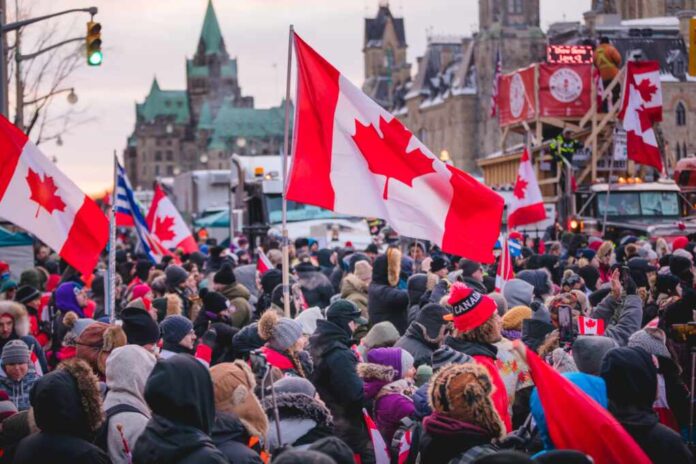
The Freedom Convoy itself began with Canadian truck drivers objecting to cross-border vaccine requirements and quickly grew into a nationwide movement against lockdowns, passports, and heavy-handed pandemic enforcement. For many on the right, it became a symbol of ordinary people pushing back after years of top-down rule by bureaucrats and global health bodies. For many on the left, it became a byword for disruption and “extremism,” justifying extraordinary crackdowns. Turning that dispute into a yearly statutory observance guarantees the argument will continue.
Armstrong, OneBC, And A Culture-War Agenda
Armstrong is house leader for the small OneBC party, having left the BC Conservatives shortly after being elected. OneBC has positioned itself as a hard-edged challenger to the province’s dominant New Democrats, introducing bills to remove Truth and Reconciliation Day as a statutory holiday, to ban Indigenous land acknowledgements, and to prohibit gender-affirming medical procedures for minors. Most of those initiatives did not even receive first reading, underscoring how little formal power the party holds in a legislature controlled by the NDP.
At the same time, Armstrong faces a recall campaign from some constituents who accuse her of stoking division and undermining Indigenous rights. That effort highlights the risk for any politician who directly confronts entrenched progressive narratives. Yet her Freedom Convoy bill did receive first reading by a lopsided vote, a procedural step that allows debate even if the government intends to kill it later. For conservative readers, this shows how even fringe parties can use legislative tools to force uncomfortable questions about mandates, protests, and the proper limits of state authority.
NDP Opposition And The Battle Over “Freedom”
Premier David Eby and his NDP government have condemned the idea of a Freedom Convoy holiday and control what moves forward in the legislature. Without cabinet backing, private members’ bills almost never become law. Their likely strategy is to let Bill M 228 stall quietly while using media coverage to paint the proposal as fringe and incendiary. That posture is familiar to Americans who watched the Biden administration dismiss parental-rights protests while quietly pushing expansive federal power.
Beyond the procedural politics lies a larger question conservatives everywhere recognize: who gets to define “freedom” after years of emergency orders, speech policing, and bureaucratic rule? For some British Columbians, another paid day off is a welcome bonus. For others, especially small businesses and taxpayers, it means higher costs and more government dictates. Whether or not this bill survives, it exposes how the left wants to bury the convoy story, while a determined minority wants it remembered as a warning against unchecked state power.
Watch the report: Canada’s New Convoy: Why Farmers Say “Enough is Enough” | Jim Kerr
Sources:
B.C. MLA wants statutory holiday to honour Freedom Convoy
Kelowna-area MLA wants provincial holiday in honour of the Freedom Convoy – Castanet.net
B.C. MLA Proposes New Holiday to Recognize Freedom Convoy Movement – Canada Ma Nepali