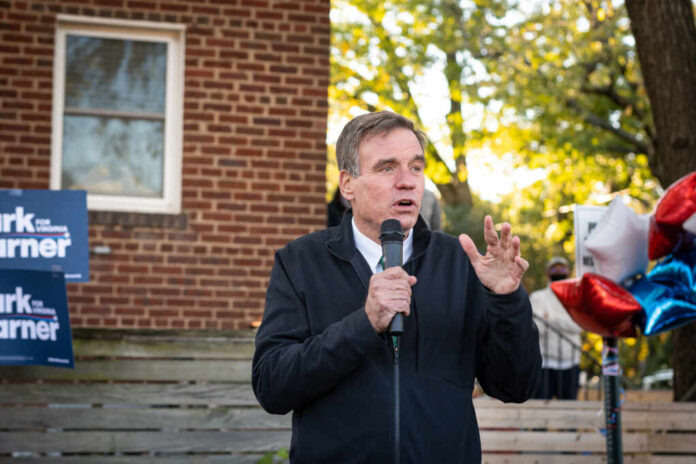
Senators Josh Hawley (R-MO) and Mark Warner (D-VA) introduced a bill on November 5, 2025, to require public reporting of job changes related to artificial intelligence. The bipartisan legislation, titled the AI-Related Jobs Impact Clarity Act, comes amidst warnings from some industry leaders that AI-driven automation could significantly affect the American workforce.
Story Highlights
- Senators Josh Hawley (R-MO) and Mark Warner (D-VA) introduced the AI-Related Jobs Impact Clarity Act in the U.S. Senate on November 5, 2025.
- The bill aims to increase public transparency about how AI-driven automation is affecting American jobs.
- It mandates that large companies and federal agencies submit quarterly reports to the Department of Labor, detailing AI-related layoffs, job displacement, retraining efforts, and new hires.
Congressional Action on AI and Employment
On November 5, 2025, Senators Josh Hawley (R-MO) and Mark Warner (D-VA) introduced the AI-Related Jobs Impact Clarity Act in the United States Senate. The legislation is a response to projections from tech professionals regarding the potential for artificial intelligence to reshape the job market.
The bill’s central aim is to mandate transparency concerning AI’s impact on American jobs. It requires major companies and federal agencies to report quarterly data to the Department of Labor. This data would include information on AI-related layoffs, job displacement, employee retraining efforts, and new hires. The Department of Labor would then make this information public.
AI Job Impact: Senators Seek Transparency Amid Layoff Concerns: Bipartisan legislation introduced by Senators Hawley and Warner aims to mandate quarterly reporting on AI-related job changes to the Department of Labor, addressing potential workforce shifts. https://t.co/bbZ0WQQv02
— Valentin Podkamennyi (@vpodk) November 9, 2025
Industry Warnings and Legislative Rationale
The push for the bill follows public warnings from industry leaders, including Dario Amodei of Anthropic, who have addressed Congress about AI’s potential to automate millions of jobs. Amodei is cited as suggesting that AI could eliminate up to half of entry-level white-collar jobs and potentially raise the U.S. unemployment rate to between 10% and 20% within the next five years.
Senators Hawley and Warner, despite different party affiliations, have cited the need for factual data to inform policy decisions related to emerging technologies. The senators agree that the public requires clear information on how automation is affecting job security and career paths. The legislation is intended to arm policymakers with the necessary data to develop responses that support American workers.
Economic and Social Context
The required reporting from the Department of Labor is anticipated to focus public attention on sectors most likely to be affected by AI, such as technology, finance, media, and customer service. There is a general consensus that entry-level white-collar positions face a notable risk of displacement. While proponents of AI suggest the technology will eventually create new job categories, the immediate conversation is focused on potential job losses and the associated economic pressures. Proponents of the bill argue that transparency is the necessary first step to developing policies for workforce retraining, maintaining economic stability, and fostering new opportunities.
Current Status
The AI-Related Jobs Impact Clarity Act is currently before Senate committees, and debate is expected in the coming weeks. While there has been no significant reported opposition, the situation is being monitored by industry lobbyists. The bill is viewed by its sponsors as setting a precedent for public oversight of disruptive technologies.
Watch the report: AI could drive US unemployment to 20, senators warn as new bill targets job tracking
Sources
AI could drive US unemployment to 20%, senators warn as new bill targets job tracking
New legislation in Senate would mandate reports of AI-related job cuts (The Washington Times, Nov. 5, 2025)
Exclusive: Hawley and Warner introduce AI jobs bill (Axios, Nov. 5, 2025)