North Korea marked the 80th anniversary of the Workers’ Party with the unveiling of the Hwasong-20, its most advanced solid-fuel ICBM to date, signaling a major leap in military capability and geopolitical intent before an audience that included foreign dignitaries.
Story Highlights
- North Korea showcased its Hwasong-20 intercontinental ballistic missile (ICBM) during a military parade.
- The event marked the 80th anniversary of the Workers’ Party of Korea.
- The Hwasong-20 utilizes solid-fuel technology.
Foreign leaders were present at the parade.
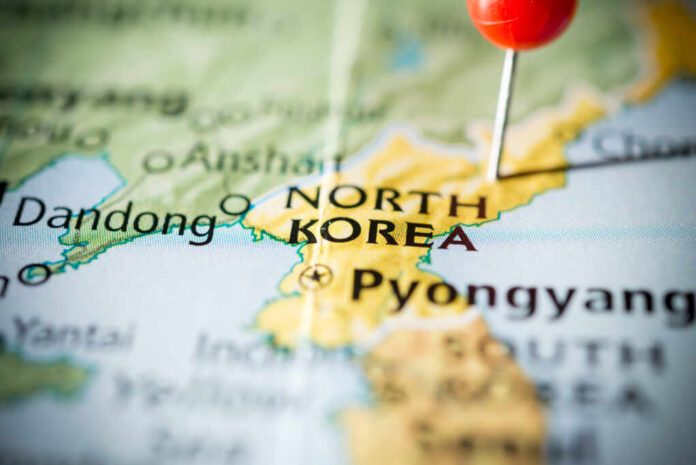
On October 10, 2025, North Korea presented its new Hwasong-20 intercontinental ballistic missile (ICBM) at a military parade in Pyongyang’s Kim Il-sung Square. The parade commemorated the 80th anniversary of the Workers’ Party of Korea and was attended by foreign dignitaries. North Korean state media described the Hwasong-20 as the nation’s most powerful nuclear strategic weapon.
The Hwasong-20 features solid-fuel propulsion, which is reported to enable faster launch preparation and increased mobility. This technological development is seen as a significant advancement in North Korea’s missile capabilities, potentially reducing warning times for other nations and affecting defense strategies.
The display of the Hwasong-20 ICBM indicates North Korea’s continued focus on developing its military technology, despite international sanctions and diplomatic isolation. While specific technical details have not been independently confirmed, the missile’s development suggests potential improvements in range and payload, which could influence the regional power balance in Northeast Asia.
During the parade, Kim Jong-un emphasized military strength as essential for national sovereignty. The attendance of foreign leaders, including those from China and Russia, suggests North Korea’s efforts to convey strategic messages and maintain diplomatic relationships amidst international pressure. This event may also reinforce the regime’s domestic and international standing.
The introduction of the Hwasong-20 has implications for regional security. Its solid-fuel technology could shorten decision-making timelines for potential adversaries, potentially increasing tensions. For the United States and its allies, this development may necessitate a review of existing missile defense strategies and diplomatic approaches.
Globally, North Korea’s missile advancements could impact non-proliferation efforts. Concerns exist regarding the potential transfer of this technology to other states or non-state actors, which could escalate global security challenges. This situation highlights the ongoing need for diplomatic engagement and strategic planning to address the evolving security landscape.
Watch the report: Kim Jong Showcases Hwasong-20, Most Powerful Nuke That Can Target Anywhere on Planet | North Korea
Sources:
North Korea holds military parade, shows off new intercontinental missile | Reuters
N.Korean state TV shows new ICBM at military parade | NHK WORLD-JAPAN News