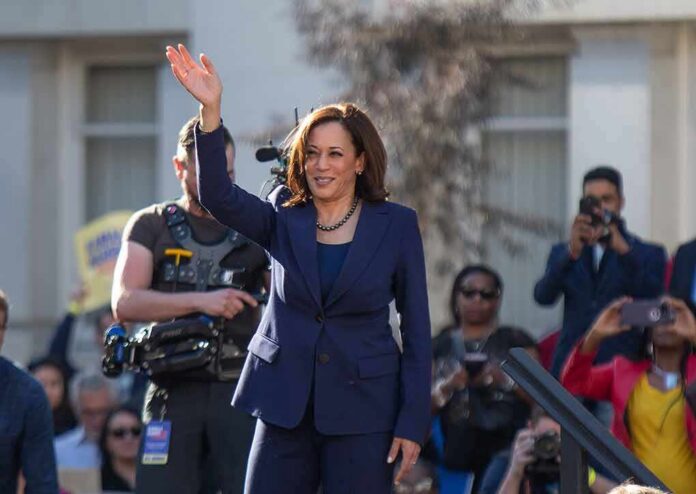
An Alaska Senate hopeful publicly declined Kamala Harris’s help after a joint fundraising email tied her campaign to Washington, reviving fears that national brands outweigh local voices.
Story Snapshot
- Mary Peltola’s campaign said it did not approve or seek Kamala Harris’s endorsement.
- Harris’s email urged donors to “stand behind Mary” and split funds with her own committee.
- Democrats view Peltola as a key recruit in a broad Senate push this fall.
- The clash shows how national labels can backfire in a state-first race.
Peltola Rejects National Endorsement to Keep Focus on Alaska
Mary Peltola’s Senate campaign in Alaska said it did not approve, request, or want Kamala Harris’s endorsement. The campaign told reporters it aims to keep the race centered on Alaska issues, not lower 48 politics. The message followed a Harris fundraising email that invoked Peltola’s name. The quick pushback signaled a risk the campaign sees: national figures can help raise money but can also tag a candidate with outside agendas. That tradeoff often shapes close races.
The Harris email asked supporters to “stand behind Mary” and treated Alaska as a must-win race for Democrats. The link sent donors to a page that split gifts between Peltola’s campaign and Harris’s committee. That setup can boost cash and attention. It also ties the candidate to a national figure with clear policy baggage in a resource-heavy state. Republicans seized on that link to argue Peltola is aligned with outside priorities, especially on energy and climate.
National Democrats See Opportunity, But Local Politics Rule
Party strategists have cast Peltola’s run as a major win for recruitment. They argue her profile helps widen the Senate map in a tough year. State party leaders also praised her as a needed champion who could flip the seat. Those signals carry benefits with donors and activists. Yet they can complicate messaging in a state where Democratic brands test poorly. Campaigns often balance the money and muscle of national help against the danger of imported labels that do not fit local voters.
Research on endorsements shows they can move donors and some voters, but effects swing with who speaks and who listens. When the endorser is unpopular with the target audience, the endorsement can backfire. That risk grows when money flows through joint appeals that highlight the tie. In Alaska, oil, gas, fishing, and cost of living dominate talk. Linking Peltola to a figure known for national climate goals can invite attacks that she is out of step, even if her platform differs.
Why This Moment Taps a Deeper Voter Frustration
The standoff taps a broader mood across the country. Voters on the right and left say national leaders chase headlines and dollars while ignoring local needs. Many see a political class that protects itself first. Here, a single email turned a local race into a national tug-of-war. Peltola’s refusal reads as a bid to stay accountable to Alaskans, not to Washington gatekeepers. Whether that stance holds may shape how candidates handle outside backing in other swing states.
In Alaska Democrat Congressional candidate Mary Peltola has rejected Kamala Harris's endorsement of her bid to become Alaska's first Democrat senator in 12 years.
She’s smart to say, no thanks for Harris endorsement! 😂
— Judy ⛳️ (@judytgolf) August 15, 2026
The campaign’s choice also reflects a clear lesson for both parties. Money raised far away can come with strings that cost more than they bring. Candidates in states with unique economies need room to split from national brands. Voters judge whether a leader will stand up for local jobs, energy, and costs. Expect more careful lines around endorsements this fall. Expect more fast pushbacks when national committees try to steer a race that locals want to steer themselves.
Sources:
nypost.com, townhall.com, thealaskastory.com, huffpost.com, nrsc.org