No confirmed “smoking gun” footage proves China’s direct involvement in wartime actions, yet accusations fuel escalating diplomatic strain.
At a Glance
- No verified evidence links China directly to wartime involvement.
- Accusations often hinge on rhetoric and circumstantial claims.
- Cyber-attacks and disinformation campaigns are under ongoing investigation.
- Experts warn against equating metaphorical claims with proof.
Unproven Claims in the Spotlight
China has faced recurring charges of covert support in conflict zones. Allegations cover arms transfers, cyber intrusions, and propaganda campaigns. None have produced clear, verifiable evidence.
The absence of a true “smoking gun” leaves gaps between perception and proof. Rhetoric from rival states has amplified suspicion but not delivered confirmation.
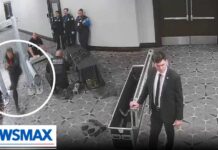
Watch now: Smoking gun footage claim EXPOSED – No proof!
Speculative narratives keep tensions high. Each fresh accusation adds pressure, but none resolve the basic lack of direct proof. The cycle sustains mistrust across the diplomatic arena.
Cyber Shadows and Military Posturing
The U.S. Cybersecurity and Infrastructure Security Agency has tracked suspected Chinese cyber operations. Targets span infrastructure, defense firms, and democratic institutions. Yet investigators admit hard attribution remains elusive.
Alongside cyberspace concerns, Beijing’s buildup in the South China Sea and Taiwan Strait has stirred alarm. Maneuvers signal intent, but again, no direct wartime act has been tied to Beijing.
Analysts stress that “smoking gun” is often shorthand in political fights. Alan Rozenshtein of Minnesota Law School says the term rarely points to verifiable evidence in such cases.
Scholars Call for Caution
The COVID-19 fallout and tech bans like TikTok sharpened debate over China’s global reach. Scholars argue these moves raised scrutiny but did not supply proof of warfighting. Kerry Brown of King’s College London notes suspicion is not the same as evidence.
Sanctions, drills, and military alerts grow from these suspicions. Yet experts warn such measures can spiral when based on speculation, not confirmed facts.
Rozenshtein and Brown both emphasize separating metaphorical framing from factual findings. They urge states to keep scrutiny rigorous and evidence-based.
Future Risks and Diplomatic Strain
Short-term effects of unverified claims are already visible: strained diplomacy, sharper rhetoric, and expanded defense budgets. Each unproven charge adds weight to the standoff.
Long-term risks run deeper. Global alliances may shift under pressure, while information warfare escalates in scope and sophistication. The absence of proof does not reduce the danger of hardened narratives.
Experts agree that unverified claims cannot guide lasting policy. Without credible verification, nations risk fueling mistrust instead of managing it. Transparency, accountability, and careful fact-checking remain the only stabilizing tools in the present climate.
Sources
Did the TikTok Ban Go Too Far?
University of Minnesota Law School