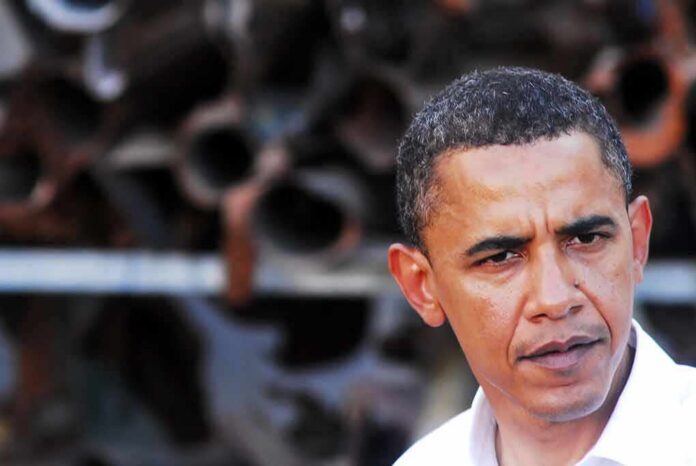
Barack Obama said he is “absolutely confident” the world would see better outcomes if women ran every country for two years, reviving a years-old claim that still sparks sharp debate today.
Story Snapshot
- Obama said women would govern better than men and improve outcomes worldwide.
- His comments echoed a 2019 talk in Singapore and similar remarks reported since.
- Researchers find strong gender stereotypes shape how people judge leaders.
- Some studies show mixed or context-specific differences by leader gender.
What Obama Said And Why It Resurfaced
Barack Obama said he believed women leaders would raise living standards and improve results if they ran every nation for two years. He made the point in Singapore, adding that women are not perfect but are “indisputably better” than men in leadership. Major outlets recorded the comments, which often resurface online and in new clips. The remarks continue to circulate, drawing praise and pushback across political lines as people revisit what better leadership means today.
Obama also described how he sometimes imagined a world led by women for a short test period. He said results would not be perfect but would be better. News reports repeated this framing as the quote appeared in new social posts and videos. The renewed attention comes as many Americans question if the political class listens to them, and whether fresh leadership styles could address rising costs, safety, and trust in government.
How The Claim Fits Real-World Evidence
Political scientists say people bring gender stereotypes to leader ratings. Voters and elites often expect women to be more compassionate and men to be tougher on security. Those beliefs shape judgments of the same actions, and they can punish leaders who do not match the script. This helps explain why the same Obama quote draws cheers from some, and anger from others, even when the facts of his statement are clear and public.
Research on leader performance by gender shows mixed patterns. One cross-country study of crisis responses found women leaders often acted more quickly early on, with differences fading over time as conditions changed. Other work shows leader outcomes depend more on systems, constraints, and accountability, not just gender. That suggests policies, media freedom, and strong elections can matter more than whether a man or a woman holds the office.
Why This Debate Resonates In 2026
Americans across parties feel the system serves elites before families. Many say Washington misses the mark on prices, border control, schools, and health costs. Obama’s claim taps into a shared hunger for leaders who act, listen, and deliver. Supporters hear a push for fresh voices and less ego. Critics hear a sweeping generalization that swaps one broad label for another and distracts from real checks and balances that drive results day to day.
“Put Women in Charge of Every Government for Two Years and See What Happens” — Barack Obama
Former US President Barack Obama has said he believes the world could be better if women were put in charge of governments in every country for two years.
Obama made the remarks while… pic.twitter.com/1DKhqWc5dB
— NigerianEye.com (@NigerianEye_) September 25, 2026
The larger lesson from the data is practical. Countries do better when leaders, regardless of gender, face strong accountability and open media, and when civil society is free to push back. Those guardrails raise performance and lower corruption risks. They also help voters judge leaders by outcomes, not by stereotypes. In a time of distrust, that focus puts power back with citizens and keeps attention on results most families care about.
Sources:
theblaze.com, axios.com, washingtontimes.com, onlinelibrary.wiley.com, academic.oup.com