
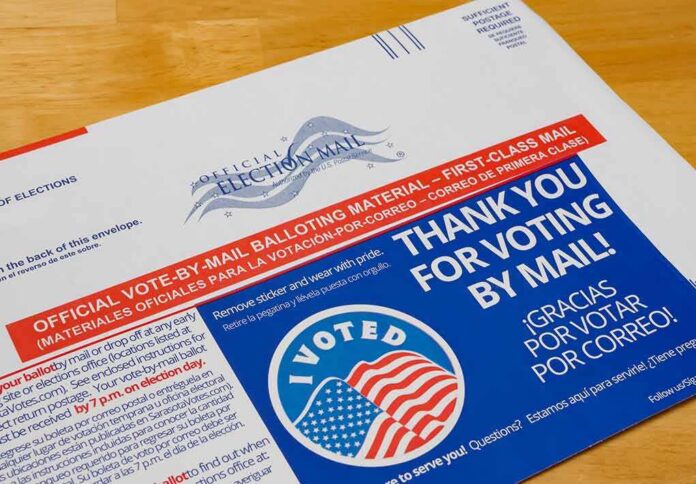
The Justice Department gave California 48 hours to review a federal list of people it believes are likely noncitizens who were sent mail ballots, warning it may seek emergency court action if the state does not act.
Story Snapshot
- Justice Department sent a password-protected list to Los Angeles County and other counties.
- Letter directs officials to hold unmailed ballots and segregate returns pending citizenship checks.
- Department set a 48-hour deadline and threatened emergency legal relief if ignored.
- Public reports do not state how many people are on the list or how they were identified.
What The Justice Department Ordered California To Do
On October 13, Acting Deputy Attorney General R. Trent McCotter sent a letter to California officials about mail ballots sent to people the department believes are likely noncitizens. The letter said federal officials provided Los Angeles County with a password-protected thumb drive listing names and directed counties to verify citizenship status. The instructions said to hold unissued ballots and to segregate — not cancel — any returned ballots until status is confirmed. The department set a 48-hour review window.
CBS News reported that similar letters went to other counties, signaling a statewide push rather than a single-county dispute. Reuters reported the department would seek emergency relief in court if counties did not follow the process outlined in the letter. Local officials in the Secretary of State’s office and Los Angeles County did not immediately respond to questions, according to CNN. Public reports have not disclosed a count of names on the list.
What Is Known And What Is Not From Public Reports
The department’s claim focuses on ballot issuance, not just voter registration, which ties the request to a concrete step in election administration. News outlets did not report how the department identified “likely noncitizens,” and the letter, as described, did not list the source databases or matching rules. Reports also do not show whether anyone on the list voted. Receipt of a mail ballot is different from returning a ballot and having it counted.
The department told counties to separate returned ballots if citizenship could not be independently confirmed, which aims to protect legal votes while preventing ineligible ballots from being counted. The 48-hour deadline compresses the time officials have to validate matches that could be wrong due to record errors or recent naturalizations, but it sets a clear path to handle ballots during checks. The department warned it would seek emergency court action if the process was not followed.
Why This Fight Matters For Voters In Both Parties
Election offices face a recurring challenge: early database matches can look serious but still be wrong. Studies and officials have found confirmed noncitizen voting to be rare, which makes accuracy in matching even more important. When federal and state officials clash, voters worry about two risks at once — illegal voting and lawful votes being set aside. Clear rules for verifying status and handling ballots help guard against both problems.
🚨 BREAKING: The Trump DOJ just sent California a 48-HOUR ULTIMATUM over suspected noncitizens getting mail-in ballots — Reuters
ANY official who knowingly facilitates noncitizen voting can be prosecuted! 🔥
Trump gave Los Angeles County a password-protected thumb drive pic.twitter.com/KTkZmSb8e2
— REAL BIG DADDY 1776 (@REALALEXWEST01) October 14, 2026
Many Americans across party lines already feel the system serves insiders first. A fast federal deadline, a threat of court action, and missing public details about the list can fuel that view. The department’s written plan lays out steps that try to balance integrity and access: verify status, hold unissued ballots, and segregate returns rather than cancel them. The practical test now sits with county officials who must check records quickly and document results.
Sources:
cbsnews.com, reuters.com, edition.cnn.com, usnews.com