
A retired New York City detective is charged with murder after a rush-hour road-rage shooting on the George Washington Bridge, raising fresh questions about safety, accountability, and trust on America’s roads.
Story Highlights
- Investigators say two vehicles nearly collided before a fatal shot on the bridge.
- The shooting happened during evening traffic on the bridge’s upper level.
- Scene evidence points to a bullet entering through the rear window area.
- A grand jury later indicted the retired detective on murder charges.
What Police Say Happened On The Bridge
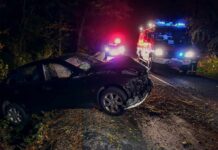
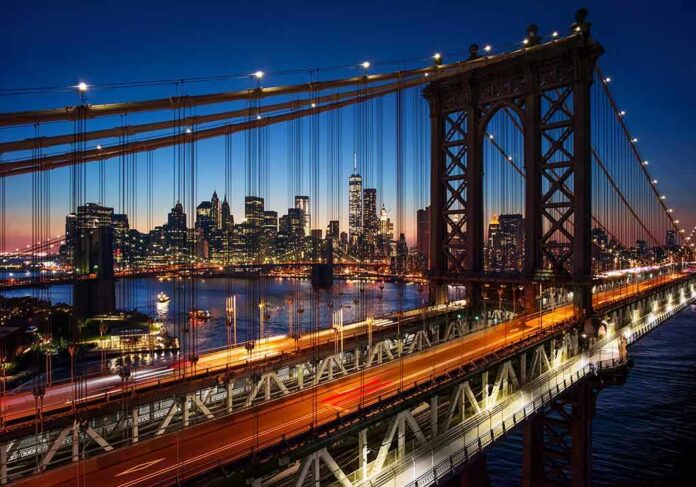
Police and investigators said two vehicles nearly collided before one driver was shot on the George Washington Bridge. The incident unfolded around 7:18 p.m. on October 20, 2026, on the bridge’s upper level, heading into New Jersey, during heavy traffic. Sources reported a bullet hole in the rear windshield area of the victim’s car. The vehicle continued onto the bridge and crashed, and first responders found the driver unresponsive in the seat. Officials described the case as an apparent road-rage encounter.
Detectives traced a black Range Rover seen by bridge cameras and linked it to Victor Romero, a retired New York City Police Department detective. Police said surveillance video helped identify the vehicle involved and led them to the suspect soon after the shooting. Authorities arrested Romero and initially charged him with manslaughter. After further review, a Manhattan grand jury indicted him on second-degree murder, reflecting a more serious accusation against the retired officer.
Why The Evidence Raises Hard Questions
Reports about the bullet entering through the rear of the victim’s vehicle suggest the shot came from behind or alongside during the moving encounter. That detail supports a timeline of a near-collision followed by a shot but does not prove an immediate deadly threat at the moment the trigger was pulled. The New York Police Department also described the incident as connected to road rage, stressing that investigators would determine the motive. Officials have not released the full surveillance video or complete forensic files.
Prosecutors and the victim’s family have pressed a different narrative. Prosecutors told local media that surveillance footage shows Romero tailgating, then pulling alongside, and firing into the victim’s car. Family members called the act intentional and reckless, saying the video is “super clear” about what happened. Those are allegations at this stage. The murder indictment signals prosecutors believe the evidence supports intentional wrongdoing, but the case still needs to be proven in court.
A Growing Pattern Of Road-Range Gun Violence
The tragic shooting sits within a larger national trend. Road-rage shootings have surged over the past decade. An analysis of Gun Violence Archive data found people shot in road-rage incidents rose from 92 in 2014 to 481 in 2023, with 3,095 people shot across the decade and hundreds killed. That rise means more drivers face split-second risks around common traffic mistakes. When a gun enters the mix, a minor lane change or brake check can turn deadly very fast.
New York law allows deadly force when a person reasonably believes it is necessary to stop the use or imminent use of deadly force. Courts also scrutinize who started the conflict and whether safer options existed. Those standards reflect a basic rule most Americans support: de-escalate when you can, and use deadly force only as a last resort. The public will look for the missing records—full video, 911 calls, ballistics—to judge whether that standard was met here.
Why This Case Hits A Nerve Across The Aisle
Many Americans, left and right, doubt that powerful insiders face the same rules as everyone else. This case involves a retired police detective, a high-profile bridge, and a family describing a kind father and husband who never made it home from work. People worry that anger on the road now comes with a hair trigger, and that institutions reveal the truth slowly—if at all. Officials can ease those fears by releasing evidence when the law allows and by explaining each step clearly.
What To Watch Next
The grand jury indictment moved the case into a long court process. Expect disputes over who initiated the conflict, vehicle speeds, and the shooter’s position. Watch for release of bridge footage, 911 recordings, and forensic reports that map the bullet’s path and the cars’ movements. Those records will help answer the core question every driver cares about: was deadly force necessary at that instant, or was there a path to disengage and live another day?
Sources:
nypost.com, lohud.com, abcnews.com, freep.com, nydailynews.com, fox5ny.com, newsday.com, nycourts.gov