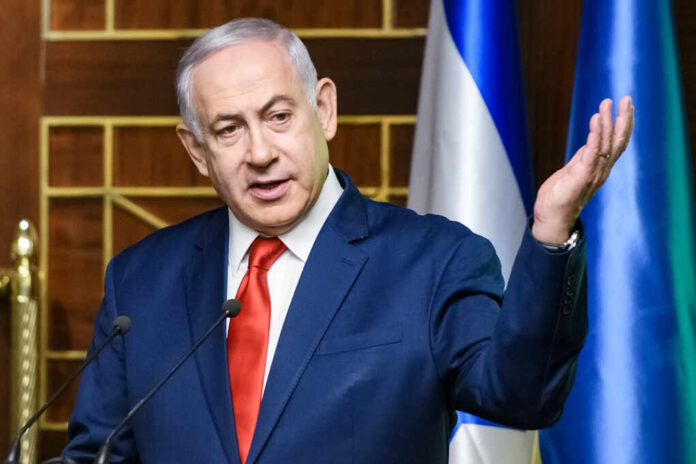
Israeli Prime Minister Benjamin Netanyahu is set to firmly resist President Trump’s push to initiate phase two of the Gaza cease-fire plan during their Mar-a-Lago summit on Monday. This anticipated resistance signals potential friction in a key alliance and highlights Israel’s apprehension over moving forward without assured security gains and clear protection of its defense priorities.
Story Highlights
- Netanyahu expected to push back hard against U.S. advancement to phase two of Gaza cease-fire plan.
- Meeting set for Monday at Mar-a-Lago between Trump and Netanyahu amid Israel’s security concerns.
- Tensions highlight Israel’s fears of premature escalation in cease-fire process.
- Reflects ongoing U.S.-Israel coordination on Middle East stability under Trump’s leadership.
Netanyahu’s Anticipated Resistance
Israeli Prime Minister Benjamin Netanyahu prepares to counter any Trump administration effort to initiate phase two of the Gaza Strip cease-fire plan. The leaders scheduled their discussion at Mar-a-Lago on Monday. Reports indicate Israel’s apprehension over moving forward without assured security gains. This stance underscores Netanyahu’s commitment to Israel’s defense priorities, a position resonating with conservatives who prioritize strong allies against regional threats. Trump’s administration values such partnerships forged in prior successes.
https://x.com/AJEnglish/status/2004564922014040152\
Context of the Gaza Cease-Fire Plan
The Gaza cease-fire divides into phases, with phase one focusing initial hostage releases and aid. Phase two involves permanent cessation and further exchanges, raising Israeli concerns about Hamas regrouping. Netanyahu’s pushback aims to ensure phase one deliverables before progression. This approach aligns with conservative principles of measured diplomacy that safeguard U.S. interests and allies. Trump’s track record includes brokering cease-fires like those between India-Pakistan and Israel-Iran, demonstrating effective leadership.
Under Trump’s renewed presidency, U.S. policy bolsters Israel amid the Gaza war and recent Iran-Israel conflict. Strikes on Iranian nuclear sites reflect decisive action. Netanyahu’s resistance tests the balance between alliance solidarity and strategic caution.
Implications for U.S.-Israel Relations
Potential disagreement at Mar-a-Lago could strain but ultimately strengthen U.S.-Israel ties through candid dialogue. Conservatives view Trump’s unyielding support for Israel as vital against globalist pressures and Iranian aggression. Netanyahu’s firm position prevents rushed deals that might embolden terrorists, echoing Trump’s first-term accomplishments in dismantling ISIS and securing regional peace agreements. Limited details on exact phase two terms highlight the need for vigilance in negotiations.
Trump’s administration increased military aid and coordination, including equipment deals. This meeting reinforces America’s leadership, rejecting weak multilateralism in favor of bilateral strength with trusted partners like Israel.
Broader Trump Foreign Policy Successes
Trump’s diplomacy delivered historic NATO defense spending hikes to 5% of GDP and obliterated Iran’s nuclear program. Cease-fires in multiple hotspots showcase results-oriented policy. Designating Latin American cartels as terrorists extends this toughness. Pushing Gaza phase two fits Trump’s pattern of advancing stability, though Netanyahu’s caution ensures no concessions undermine security. Conservatives applaud this dynamic as common-sense governance over endless entanglements.
Watch the report: Trump, Netanyahu to work on phase two of Gaza ceasefire
Sources:
- Trump, Hosting Netanyahu in Florida, Says Next Phase of Gaza Ceasefire Plan Will Begin ‘As Quickly as We Can’ | Jewish Telegraphic Agency | thejewishnews.com
- Trump and Netanyahu aim to advance second phase of Gaza peace plan
- Trump warns Iran of possible strike, urges Hamas to disarm after meeting Netanyahu | Reuters
- US-Israel ties: What Netanyahu and Trump will discuss in Florida