Florida’s 2026 primaries turned into a two-front party fight, with close margins and surprise wins exposing rifts on the right and left.
Story Highlights
- Byron Donalds won the Republican governor primary with 47.8% in a crowded field, signaling a split but clear win.
- David Jolly captured the Democratic governor primary with a strong lead, pointing to faster party consolidation.
- Progressive Angie Nixon upset Alexander Vindman in the Democratic Senate primary, reshaping that race.
- Turnout sat in the mid-20% range, a typical level that amplifies faction fights in closed primaries.
Florida’s Results Show Real Intra-Party Splits
Republican Congressman Byron Donalds won the nomination for governor with 47.8% of the vote, topping a large field and finishing far ahead of Jay Collins at 25.2%. That share shows strength but also highlights a divided base that backed several options. On the Democratic side, David Jolly advanced with a clear lead, suggesting a faster rally around one ticket than Republicans managed in their contest. These outcomes mark Florida as the main battleground for each party’s internal direction.
Democrats saw a shock in the Senate primary. State Representative Angie Nixon defeated Alexander Vindman, who had more funding and national attention. That result signals an energy shift on the left toward candidates who run as economic and social populists. Republicans, meanwhile, tested messages tied to crime, schools, and migration, but split across multiple figures before settling on Donalds. Both parties now head into November carrying bruises from hard-fought primaries rather than clean unity.
Closed Primaries and Low Turnout Magnify Factions
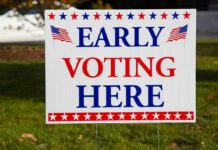
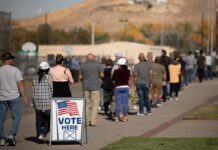
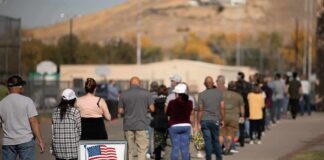
Florida runs closed primaries, which means only registered party members pick nominees. That setup narrows who votes and often pushes races toward the most active voices inside each party. Statewide participation hovered in the mid-20% range, which tracks with past Florida primaries and reports from local outlets. When only about one in four voters weighs in, faction power grows. The result is sharper contrasts in August that may not match the broader electorate that votes in November.
Reports showed Republicans held a slight edge in ballot share among primary voters, helped by strong Election Day turnout, while Democrats consolidated in key statewide races. Those patterns matter for strategy. Republicans will try to convert intensity into general election reach, while Democrats will aim to blend progressive enthusiasm with moderate appeal. Low-to-moderate primary turnout keeps both parties guessing about what the larger, more diverse November electorate will reward once independents return to the mix.
Why These Primaries Matter Beyond Florida
National groups watch Florida because it mirrors fights across the country. On the right, leaders debate how hard to press cultural issues and immigration, and how to balance growth with order. On the left, candidates argue over health costs, wages, and the role of Washington in daily life. Florida’s results give each side data on what messages moved real votes under pressure, not just in polls or on social media. Campaigns will now refine ads, surrogates, and ground game with these lessons.
For many voters, the deeper takeaway is frustration. People across the spectrum see rising costs, strained schools, and leaders who seem more focused on power than solutions. These primaries will not fix that on their own. But they did force each party to show its hand: who leads, which ideas advanced, and where the cracks run. In a year when control in Washington already favors Republicans, Democrats must knit together factions fast, and Republicans must convert internal wins into broader trust.
Key Races Set the Terms for November
Byron Donalds enters the general election as the Republican standard-bearer after surviving a split field with under a majority, a common outcome in crowded primaries. David Jolly brings a simpler path from the Democratic side after posting a commanding lead on primary night. Angie Nixon’s Senate upset over Alexander Vindman adds a fresh dynamic for Democrats statewide and could shift policy talk toward living costs and worker issues more than party leaders expected.
Florida’s turnout history suggests the fall electorate will look much larger and more mixed than August’s slice. That change will test whether the messages that won inside the parties can also win outside them. Campaigns now have weeks to move from internal fights to broader appeals. Voters, facing real burdens at home, will look for concrete plans on prices, insurance, safety, and schools. The side that offers clear steps, not slogans, is best placed to turn these primary signals into November results.
Sources:
news4jax.com, aljazeera.com, yahoo.com, clickorlando.com, vpm.org, apps.npr.org, nytimes.com