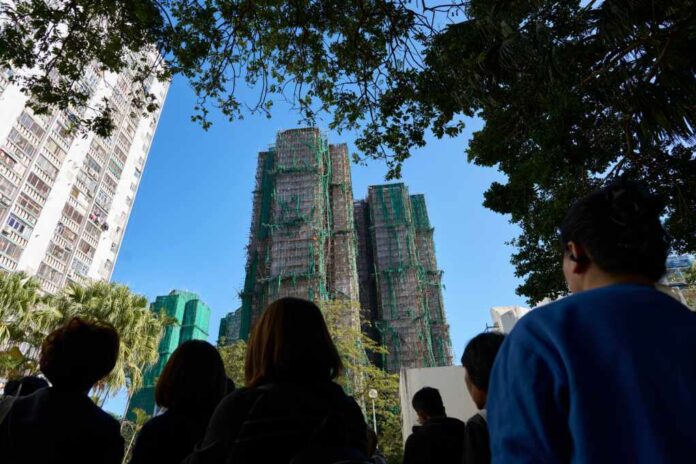
A devastating fire in Hong Kong’s Tai Po district on November 27, 2025, has tragically exposed the systemic exploitation of vulnerable foreign domestic workers, resulting in 146 casualties, including at least 10 migrant laborers. Predominantly from the Philippines and Indonesia, these workers suffered disproportionately due to being housed in substandard, employer-provided accommodations that prioritized cost savings over safety. This incident raises urgent international questions about worker protections, government responsibility toward foreign labor forces, and the dangerous power imbalances that exist for migrant populations dependent on their employers for both security and shelter.
Story Overview
- At least 10 migrant domestic workers died among 146 total casualties in Hong Kong’s Tai Po district fire on November 27, 2025
- Foreign workers, predominantly from the Philippines and Indonesia, faced disproportionate casualties due to substandard housing conditions
- The tragedy highlights systemic vulnerabilities affecting migrant populations dependent on employers for housing and safety
- The incident raises broader questions about worker protections and government responsibility toward foreign labor forces
Deadly Fire Claims Vulnerable Workers
The November 27, 2025, fire in Hong Kong’s Tai Po district killed at least 146 people, with migrant domestic workers comprising a significant portion of the casualties. At least 10 foreign workers, primarily from Southeast Asian countries including the Philippines and Indonesia, lost their lives in the blaze. These workers form a substantial portion of Hong Kong’s labor force, supporting households and the broader economy through domestic services that have become essential to the region’s functioning.
The concentration of migrant workers in certain residential areas amplified the disaster’s impact on this vulnerable population. Many of these workers live in employer-provided accommodations that frequently fail to meet optimal safety standards, creating dangerous conditions that proved fatal during the emergency. The Tai Po district houses many of Hong Kong’s working-class and migrant populations, illustrating how economic segregation can concentrate risk among society’s most vulnerable members.
Hong Kong’s migrant domestic workers mourn their losses in deadly fire https://t.co/hKgonujsQ4
— The Straits Times (@straits_times) December 1, 2025
Systemic Vulnerabilities Exposed
Migrant domestic workers in Hong Kong occupy a subordinate position within the labor hierarchy, often completely dependent on employers for both housing and employment security. This power imbalance severely limits their ability to advocate for safety improvements or demand better living conditions. The dependency relationship creates situations where workers must accept substandard accommodations rather than risk losing both their jobs and housing simultaneously, a dynamic that contributed to the tragic casualties.
The incident spotlights broader concerns about workplace and residential safety for foreign worker populations across Hong Kong. These workers frequently endure demanding conditions while living in accommodations that prioritize cost savings over safety measures. The fire serves as a stark reminder that emergency preparedness and comprehensive safety measures remain inadequate in communities with high concentrations of migrant workers, leaving them disproportionately vulnerable to disasters.
International Implications and Worker Rights
The tragedy has prompted discussions between Hong Kong authorities and the governments of workers’ home countries, particularly the Philippines and Indonesia, regarding enhanced worker protections. Support organizations and international bodies are attempting to balance existing power dynamics by advocating for stronger safety standards and employment protections. The incident may influence domestic service industry practices and regulatory frameworks governing migrant worker employment and housing throughout the region.
This disaster demonstrates how nations that rely heavily on foreign labor must ensure adequate protections for these workers, rather than treating them as expendable resources. The economic implications extend beyond immediate victims to affect families in workers’ countries of origin who depend on remittances from Hong Kong employment. The incident raises fundamental questions about social responsibility and the true cost of labor policies that prioritize economic benefits over human safety and dignity.
Watch the report: Hong Kong fire: Domestic worker victims of Tai Po blaze may ‘lose everything,’ says NGO worker
Sources:
Migrant domestic workers seek support and solace after Hong Kong fire – The Daily Star
Hong Kong fire spotlights enduring role of foreign domestic helpers – Arab News
Mourners flock to site of deadly Hong Kong blaze as Beijing warns against protests | The Asahi Shimbun: Breaking News, Japan News and Analysis