Britain’s grooming-gangs scandal is exploding again because officials are finally admitting what “political correctness” helped bury for years: vulnerable girls were failed, and institutions looked away.
Story Snapshot
- A new UK statutory inquiry is taking shape after the 2025 Casey Audit documented institutional failures to confront group-based child sexual exploitation.
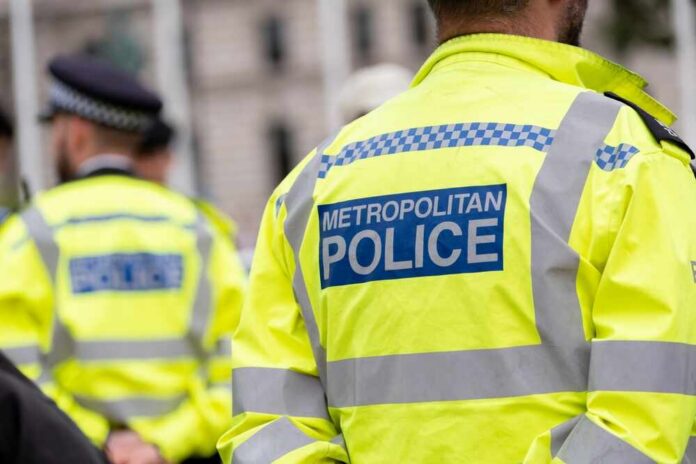
- London has become the latest flashpoint after the Metropolitan Police reopened roughly 1,200 child sexual exploitation cases spanning 2010–2025.
- Officials have faced criticism for avoiding frank discussion of offender background and for poor, inconsistent ethnicity data that hindered accountability.
- A separate controversy centers on prosecutors allegedly failing to flag racial or religious aggravation in dozens of historic cases, raising questions about sentencing and candor.
Why the Scandal Keeps Returning: Institutional Fear and Missing Data
UK authorities have been investigating grooming-gang crimes for decades, but the scandal persists because multiple institutions failed to act decisively when abuse patterns emerged. The 2025 Casey Audit highlighted gaps in national data and described “obfuscation” around ethnicity recording, including disturbing examples of files being altered. The audit argued that while national figures are incomplete, regional patterns were serious enough to demand scrutiny and clearer reporting standards.
Several towns in northern England became synonymous with group-based child sexual exploitation during the 1990s through the 2010s, including Rotherham, Rochdale, Telford, Keighley, and Oldham. Accounts compiled in public reporting describe vulnerable girls—often from chaotic homes or care settings—being targeted, coerced, and exploited. The defining public controversy is not only the cruelty of the crimes, but the repeated claim that officials hesitated to intervene aggressively because they feared being accused of racism.
London’s Reopened Cases Undercut Earlier Denials
In late 2025, the Metropolitan Police reopened around 1,200 child sexual exploitation cases from 2010–2025, a move later framed as a high operational priority by senior leadership. The development matters because London had been treated by some political figures as separate from the northern-town pattern. Reporting in early 2026 intensified scrutiny of how the capital handled allegations and whether public messaging minimized the scale of organized exploitation networks.
Political fallout has followed. London’s mayor faced renewed criticism after reporting described grooming-gang cases in the city and highlighted earlier public skepticism. The broader issue for the UK is credibility: when leaders appear to downplay a problem until journalists, audits, or police reopen investigations, trust collapses. For conservatives watching from abroad, the lesson is familiar—when ideology pressures institutions to deny uncomfortable facts, the victims are the ones who pay the price.
The New Independent Inquiry: What’s Known and What’s Still Unclear
The UK government has moved toward a statutory Independent Inquiry into Grooming Gangs, with draft terms and a public consultation running into early March 2026. The inquiry has named leadership and panel members and is positioned as a national effort to reconcile years of fragmented local investigations. For now, key operational details—scope, evidence-gathering powers, witness participation, and how findings will translate into prosecutions—remain under development until final terms are set.
The inquiry’s credibility will hinge on whether it confronts prior institutional incentives to stay silent. The Casey Audit’s focus on poor recording practices and reluctance to address offender profiles suggests the inquiry cannot succeed if it repeats the same evasions. A serious investigation must also weigh how policing, councils, and prosecutors interacted—especially in environments where whistleblowers were allegedly sidelined and where protecting institutional reputations competed with protecting children.
Prosecution Questions: Alleged Failures to Flag Aggravating Factors
Another front in the debate involves the Crown Prosecution Service and how cases were charged and described in court. A February 2026 report argued prosecutors failed to flag racial or religious aggravation in dozens of convictions tied to grooming-gang cases. Critics say that omission matters because it can influence sentencing and, just as importantly, public understanding of motive and pattern. The claims reflect a broader frustration with institutions that appear to sanitize facts.
Public confidence depends on equal justice under law—full stop. If aggravating factors were present and routinely ignored, the public deserves a clear explanation backed by records and policy. If the data is incomplete or the legal threshold was not met in specific cases, the public deserves that clarity, too. Either way, the scandal underscores why transparent reporting and consistent standards matter: when officials suppress hard truths, they don’t prevent social tension—they supercharge it later.
Sources:
Independent Inquiry into Grooming Gangs
London’s grooming gangs shame Sadiq Khan
White victims of grooming gangs ‘betrayed’ by prosecutors