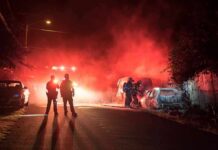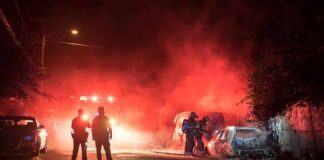
Philippine Coast Guard teams brought dozens of bodies ashore after a ferry fire near Coron, raising the death toll to at least 35 as searches continued for the missing.
Story Snapshot
- A passenger ferry caught fire near Coron, Palawan, with 134 people listed on board.
- At least 35 people are confirmed dead after recovery teams reached the burned vessel.
- Initial counts listed 43 survivors and 86 missing; figures shifted as records were checked.
- Officials say the cause of the fire remains under investigation.
Fire, Casualties, and a Rapidly Changing Count
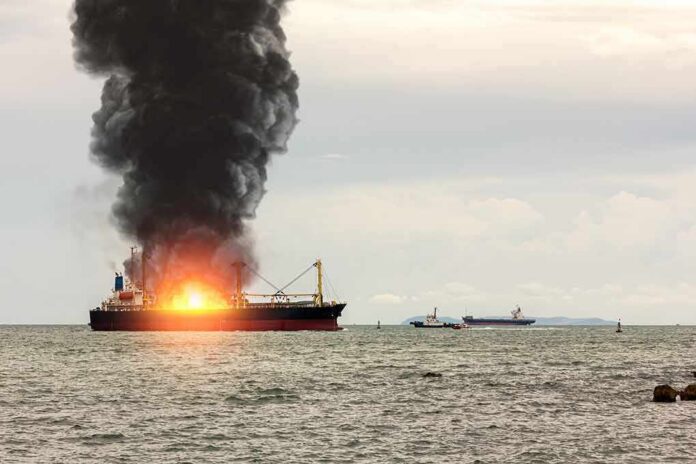
Philippine officials said the MV June Aster caught fire off Coron, Palawan, on Wednesday evening. The passenger manifest listed 117 passengers and 17 crew, for a total of 134 people on board. Early reports confirmed five deaths and 43 survivors, while authorities searched for 86 missing based on the manifest. By the next day, recovery teams brought more bodies to shore, pushing the death toll to at least 35 as searches at sea and around nearby shores continued.
Coast Guard leaders stated the blaze began around 6:45 p.m. local time near Barangay Marcilla, roughly 1.2 nautical miles from the Coron coastline. Rescue boats, local fishers, and regional units joined the effort through the night and into Thursday. Rough weather and choppy seas slowed the response and made boarding the hot, smoke-filled hull dangerous for several hours, according to updates from national and international outlets following the operation.
Where and How the Disaster Unfolded
Authorities reported receiving distress calls as flames spread across the vessel near a popular gateway to Palawan’s islands. The location and timing appeared consistent across multiple reports, helping teams set search patterns along likely drift lines. Crews staged at Coron brought survivors and bodies ashore for treatment and identification. Photos and video from the docks showed responders in protective gear transferring remains, while medical staff prepared to handle burn injuries and smoke inhalation cases.
Investigators said they have not determined the cause. Early interviews with survivors pointed to possible ignition in the cargo area, though other accounts mentioned the hull; officials stressed that these are preliminary statements and not final findings. Access to the wreck was limited at first due to heat and blast risk, which delayed a full forensic check. That kind of delay is common in large ship fires and often pushes key answers into later phases of the probe.
Why the Numbers Shift in Ferry Disasters
Rescue counts in the Philippines often change in the first days after a ferry accident. Responders must match a ship’s manifest with who actually boarded, who transferred at sea, and who was rescued or reached shore alone. In Coron, newsrooms reported small but important changes as records improved, similar to past ferry fires where the missing tally fell after reconciling manifests and survivor lists. This does not signal confusion by itself; it reflects the grind of confirming each person’s status.
Death toll from the Philippines ferry fire climbs to 76, with more still missing. Access to the burnt-out vessel is hindered by toxic fumes and lingering heat, officials say. Updates forthcoming as rescue and assessment operations continue. https://t.co/YhdyjRhkxF pic.twitter.com/2tWi33vJJl
— Drew Grimaldi (@Grimillionaire) September 12, 2026
Maritime investigators will now focus on where the fire started, what cargo was loaded, and whether safety gear and training met standards. They will examine radio logs, watch bills, and maintenance records, and will map burn patterns to find the point of origin. Officials also aim to learn if weather, loading, or crew actions made the fire worse. The goal is to reduce risk on future voyages across an island nation that depends on ferries for daily life and trade.
Sources:
bbc.com, apnews.com, reuters.com, philstar.com, sunstar.com.ph, gmanetwork.com