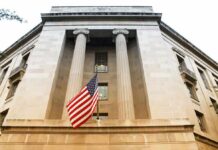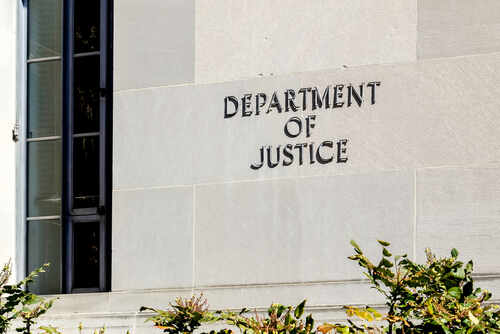
The Justice Department’s hiring crunch is now so severe that prosecutor job postings are reportedly dropping experience requirements—while other ads demand ideological alignment with President Trump’s agenda.
Quick Take
- Multiple reports describe a sharp DOJ staffing decline, including heavy losses among senior prosecutors in U.S. Attorneys’ Offices.
- Reporting on the Civil Rights Division’s police-misconduct work says staffing fell dramatically, forcing scaled-back investigations and stalled cases.
- Recruitment ads tied to DOJ leadership drew controversy after stating applicants must “support President Trump and his anti-crime agenda.”
- DOJ is also moving to centralize oversight of attorney ethics inquiries by proposing a rule that would allow the attorney general to review or pause state bar investigations.
Staffing Shortages Collide With a High-Stakes Prosecutor Pipeline
Federal prosecutors don’t appear out of thin air: they’re typically experienced lawyers expected to make fast, consequential decisions on liberty, public safety, and due process. But recent reporting describes a DOJ struggling to keep seasoned attorneys on the job, with U.S. Attorneys’ Offices losing a sizable share of staff over the last year and senior prosecutors among the hardest to replace. The combined effect has been a DOJ recruitment sprint under unusually strained conditions.
Several outlets connecting the dots between attrition and recruiting say the DOJ has taken extraordinary steps to fill roles, including job ads that no longer emphasize prior prosecutorial experience. The underlying problem is a shrinking bench of veteran trial lawyers at the precise moment the department is being asked to execute complex priorities—ranging from violent-crime prosecutions to sensitive civil rights cases that can reshape entire departments and communities.
Civil Rights Enforcement Capacity Drops as Police-Misconduct Unit Shrinks
A key pressure point is the Civil Rights Division’s Criminal Section, which has historically handled some of the DOJ’s most demanding “pattern or practice” work and police-misconduct prosecutions. Recent reporting says the section fell from roughly 40 trial attorneys to a fraction of that, with headcount described in the teens for core trial capacity and higher totals when counting other lawyers. The practical result, according to those accounts, has been fewer or narrower investigations and delayed action in active matters.
The same points to a measurable decline in civil rights charges tied to excessive-force cases, described as down sharply in 2025 compared with prior years. DOJ spokespeople, however, have publicly disputed the most dire characterizations and said the division continues enforcing civil rights aggressively while prioritizing finite resources. Taken together, the reporting suggests an institution trying to do more with less, with public-facing assurances running up against staff-level accounts of depleted bandwidth.
Ideological Hiring Language Sparks Alarm About Merit and Neutral Justice
The controversy escalated after recruitment ads circulated with language requiring candidates to “support President Trump and his anti-crime agenda,” an approach former officials and critics described as a political litmus test. Reports indicate the postings were associated with a Trump appointee and were followed by additional resignations and backlash inside and outside the department. The fact pattern in these accounts is clear: the ads existed, they drew public scrutiny, and they coincided with an already unstable staffing environment.
From a constitutional and rule-of-law standpoint, the concern many Americans will recognize is less about any one administration’s policy preferences and more about prosecutorial power itself. Prosecutors wield enormous discretion—charging decisions, plea offers, sentencing recommendations—and the public’s trust hinges on the idea that cases rise or fall on evidence and law, not loyalty pledges. It does not establish illegal hiring on its face, but it does show how ideological messaging can undermine confidence in neutral enforcement.
DOJ Push to Limit State Ethics Probes Raises Oversight Questions
DOJ’s staffing fight is unfolding alongside a separate dispute about accountability: a proposed rule that would let the attorney general review and potentially pause or block state ethics investigations involving DOJ lawyers. Coverage describes the proposal as a move to consolidate control over outside professional discipline affecting federal attorneys, with a public comment period attached. Supporters may see a shield against politicized harassment of federal lawyers; critics see a brake on independent oversight.
For conservatives who value limited government and checks and balances, the key question is structural: who watches the watchers? State bar discipline has long been one external mechanism for policing attorney misconduct. If the DOJ can delay or halt those inquiries, even temporarily, it shifts power inward—toward political leadership—at a time when the department is already under stress from departures and recruitment turbulence.
What to Watch Next: Case Backlogs, Recruitment Standards, and Public Trust
The immediate test will be operational: whether prosecutors with less on-the-ground experience can be trained fast enough to manage federal caseloads without errors that harm victims, defendants, or communities. The longer test will be cultural—whether the DOJ can rebuild retention and morale while keeping hiring standards and enforcement priorities credible to the public. The current record, as reflected in these reports, shows a department caught between attrition, politically charged messaging, and a workload that doesn’t pause.
DOJ Drops Experience Requirement for New Prosecutors Amid Hiring Struggle https://t.co/64GyAQ2EgM
— Mediaite (@Mediaite) March 17, 2026
Americans who want a DOJ focused on public safety and constitutional protections will likely keep pressing for clarity on two fronts: how staffing decisions are being made, and whether institutional guardrails are staying intact. Recent coverage so far provide strong evidence of a staffing slide and internal friction, but they also show officials disputing the most alarming interpretations. Until hiring standards and oversight rules are clearly settled, skepticism—and scrutiny—will remain part of the story.
Sources:
DOJ unit on police misconduct sees staffing plunge; probes scaled back
Justice proposes DOJ limit state ethics investigations lawyers
Trending Now: Running Out of Lawyers and Poor People Update for February 13, 2026
DOJ faces staffing crisis as prosecutors quit over politicization
Trump DOJ improperly installed New Jersey prosecutors, judge rules
DOJ officials call pro-Trump federal prosecutors ‘dangerous’