The Postal Service published a final mail-ballot rule that it cannot enforce right now because a federal judge blocked it.
Story Snapshot
- USPS finalized a rule to require voter lists and unique barcodes on ballot envelopes.
- The rule stems from a March directive by President Trump to tighten mail-ballot controls.
- A federal judge said the executive branch lacks authority over elections and issued an injunction.
- USPS adjusted the rule’s effective date to January 17, 2027, pending litigation.
What USPS Finalized And Why It Matters
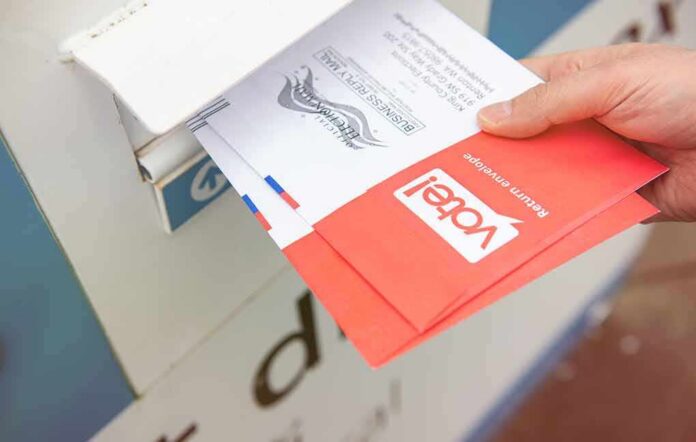
The United States Postal Service published a final rule that would change how it handles mail-in and absentee ballots. The rule says states must give USPS lists of voters set to receive ballots and use unique Intelligent Mail barcodes on outbound and return ballot envelopes. The agency says these steps would help track ballots and prevent misrouted mail. The Postal Service framed the change as a formal action and set an effective date. It later moved that date into 2027.
The White House linked this change to a directive from President Trump on March 31, 2026. The White House fact sheet says USPS must require secure ballot envelopes with unique barcodes and deliver ballots only to people on state-approved mail-voter lists. The plan aims to tighten chain of custody and improve tracking. Supporters say better data will reduce mistakes. They argue voters deserve a clear trail from the mailbox to the election office.
Why Courts Stepped In Before November
Federal judges blocked key parts of the order and the related USPS plan weeks before the midterms. One judge wrote that the Constitution does not give the president specific election powers and found USPS lacked legal authority to impose binding voting rules. The court said the order could not be enforced for the upcoming election. That means USPS can publish a rule, but it cannot carry out its core limits now. Appeals and more hearings could follow.
Timing drove concern for both sides. Opponents said the change landed too close to the election and could confuse voters and officials. Even the Postal Service shifted the final rule’s effective date to January 17, 2027, signaling it would not force changes before ballots go out this fall. The legal fight now centers on who sets mail-ballot rules. States run elections. USPS moves mail. Courts will judge how far a federal agency can go when a White House order is involved.
What Voters And States Should Watch Next
States face a choice if courts later allow the rule. They would need to supply voter lists and make sure every ballot envelope carries a unique barcode. That could improve tracking but also adds new data tasks. Some states already track ballots well. Others would need new tools. If data from other federal agencies is part of the system, errors in those files could cause problems, which critics warn about in public reporting.
USPS is publishing (promulgating) the final rule but is not implementing or enforcing its substantive requirements for the 2026 elections while the injunctions remain in force.
On or around August 21, 2026, the Postal Service issued a final rule amending its Domestic Mail Manual… https://t.co/W3dtwRNoWb
— FilaFresh (@filafresh) August 23, 2026
Many Americans on the left and right worry that powerful officials change rules late and leave citizens to deal with the fallout. People who fear fraud want proof that every ballot has a clear trail. People who fear disenfranchisement want proof that no one gets cut off by red tape. The current record shows a rule built for tighter tracking, but a court says it overreaches. Until higher courts rule, USPS will keep moving ballots under existing practices.
Sources:
nypost.com, reuters.com, cnn.com, foxnews.com, npr.org, washingtonpost.com