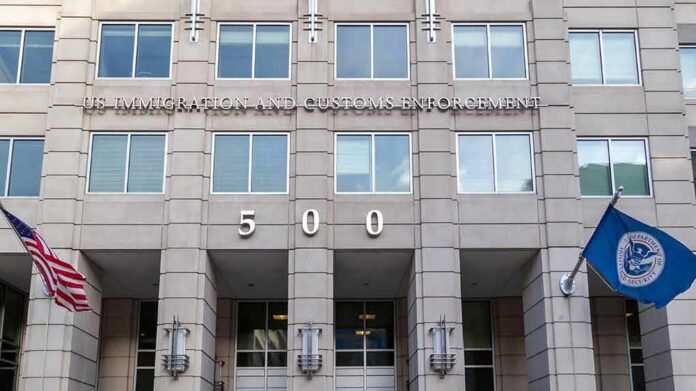
ICE’s new check-ins for Haitian Temporary Protected Status holders in Ohio show how fast immigration policy can turn into street-level pressure.
Quick Take
- Hundreds of Haitian immigrants in Ohio were told to report for in-person Department of Homeland Security check-ins, and some left with ankle monitors.
- Local advocates say the letters were real, and they describe a pattern of check-in, interview, then monitoring.
- The change follows the end of Haiti’s Temporary Protected Status, which opened the door to stronger enforcement.
- Supporters of the action call it routine supervision, while critics see it as a humiliating and fear-driven tactic.
What Happened in Ohio
Haitian immigrants in Springfield and nearby areas were summoned to federal immigration offices after their protected status ended. Reporters and advocates say some people who showed up were fitted with electronic ankle monitors before they left the building. A Haitian community leader in Springfield said the letters told people to appear for an official matter, which matches the reports of in-person check-ins followed by monitoring.
Those reports matter because the people involved were not described as a single criminal group or a narrow enforcement target. Instead, the coverage points to a broader move against Haitian Temporary Protected Status holders in Ohio after federal protections expired. That has made a routine legal process feel far more personal and far more public, especially in a community already under stress from immigration fights and political attention.
Why the Monitors Sparked Anger
Community advocates say ankle monitors carry a stigma that goes beyond simple tracking. One local organizer said people who wore them felt treated “like they’re criminals,” even though the reports describe many as former legal workers without criminal convictions. Immigration attorneys also told reporters that ankle monitors are usually reserved for flight risks or people with criminal histories, which is why the practice drew so much attention.
The strongest defense of the government’s move is that it fits a long-used immigration tool. Reports say the monitors are part of Immigration and Customs Enforcement’s alternatives to detention program, which is used to supervise some people while their cases move forward. Supporters of that view say the action is tied to the loss of lawful status, not to Haitian nationality itself. Even so, the public image is harsh and easy to read as punishment.
What the Policy Shift Signals
The deeper issue is not just one monitor or one check-in letter. It is the larger message sent when a humanitarian program ends and enforcement quickly follows with surveillance, travel limits, and departure pressure. Several reports say some Haitian recipients were told they could accept a monitor and stay under supervision, or face deportation. That choice may be legal, but it still leaves families with fear, shame, and little room to breathe.
Emotional moment outside an ICE office in Blue Ash, Ohio: A Haitian immigrant collapses in tears after being fitted with an ankle monitor. TPS for Haitians ended July 27, 2026 — check-ins are underway and some are being offered the choice between monitoring or self-deportation…
— Felix Lima Fernandes (@TheFelix123) August 10, 2026
This episode also shows why immigration policy can become a political flashpoint fast. To supporters, it proves the government is finally enforcing the rules after status expired. To critics, it looks like a system that uses federal power to scare a vulnerable community that had been living and working legally only days earlier. Both reactions point to the same fact: when Washington changes course, the impact lands first on families, not on press releases.
Sources:
humanevents.com, youtube.com, abcnews.com, cnn.com, visaverge.com, lefloridien.com, washingtonpost.com, facebook.com, instagram.com, cbsnews.com