
Michigan’s Senate race turned on a four-word exchange that both campaigns now use to question truth, loyalty, and judgment.
Story Snapshot
- A viral town-hall clip shows Abdul El-Sayed saying he disavows the Muslim Brotherhood.
- Mike Rogers argues El-Sayed’s answer was evasive and about ideology, not religion.
- Reporters found no public documentary proof tying El-Sayed or his family to the group.
- The dispute followed El-Sayed across CNN and the final debate, shaping voter views.
What Sparked The Flashpoint In Michigan
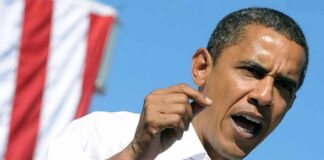
On October 17 in Caro, Michigan, an attendee asked Abdul El-Sayed if he would disavow the Muslim Brotherhood. El-Sayed replied, “Sure, yeah, absolutely,” then challenged the premise as a dual-loyalty insinuation. He compared it to how John F. Kennedy faced questions about his Catholic faith in 1960. The exchange went viral and quickly fed into an already tense Senate race heading into the final stretch before Election Day.
The next day, Republican nominee Mike Rogers leaned into the clip. He said the issue was not El-Sayed’s faith, but the way he thinks and alleged ties to the Muslim Brotherhood. He framed it as an ideological and relationship concern, repeating that theme on national television. He said it was about El-Sayed’s relationship, and his family’s relationship, with the group, not his religion.
How The Claim Spread And Why It Stuck
The allegation did not stay a one-off town-hall moment. Rogers repeated the charge during a CNN appearance on October 18 and again at the October 21 final debate. This kept questions about disavowal, ideology, and alleged family links in front of voters during the campaign’s final days. That repetition can shape public views even when the factual record has not changed in substance.
Coverage from Michigan Public said Rogers offered no documentary evidence tying El-Sayed to terrorist groups. Reports described assertions but provided no records, transactions, communications, or named witnesses proving a link. The claim that El-Sayed had a “family relationship” was not defined in the available reporting. These gaps left the core issue resting on rhetoric rather than public documentation.
What The Video Shows Versus What Voters Heard
The video from Caro shows El-Sayed saying he would disavow the Muslim Brotherhood. He then focused on the idea that the question assumed split loyalties because he is Muslim. Rogers later argued El-Sayed did not really disavow the group, saying the answer was too brief and shifted to a rights argument. That created a split story: one side cites the words on tape; the other says the context undercuts them.
Mike Rogers confronts Abdul El-Sayed over his alleged ties to the Muslim Brotherhood, sparking a heated exchange during Michigan's U.S. Senate debate.
Rogers points to a 2012 letter El-Sayed reportedly signed calling for the removal of Egyptian police officials, questioning his… pic.twitter.com/ddjaSFlLwc
— charlie ward (@charliewwg1wga) October 22, 2026
Short clips on social media amplified different parts of the exchange. Some users highlight the quick “absolutely,” while others focus on the constitutional lecture that followed. This editing choice affects how people judge the exchange. It also feeds a broader concern on both left and right that our politics rewards sound bites, not proof, and that campaigns exploit identity to skip hard policy work.
Why This Matters Beyond One Race
The pattern is familiar. Campaigns press indirect associations when direct proof is thin. Voters want safety and honesty, but also fairness and equal treatment under the law. When officials repeat unproven claims, trust erodes. When candidates answer in ways that feel lawyerly, trust also erodes. The government did not create this clip, but the climate of spin, leaks, and gotcha moments fuels the sense that many in power value winning more than truth.
What Would Clarify The Record Now
Full, unedited video from the Caro event would show tone and sequence for the entire exchange. Specific records, if they exist, that name a relative and document any tie to the Muslim Brotherhood would settle the “family relationship” claim. Without that, voters are left with a viral line and a week of repetition. In a close race, that is enough to move opinions, even when public evidence is lacking.
Sources:
townhall.com, cbsnews.com, usatoday.com, michiganpublic.org, foxwilmington.com