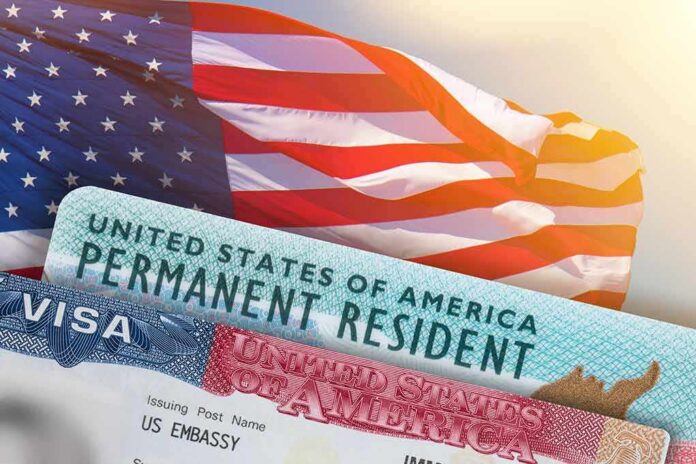
President Trump’s State Department says it has revoked more than 175,000 visas, and most of them were tied to crime or security concerns.
Quick Take
- The State Department says the revocations covered foreign nationals who broke visa rules, committed crimes, or posed security risks.
- Officials said the biggest reasons were assault, driving under the influence, theft, and drug crimes.
- The department also said some visas were pulled for fraud, sexual assault, child abuse, and other serious offenses.
- The total follows a broader Trump administration push to tighten vetting and remove people who abuse the system.
State Department Sets a New Visa-Revocation Mark
The State Department announced that it has revoked more than 175,000 visas under President Trump. The agency said the action targeted foreign nationals who violated visa terms, committed crimes, called for violence against Americans, defrauded Americans, abused the immigration system, or threatened national security.
The department said the majority of those revocations came after law enforcement encounters. It named assault, driving under the influence, theft, and drug crimes as the leading reasons. Officials also said a significant share involved reckless driving, sexual assault, child abuse, fraud, embezzlement, and other crimes.
What the Numbers Show
The new total builds on earlier revocation figures reported this year. In January, reporting said the State Department had already crossed 100,000 visa revocations since Trump returned to office, with thousands of student and work visas among them. That means the pace of removals has stayed high through the rest of the year.
State Department messaging has been blunt. The agency said a visa is a privilege, not a right, and tied the revocations to continuous vetting meant to protect Americans. That message will land well with voters who want immigration rules enforced, not treated like a suggestion.
Why the Action Matters
Federal law gives the State Department broad discretion to revoke visas, and agency guidance says officers may act when a person is no longer eligible, when fraud is found, or when public safety is at risk. That authority explains why visa revocation has long been a powerful tool, but also why it draws scrutiny when the government releases only broad totals instead of case files.
The US State Department has revoked more than 175,000 visas issued to foreign nationals, citing violations of visa conditions, criminal offences, fraud, threats to national security and calls for violence.
Most cancellations followed encounters with law enforcement, with… pic.twitter.com/1P8idomlX1
— News18 (@CNNnews18) August 11, 2026
For now, the key fact is simple: the Trump administration is moving fast, and the State Department says it is using that power to clear out bad actors. Supporters will see that as common-sense enforcement after years of weak borders and soft oversight. Critics will likely keep asking for more detail, but the department’s public case is that these revocations are aimed at criminals and threats, not ordinary travelers.
Sources:
townhall.com, state.gov, reuters.com, visahq.com, everycrsreport.com, instagram.com, nafsa.org, uscis.gov