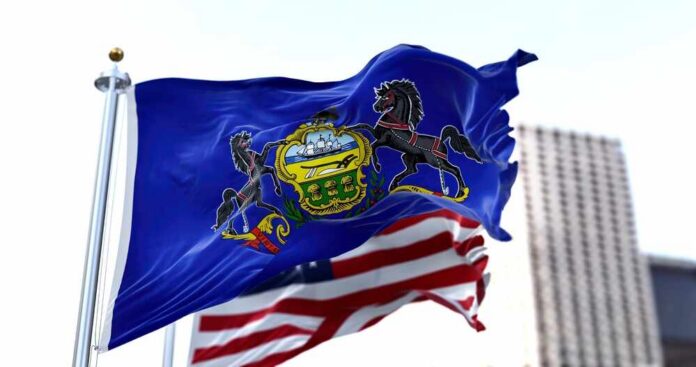
Pennsylvania is becoming the test case for whether Republicans can hold the line in 2026 while voters sour on Washington’s war-and-spending cycle.
Quick Take
- National GOP leaders have warned of a historically tough midterm for the incumbent party, even as Pennsylvania Republicans publicly project calm.
- Polling cited in the research shows Gov. Josh Shapiro in a strong position for reelection, a down-ballot threat to Republicans in swing districts.
- Democrats are targeting multiple GOP-held Pennsylvania House seats that could help decide control of Congress.
- Republicans are split between running on local issues and answering for national conditions—an uneasy mix in a wartime economy.
National Midterm Math Collides With Pennsylvania Reality
RNC Chair Joe Gruters, a Trump ally, has privately and publicly framed 2026 as a brutal midterm environment for the party in power, pointing to the long historical trend that favors the opposition. That warning stands in tension with how many Pennsylvania Republicans presented themselves at the Pennsylvania Society gathering in New York City, where party figures emphasized steadiness and local strategy over national panic.
That split-screen matters because Pennsylvania is not simply another battleground—it is where House control can be won or lost by a handful of seats. The report notes that Democrats are actively targeting several GOP-held districts, while Republicans argue that candidate quality and ground game can still beat national headwinds. The open question is whether voters will treat 2026 as a local referendum or a verdict on the direction of the country.
Shapiro’s Strength Raises the Stakes for Down-Ballot Races
Polling referenced shows Gov. Josh Shapiro with a large net approval advantage and sizable leads in hypothetical matchups. Republican officials quoted in the reporting acknowledge his strength even while insisting surprises are possible. For conservatives, the practical issue is not whether Shapiro runs a disciplined campaign—it is that a popular top-of-ticket Democrat can pull marginal voters toward Democratic House challengers in competitive districts.
This also ties today’s dynamics to recent Pennsylvania history. In 2022, Shapiro’s win was large enough that it helped other Democrats statewide, including in the Senate contest that year. That precedent is why national Democrats are bullish about Pennsylvania in 2026. Even if individual GOP incumbents maintain strong local brands, a lopsided gubernatorial race can reshape turnout, persuasion, and straight-ticket behavior in the districts that decide the House.
Republicans Talk Local Issues, But Voters Feel National Pressure
Pennsylvania Republicans highlighted local concerns—jobs, constituent services, and district-specific priorities—as they looked toward 2026. Rep. Rob Bresnahan, for example, emphasized Northeast Pennsylvania issues and engaged in high-profile district activity. That approach reflects a political reality: candidates can sometimes outperform national brands by staying close to home. But it also reflects a risk: voters often connect their household finances to whoever holds power in Washington.
In 2026, that national pressure is not abstract. The country is in a second Trump term and at war with Iran, it shows broader GOP anxiety about a backlash midterm. For a conservative audience that has spent years battling left-coded cultural demands, inflation, and border failures, the current frustration is more complicated: many voters also expected fewer foreign entanglements and lower energy costs.
Democrats See a Path Through “Incumbent Party” Fatigue
Politico’s reporting describes Republicans worrying about midterm backlash and Democrats framing GOP governance as out of touch, including messaging that tries to link Republicans to controversial national figures and unpopular cuts. Those tactics are standard midterm politics, but Pennsylvania’s map makes them potentially decisive. When only a few seats separate majorities, even modest opinion shifts can flip committee control, investigative power, and the legislative calendar in Washington.
From a constitutional and limited-government perspective, the immediate takeaway is not a single campaign slogan—it is what a midterm loss would empower. House control determines subpoenas, spending negotiations, and the appetite for federal expansion, including the kind of administrative rulemaking conservatives have fought for years. The information does not provide district-by-district polling, so the exact probability of flips is uncertain. But the strategic reality is clear: Democrats believe Pennsylvania is central to their path.
What Conservatives Should Watch Next in Pennsylvania
Three indicators will tell the story as 2026 approaches. First, watch whether Republicans recruit a gubernatorial challenger who can at least keep Shapiro’s margin from becoming a down-ballot tide. Second, track whether competitive House Republicans can localize their races while still defending national governance under wartime conditions. Third, pay attention to turnout mechanics—special elections, registration shifts, and enthusiasm—because Pennsylvania’s closest districts often come down to organization rather than persuasion alone.
Republicans in Panic Mode Over Senate Seat They Thought They’d Flip: 'A Recipe for Losing' https://t.co/EgZknbbRb1
— Mediaite (@Mediaite) March 24, 2026
For voters who supported Trump to stop border chaos and woke overreach, 2026 may become a referendum on something more basic: competence, costs, and whether Washington can prioritize Americans without sliding into another open-ended conflict. It shows Republicans trying to project calm and Democrats trying to nationalize discontent. Pennsylvania will reveal which message lands—and whether the GOP can defy midterm history while keeping faith with its own coalition.
Sources:
Top Pennsylvania Republicans are projecting relative calm amid 2026 national party panic
Republicans midterm backlash fears
The Republican Party faces a bigger crisis than the Democratic Party
Pennsylvania Perspective for Thursday March 12 2026