Defense Secretary Pete Hegseth urged U.S. troops and families to register and vote, citing 300,000 unregistered service members in 2024 and pointing them to official absentee tools.
Story Snapshot
- Hegseth released a video urging military voters to register and cast ballots in 2026.
- He highlighted the Federal Post Card Application and the backup write-in absentee ballot.
- Federal law protects absentee access for service members and eligible family members.
- Military leaders say there are no plans to send troops to polling places.
What Hegseth Told Service Members To Do
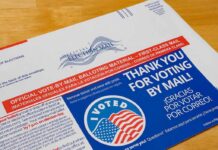
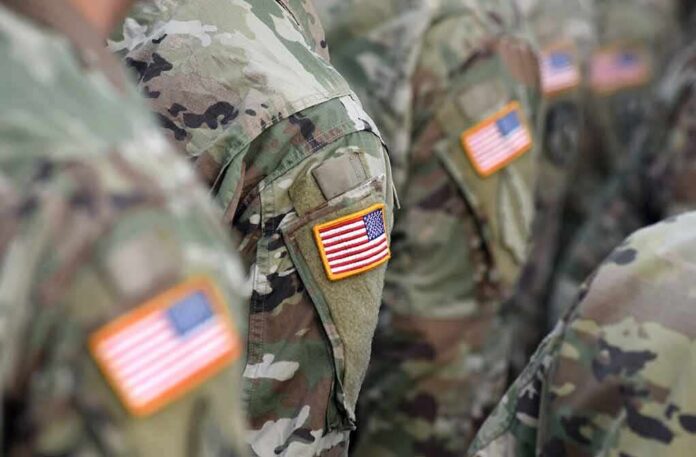
Defense Secretary Pete Hegseth told service members, spouses, and eligible family members to register and vote in the 2026 midterms. He said they can use one federally standardized postcard to both register and request a ballot. He added that deployed voters can use a federal write-in absentee ballot if their regular ballot is delayed. He pointed voters to official resources that guide the process step by step and help meet state deadlines.
The Federal Voting Assistance Program explains that the Federal Post Card Application is the core tool for military absentee voting. It lets military voters both register and request their ballot in one step. The program also provides the Federal Write-In Absentee Ballot as a backup when time is short. These tools are designed to work across all states so that mobile and deployed voters can still cast a valid ballot by mail when needed.
The Legal Guardrails For Military Voting
Federal law known as the Uniformed and Overseas Citizens Absentee Voting Act requires states to support absentee voting for service members, eligible family, and overseas citizens. It sets timelines and access rules tailored to the realities of military life. The act, as updated by later law, also requires states to send requested ballots at least 45 days before a federal election. Those protections aim to reduce missed votes due to deployments or frequent moves.
Military-support sites and service branches point voters to the same playbook. They direct troops to register and request ballots early, use the Federal Post Card Application, and use the federal write-in absentee ballot only as a fallback. They also share contact lines and email help for voters who run into problems with forms or deadlines. The guidance stresses that only one ballot will count if both arrive at a local office.
Why This Push Matters Now
Hegseth flagged a major gap from the last national cycle: about 300,000 service members were not registered in 2024. That number shows how moves, training, and deployments can derail the basics of voting. His message tries to close that gap in 2026 by steering troops to official tools that are already in place. The aim is simple: get registered, get a ballot on time, and return it so the vote counts.
NEWS: Defense Secretary Pete Hegseth is urging service members, military families and overseas voters to register and request ballots ahead of the Nov. 3 midterms, pointing them to the Pentagon’s Federal Voting Assistance Program at https://t.co/lQ7OshjNjI. FVAP is the…
— MDBayNews (@MDBayNews) September 25, 2026
Leaders also addressed a separate concern: the role of uniformed personnel around polling sites. America’s top military officer told Congress there are no plans to send federal troops or federalized National Guard members to polling places in 2026. That statement came after lawmakers asked for clarity on election posture. It underscores a line the military keeps: help eligible voters access ballots, but stay out of election sites and disputes.
What Readers Across The Spectrum Should Watch
Military voting help is not new, but visibility at the top can raise nerves about politics in the ranks. The core facts remain steady. Federal law protects absentee access, the Federal Post Card Application and write-in ballot are standard tools, and commanders are told not to influence choices. The practical test in 2026 will be execution: clear guidance on bases, timely ballot delivery, and ballots returned in time to be counted as intended.
Sources:
thegatewaypundit.com, thehill.com, news.meaww.com, newrepublic.com, pbs.org, militaryonesource.mil