When both parties say our elections are broken, a new citizenship-and-ID voting plan shows just how far Washington is willing to go to “fix” the system — and how much harder it could become for some Americans to vote.
Story Snapshot
- The House passed the SAVE America Act to require photo ID and proof of citizenship for all federal voters.
- Representative Randy Fine says strict rules are needed because noncitizen voting and mail-in ballots are “stealing” elections.
- Research shows documented voter fraud is very rare, raising questions about whether the cure fits the disease.
- Studies and lawsuits warn strict ID and document rules can hit poor and minority citizens hardest.
What Rep. Randy Fine And House Republicans Are Pushing
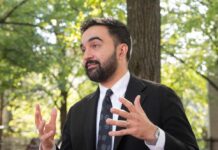
Representative Randy Fine, a Republican from Florida, has made election security one of his top causes in Congress. He co-sponsored the Safeguard American Voter Eligibility Act, often called the SAVE Act, which passed the House in April 2025 and later fed into a broader SAVE America package. Fine says the goal is simple: make sure only United States citizens vote and stop what he calls “cheating” in federal elections. For many frustrated voters on both the right and left, those words tap into deep worries that the political class has rigged the system and stopped listening to them.
The SAVE America Act would set three tough national rules for federal elections. First, every voter would have to show a photo ID to cast a ballot, with no exceptions listed for people who lack one. Second, every person registering to vote would have to provide formal proof of citizenship, such as a passport or birth certificate, instead of just checking a box on a form. Third, the bill would ban mail-in ballots in federal races, which Fine claims have “created a culture of cheating used by Democrats.” Supporters argue these rules are basic common sense; opponents see them as a major shift in how Americans vote.
Supporters Say Tough Rules Restore Trust In A Broken System
Fine and other backers of the SAVE America Act say these steps are needed because trust in elections is collapsing and noncitizen voting is a real threat. They point to the current system, where many voters can register by simply affirming they are citizens, as an “honor system” that invites fraud. By forcing proof of citizenship and ID, they believe they can stop foreigners from voting and block fake ballots before they ever reach a counting room. In their view, if people do not believe the results are honest, the country risks losing its democracy altogether.
These arguments resonate with many conservatives who feel the government turns a blind eye to illegal immigration, looks the other way on fraud, and lets distant “elites” call the shots. They also connect with some independents who see chaotic elections as one more sign that Washington is not serious about basic competence. Polling cited by Republican lawmakers shows broad public support for some form of voter ID, including among many Democrats, which Fine uses to claim opponents are acting against the people’s will. For them, the SAVE America Act is not about partisan gain but about protecting the system itself.
Critics Warn The Cure Could Shut Out Real Citizens
Civil rights groups, election scholars, and many Democrats agree election trust matters, but they argue the SAVE America Act attacks the wrong problem with the wrong tool. Research from the Massachusetts Institute of Technology Election Lab finds that documented voter fraud, including noncitizen voting, is extremely rare in the United States. If very few noncitizens are voting now, they ask, why build an elaborate new national barrier that affects tens of millions of lawful voters? To them, it looks less like fraud prevention and more like a way to shrink the voting pool.
Studies from the University of Wisconsin and other researchers show strict photo ID laws can reduce turnout, especially in heavily minority counties. One analysis found that the turnout drop in overwhelmingly minority counties was several points larger than in mostly white areas after strict ID rules took effect. Legal briefs and reports from groups like the Brennan Center for Justice warn that poor citizens, people without cars, and those born outside hospitals often struggle to obtain passports, birth certificates, or other papers the SAVE America Act would require. For these Americans, the new rules look like doors slamming shut.
A Long Fight Over Who Votes And Who Gets Hurt
The showdown around Fine’s bill fits into a much longer pattern in American politics. Since the Help America Vote Act of 2002, states have steadily added ID rules and other limits in the name of security. Supporters say each new rule protects the system; opponents say each one chips away at the right to vote, especially for Black, Latino, and low-income communities. Courts have struck down some photo ID laws as unconstitutional burdens, while upholding others, leaving a patchwork that is confusing to many voters and fuels anger on both sides.
House Passes SAVE America Act as Part of MUST-PASS National Security Bill — Rep. Thomas Massie Votes No
—House Republicans delivered a major victory for election integrity on Wednesday after passing the National Defense Authorization Act (NDAA) with the SAVE America Act…— Sue Ellen (@SueEllenBelI) July 16, 2026
The research record is also mixed, which adds to the distrust. Some studies, including a major National Bureau of Economic Research paper, report that strict ID laws do not significantly reduce turnout for any racial group. Other studies find clear drops among minorities and low-income voters after such laws take effect. That split gives both sides talking points and leaves regular Americans wondering whose numbers to believe. In a climate where many already feel the “deep state” and party machines put power above principle, new rules on something as basic as voting only sharpen the sense that the system is rigged.
Sources:
feenstra.house.gov, congress.gov, heritageaction.com, electionlab.mit.edu, esra.wisc.edu, docs.house.gov, olemiss.edu, brennancenter.org, supreme.justia.com