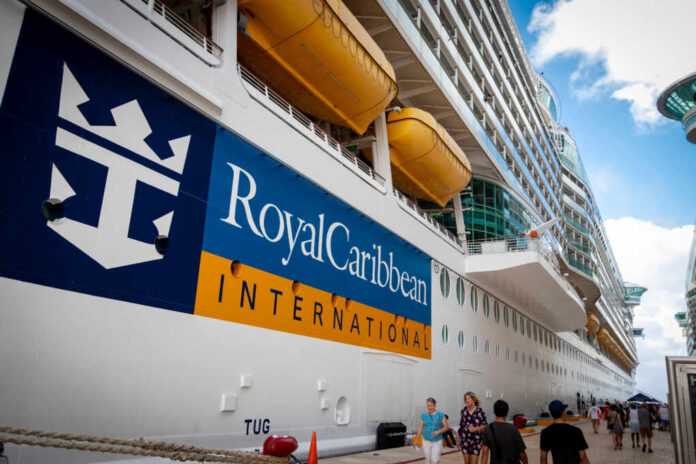
A wrongful death lawsuit filed in federal court accuses Royal Caribbean of overserving a passenger with at least 33 alcoholic drinks, followed by the crew’s use of excessive restraint, including tackling, pepper spray, and a sedative. The incident, which led to the death of Michael Virgil, has raised serious concerns about cruise line accountability, especially in light of the Los Angeles County Medical Examiner’s ruling that classified the death as a homicide.
Story Highlights
- Royal Caribbean faces accusations of overserving alcohol to a passenger, leading to his death.
- The incident raises questions about cruise line safety and accountability.
- The Los Angeles County Medical Examiner ruled the death a homicide.
Allegations of Overservice and Excessive Restraint
Connie Aguilar has filed a wrongful death lawsuit against Royal Caribbean Cruises Ltd., alleging that her fiancé, Michael Virgil, was overserved with at least 33 alcoholic drinks on a cruise from Los Angeles to Ensenada. Despite showing visible signs of intoxication, the crew continued to serve him alcohol. When Virgil became agitated and confused, the crew’s response involved tackling him, using pepper spray, and administering a sedative, leading to his death.
The lawsuit, filed in federal court in Miami, comes on the heels of the Los Angeles County Medical Examiner’s ruling that classified Virgil’s death as a homicide. The medical examiner cited a combination of mechanical asphyxia, obesity, an enlarged heart, and alcohol intoxication as causes. Aguilar seeks unspecified damages and has demanded a jury trial, aiming to hold the cruise line accountable for its alleged negligence.
Man’s Death has been Ruled A Homicide After Royal Caribbean Allegedly Served Him 33 Drinks
pic.twitter.com/YCupAlNJ63— Daily Loud (@DailyLoud) December 9, 2025
Cruise Industry’s Alcohol Culture Under Scrutiny
This lawsuit highlights broader concerns within the cruise industry regarding alcohol service and passenger safety. Cruise lines, including Royal Caribbean, aggressively market alcohol packages and designs ships to maximize alcohol consumption opportunities. This business model, as described in Aguilar’s complaint, prioritizes revenue over passenger safety, creating environments prone to overservice and related incidents.
Past litigation has often focused on overservice leading to onboard accidents and deaths. The Royal Caribbean case stands out due to the high volume of alcohol reportedly served and the subsequent use of force leading to a homicide ruling. Such incidents underscore the need for industry-wide reform and stricter regulations on alcohol service and security protocols.
Legal and Operational Implications for Royal Caribbean
The lawsuit not only poses reputational risks for Royal Caribbean but also brings potential legal consequences. With the case still in its early stages, the cruise line has not publicly responded to the allegations, but it faces significant pressure to review its alcohol service and security practices. If proven negligent, the financial and regulatory repercussions could be substantial, prompting changes across the cruise industry.
Ultimately, this legal battle represents a critical juncture for cruise lines, passengers, and regulators. It raises essential questions about passenger safety, corporate responsibility, and the balance between profit and protection on the high seas.
Watch the report: Cruise ship passenger dies; fiancée sues, saying he was served 33 drinks in hours
Sources:
A woman sues Royal Caribbean over her fiance’s death on a cruise ship
Lawsuit claiming cruise passenger had 33 drinks questionable: Lawyer
Royal Caribbean passenger who died on board cruise ship was served 33 drinks, lawsuit claims – CBS News
From happy hour to final hours: Man dies after being served ‘at least’ 33 drinks on cruise; wife files lawsuit – The Times of India