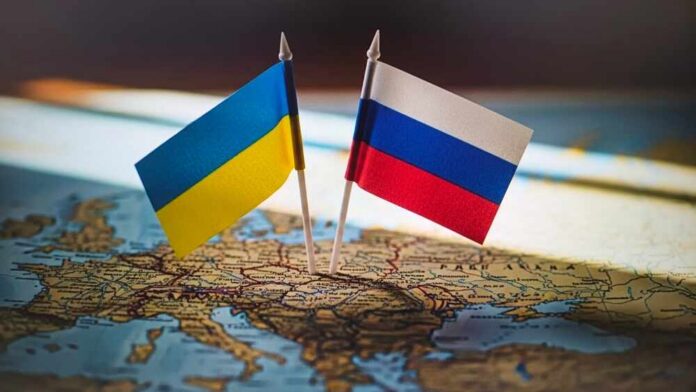
As Washington drifts and the war grinds on, Trump’s back‑to‑back calls with Putin and Zelensky hint at peace talks driven less by “the experts” and more by a president who says he just wants people to stop getting killed.
Story Snapshot
- Trump spoke separately with both Putin and Zelensky on his 80th birthday, with all sides saying peace was a key topic.
- Kremlin and Ukrainian readouts describe “friendly” talks and plans to keep discussing possible steps toward ending the war.
- No ceasefire, treaty, or concrete peace deal has been announced, and the White House has not released its own detailed readout.
- The episode highlights how elite-managed war drags on while leaders talk in secret, feeding public distrust on both left and right.
Trump’s Birthday Calls: What Actually Happened
Russian President Vladimir Putin and Ukrainian President Volodymyr Zelensky each held a separate phone call with President Donald Trump on Sunday, as he turned 80 and world leaders prepared for the Group of Seven summit in France.[2] Kremlin aide Yuri Ushakov said the Putin call lasted just under an hour and included Trump “once again” calling for an end to the war in Ukraine.[2] Zelensky later said on Telegram that he had a “wonderful conversation” with Trump and thanked him for supporting Ukraine.[2]
Ushakov told reporters that Trump stressed the need to end hostilities and said he was ready to “influence European allies and Kyiv” to move toward that goal at the summit.[2] The Kremlin also said the two discussed a possible agreement with Iran, which Trump described as close to being finalized.[2] On Ukraine, Putin repeated that if Zelensky wanted to meet him, “let him come to Moscow,” an offer Zelensky has long rejected as too favorable to Russia’s terms.[1] Both leaders framed the tone as friendly and open.
Zelensky’s Readout and Hints of a G7 Follow‑Up
After his own call, Zelensky told the public they had “a very good conversation” with Trump that went far beyond birthday greetings, covering the war’s roots, diplomatic options, and partner countries’ positions.[5] He said they discussed “what could help bring peace closer now” and that Ukraine’s position on the eastern front line had improved.[2] Zelensky added that he and Trump agreed to “discuss more during our meeting at the G7 summit,” signaling at least a plan for follow‑up talks among major powers.[2]
For many Americans watching from afar, this is the kind of basic diplomacy they assumed Washington was always doing: leaders talking directly about how to stop a brutal war instead of just sending more weapons and money. Yet the fact that Zelensky, not the United States government, gave the fuller public account underscores how little transparency Washington offers its own citizens. People who already doubt the foreign policy establishment see more proof that crucial choices about war and peace are made out of sight.
Signals of Peace – But No Concrete Deal Yet
So far, these calls have not produced a verified ceasefire, treaty text, or formal peace roadmap. All the public record shows is leaders saying they want peace, promising to keep talking, and tying the discussion to the upcoming G7 summit.[1] The White House has not issued a detailed readout of either call, leaving reporters to rely on statements from Moscow and Kyiv, which both have reasons to present the talks as productive whether or not real progress was made. That thin record feeds claims on both sides about what Trump did or did not achieve.
Supporters point to Trump’s long‑standing line that “they should get it done” and that he wants people to stop getting killed as proof he is trying to act as a peacemaker. Critics answer that his influence is unproven without documents, transcripts, or clear terms, and they note that the Kremlin talked as much about Iran as Ukraine.[4] Ordinary Americans are left in the middle, watching another round of big headlines and vague promises while the war – and the bills – keep going.
Why This Episode Hits a Nerve with Both Left and Right
Many conservatives see these calls as proof that direct leader‑to‑leader talks are still possible when Washington’s bureaucracy and global institutions seem to prefer endless conflict. They hear a U.S. president telling both Putin and Zelensky that the war needs to end and offering to push European partners, and they wonder why the permanent foreign policy class has not produced something similar sooner.[2] To them, this looks like a challenge to a global system that profits from war and chaos.
Shortly after Trump took separate calls with both Putin and Zelensky today https://t.co/jCf6FpTXAI
— Robbie Gramer (@RobbieGramer) June 15, 2026
Many liberals, meanwhile, share a different but overlapping worry. They see a major foreign crisis being handled through private phone calls, with no detailed White House readout and heavy reliance on spin from Moscow and Kyiv.[1] For people already angry about “back‑room deals” and elite self‑protection, this feels like another example of power being exercised without clear accountability. Both camps can agree on one thing: the federal government still struggles to tell the full truth about what it is doing in America’s name.
What to Watch Next and Why It Matters
The key questions now are simple and sharp. First, does the promised G7 follow‑up between Trump and Zelensky really happen, and does it involve any direct push on Russia’s side?[2] Second, do we see any concrete changes after these calls, such as new ceasefire talks, prisoner swaps, or limits on certain strikes?[1] Without visible results, many will dismiss this as another round of “phone call diplomacy” that makes good headlines but does not stop the bleeding.
At the same time, the fact that Putin and Zelensky each chose to speak with Trump, and then publicly praised parts of those talks, shows that even bitter enemies still see value in American involvement.[2] That should remind citizens that they have a stake in how their leaders use that influence. A government that truly serves the people would be honest about what is on the table, instead of asking them to trust a process run by the same elites who have already let this war, and many others, drag on for years.
Sources:
[1] Web – PEACEMAKER IS BACK: Trump Speaks With Both Putin and Zelensky, Appears …
[2] Web – Trump speaks with Putin and Zelenskyy as war in Ukraine rages on
[4] Web – Putin, Zelensky Discuss Ukraine, Iran Wars With Trump
[5] YouTube – Trump and Putin Discuss Ukraine Conflict, Iran Agreement Said to …