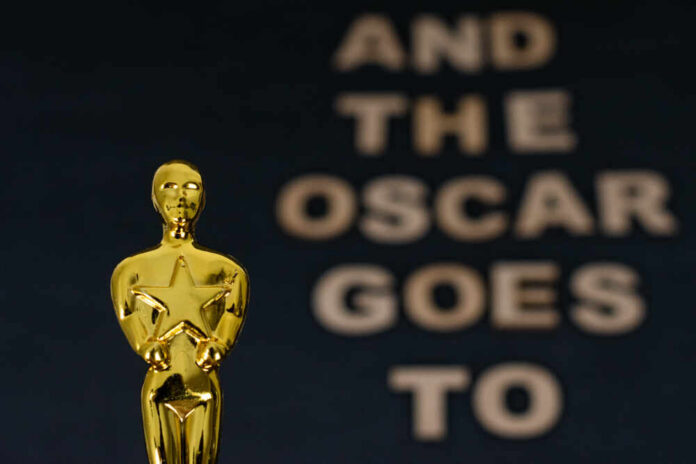
Hollywood’s biggest night is now guarded like a high-value target—because America’s enemies don’t care about celebrity glamour, they care about maximum chaos on global TV.
Story Snapshot
- LAPD and federal partners are preparing the largest Oscars security operation on record for the March 16, 2026 ceremony at the Dolby Theatre.
- Planning is driven by elevated terrorism concerns tied to the U.S. conflict with Iran and a recent string of domestic incidents cited by authorities and media reports.
- Officials describe a one-mile security perimeter, heavy barricades, controlled entry points, and a major focus on counter-drone monitoring.
- Authorities say heightened measures are precautionary; but no confirmed, event-specific credible threat.
Unprecedented Deployment Around the Dolby Theatre
Los Angeles officials are treating the March 16, 2026 Academy Awards as a major security operation, with at least 500 police officers assigned and specialized units staged in and around the venue. Plans described by multiple outlets include SWAT teams, bomb squad capability, and sharpshooters positioned to cover key areas near the Dolby Theatre. The visible posture is meant to deter attacks and rapidly respond if a threat materializes during the televised event.
It also points to a larger-than-normal security footprint that will affect more than just the red carpet. A one-mile buffer zone around the theater is expected to restrict movement, harden access points, and complicate any attempt to approach the site with a vehicle. For local residents and businesses, that perimeter means traffic disruption and intense screening. For viewers at home, it’s another reminder that everyday public life now includes counterterror precautions.
Counter-Drone Systems Take Center Stage
Security planning for the Oscars is putting unusual emphasis on the sky above Hollywood, reflecting how quickly threats have evolved beyond traditional perimeter control. Reports describe counter-drone technology and active airspace monitoring as primary concerns, with specialized units watching for unmanned aircraft near the venue. That focus tracks with broader fears that small drones can be used for surveillance, disruption, or worse—tactics that bypass street barricades and can be launched from a distance.
Reporting has received “unverified information” that Iran allegedly aspired to conduct surprise UAV attacks from vessels off the West Coast, targeting unspecified California locations in response to U.S. strikes. That kind of warning can drive smart prevention, but it also highlights a basic reality: officials often must plan for worst-case scenarios without being able to publicly disclose detailed intelligence.
Iran War Context and Domestic Incidents Raise the Threat Temperature
The Oscars security surge is being framed against a tense geopolitical backdrop, with reporting tying the heightened posture to the U.S. military conflict with Iran and the risk of retaliatory action. Other recent incidents cited in coverage—such as violence at a Virginia university, an attack on a Michigan synagogue, and a failed ISIS-linked bombing attempt in New York—add to the sense that authorities are operating in an elevated threat environment across the country.
One television report cited a Department of Homeland Security warning about coded short-wave radio messages broadcast from Tehran that could “activate” Iranian-backed sleeper cells in the U.S., though available public reporting does not provide independent confirmation or details sufficient to evaluate that claim. The key point for Americans is more practical than political: when agencies say vigilance is required, major public events become magnets for layered security, surveillance, and rapid-response planning.
What “Biggest Ever” Security Means for Liberty and Public Trust
Law enforcement and Academy leadership have stressed that the goal is to keep attendees and the public safe while allowing the show to run on schedule. Organizers have also indicated they want people outside barricades to feel protected and welcome, not treated like suspects. That balance matters because high-profile security operations inevitably expand monitoring, checkpoints, and controlled zones—tools that can be necessary, but that also test public patience when they become a permanent feature of American life.
There are no known credible, specific threats targeting the Oscars themselves, even as the overall threat picture remains heightened. That distinction is important for public confidence: big deployments can be a sign of professionalism and preparation, but they can also signal how fragile public safety feels in 2026. For a country that values normal life without constant lockdown culture, the best outcome is simple—strong defense, no incident, and no new “temporary” restrictions that quietly become routine.
For viewers, the Oscars may look like an entertainment broadcast, but the security posture described in current coverage treats it as critical infrastructure for the night—high visibility, symbolic value, and enormous media impact if something goes wrong. Whether Americans love or loathe Hollywood politics, the deeper takeaway is bipartisan: public events increasingly require serious defensive planning because adversaries look for soft targets and headline moments. The hope is that deterrence works, and the perimeter never gets tested.
Sources:
LA Police heighten security for Oscars amid terror threat
Oscars terrorist threat: SWAT and anti-drone security
Oscars security amid war concerns