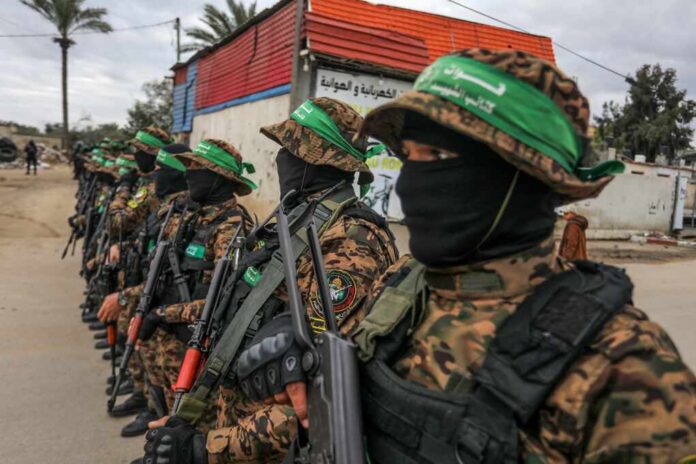
A series of exchanges involving Israeli hostages and Palestinian prisoners is currently taking place, facilitated by a US-brokered ceasefire agreement. This development follows the October 7, 2023, attack by Hamas.
Story Highlights
- Hamas has returned an Israeli hostage’s body as part of a US-brokered ceasefire.
- The group has stated intentions to return remaining captives and bodies in exchange for thousands of Palestinian prisoners.
- Reports of misidentification of returned remains have caused distress for families.
- The agreement was brokered with the involvement of President Trump’s diplomatic team.
- Latest Exchange in Ongoing Agreement
Hamas has transferred another Israeli hostage’s body to Israeli authorities while publicly committing to the return of remaining captives held since the October 7, 2023 attack. This exchange is part of a US-brokered ceasefire agreement that includes the release of both living hostages and deceased victims in return for Palestinian prisoners. This process highlights the ongoing complexities and sensitivities surrounding the exchanges.
🟡 IDF representatives informed the family of Eliyahu Margalit that he has been brought back for burial.
According to the information and intelligence available to the IDF:
Eliyahu Margalit, 75, was murdered by the Hamas terrorist organization on October 7th, 2023, and his body… pic.twitter.com/4blCMx5E1D
— Israel Defense Forces (@IDF) October 18, 2025
Agreement Facilitated by US Diplomacy
The current hostage-prisoner exchange agreement was brokered by President Trump’s diplomatic team, including Secretary of State Marco Rubio. The deal involves the release of approximately 2,000 Palestinian detainees in exchange for all surviving hostages and remaining bodies. Egypt and Qatar are acting as additional mediators, with the International Red Cross facilitating the transfers to ensure proper handling.
Challenges in Identification Process
Israeli authorities have reported difficulties in the body return process, including initial misidentifications and instances where remains did not belong to hostages. The Shiri Bibas case has been cited as an example of these complications, where families received incorrect information regarding their loved ones. These issues have added to the trauma experienced by families awaiting news of their relatives.
Ceasefire Agreement Faces Challenges
The current agreement remains delicate, with ongoing disagreements concerning aid deliveries and prisoner lists potentially jeopardizing its progress. Hamas continues to use the remaining captives for political leverage, while Israel faces significant domestic pressure to secure the return of all hostages. Security analysts caution that either side could perceive unfairness in the deal, potentially leading to a resumption of hostilities and making the temporary peace vulnerable.
This series of exchanges marks a significant point following Hamas’s October 7 attack, which resulted in approximately 1,200 Israeli fatalities and 250 individuals being taken into Gaza. While families seek resolution, the handling of this humanitarian situation underscores ongoing tensions.
Watch the report: Hamas returns bodies of four dead Israeli hostages, 24 still in Gaza
Sources:
Israel and Hamas strike hostage exchange deal, keeping ceasefire intact
Israel-Hamas hostage-prisoner exchange
Israel, Hamas poised for third hostage-prisoner exchange
Hamas and Israel set for hostage and prisoner exchanges
Hamas and Israel set to begin hostage and prisoner exchanges
Hamas and Israel set hostage and prisoner exchanges
Hamas and Israel prepare for major hostage-prisoner exchange under US-brokered deal
Hamas Israel to begin fifth hostage-prisoner exchange