Leaked internal reports have brought to light the possibility of a two-day mass killing in Iran so extensive that the true scale remains difficult to grasp, even for seasoned observers. Citing documents from the IRGC Intelligence Organization and Interior Ministry data, one report alleges more than 36,500 deaths during a January 8–9, 2026 crackdown. These figures stand in sharp contrast to the Iranian government’s official claim of 3,117 deaths, highlighting a vast information gap exacerbated by an internet blackout that severely limited independent verification. The dispute over the casualty count—ranging from thousands to tens of thousands—places the incident among the deadliest state crackdowns on civilian protests in modern history.
Story Highlights
- Iran International reported more than 36,500 deaths during a January 8–9, 2026 crackdown, citing leaked IRGC Intelligence Organization documents and Interior Ministry data.
- Other tallies vary sharply, from Iran’s official claim of 3,117 deaths to activist and medical-source estimates ranging from thousands to tens of thousands.
- An internet blackout during the peak violence limited independent verification and helped obscure events on the ground.
- Rights groups and UN-linked reporting describe mass detentions and widespread injuries alongside the killings.
What the “36,500 in Two Days” Claim Is Based On
Iran International’s investigation said classified documents from the IRGC Intelligence Organization, dated January 22 and January 24, recorded more than 36,500 deaths during the January 8–9 crackdown. The outlet also cited Interior Ministry data describing clashes in more than 400 cities and roughly 4,000 locations. Those claims, if accurate, would make the incident one of the deadliest state crackdowns on civilian protests in modern history, with implications far beyond Iran’s borders.
Time and other reporting referenced hospital-based estimates in the range of roughly 30,000 to 36,500 deaths over the same two days, but those figures were described as unverified and limited by lack of independent access. The Iranian government’s public numbers were drastically lower. The gap between leaked-document reporting, hospital accounts, and official statements is central to understanding what outside analysts can responsibly claim—and what remains impossible to confirm from afar.
🚨I told @i24NEWS_EN that for those of us who didn’t live through the early years of the Islamic Republic, like the 1988 massacre, the scale of the brutality we’re seeing today is shocking. Even by the regime’s own standards, this is unprecedented: more than 36,000 killed.… pic.twitter.com/7bTJNlR6HZ
— Navid Mohebbi نوید محبی (@navidmohebbi) January 25, 2026
How Protests Reached a Flashpoint—and Why Verification Is Hard
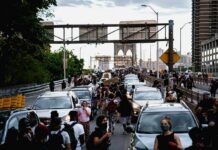
Reports described protests beginning in late December 2025 after sharp economic deterioration, including the rial’s collapse and worsening inflation pressures. As unrest spread, multiple accounts said security forces escalated tactics, culminating in January 8–9 violence amid an internet blackout that cut off real-time documentation. That blackout is not a small detail: when video, communications, and rapid reporting disappear, casualty estimates become dependent on leaked data, medical staff accounts, and later compilation efforts.
Open-source tracking and activist reporting provided smaller—but still staggering—figures as investigations continued. HRANA reporting summarized deaths in the tens of thousands overall, with a portion “confirmed” and a larger number “under review,” alongside tens of thousands of detentions. Those categories matter because they show the difference between identified victims and suspected or indirectly reported deaths. The research also notes that no international investigative team had full access, limiting the ability to reconcile lists, records, and burial documentation.
Competing Death Tolls: Official Iran vs. Activists vs. International Reporting
Iran’s government acknowledged only 3,117 deaths by January 21, while Supreme Leader Ali Khamenei was reported to have referenced “several thousand” dead in a January 17 speech. Between those statements and the higher estimates sit several other figures: UN-linked reporting cited a broad range of roughly 5,000–20,000, and other summaries cited hospital-source estimates above 30,000 for the peak days. The result is an information battlefield shaped by propaganda, fear, and restricted access.
Some reporting also alleged “shoot-to-kill” orders and the involvement of IRGC and Basij forces in the crackdown. The strongest sourcing in the research for the very highest numbers relies on leaked internal documents and opposition media reporting, which can be valuable but difficult for outsiders to authenticate. More conservative tallies still describe a large-scale massacre, and they align with prior patterns of severe repression seen in earlier Iranian protest waves, even if the precise January 8–9 total remains disputed.
Why This Matters to Americans Watching a Hostile Regime
Iran is not simply a domestic human-rights story; it is a strategic challenge that affects regional stability, energy markets, and U.S. security interests. The reported crackdown underscores what happens when a regime faces mass dissent and responds with force rather than reform. For Americans who care about individual liberty and limited government, the episode is a grim reminder of how quickly state power can become openly lethal when leaders control courts, media, weapons, and communications at once.
The research does not provide detailed, verified breakdowns of casualties by location beyond select examples, and it emphasizes that internet restrictions and lack of independent access keep key facts unsettled. Still, the core picture is consistent across multiple sources: nationwide unrest, extreme state violence, mass detentions, and a death toll that ranges from “thousands” to “tens of thousands,” depending on the source. The unresolved question is not whether a major atrocity occurred, but how large it was.
Watch the report: Iran’s Hidden Bloodbath: Leaked Reports Claim 36,500 Killed In Crackdown
Sources:
- Over 36,500 killed in Iran’s deadliest massacre, documents reveal
- Iran opposition outlet says regime killed over 36,000 people on January 8-9 | The Times of Israel
- Iran protest crackdown killed more than 36,500, classified documents show
- Deadly massacre: Over 36,500 allegedly killed by Iranian state personnel between Jan 8-9