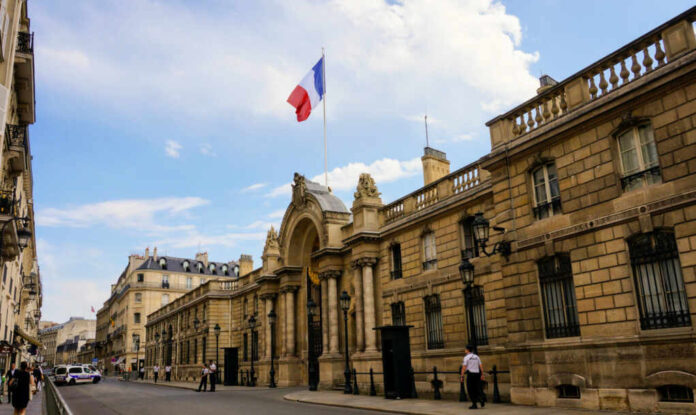
A trusted insider at France’s Élysée Palace exploited his position as inventory manager to systematically steal around 100 priceless national treasures, including Sèvres porcelain and Baccarat glasses, valued at up to €40,000. The arrest of Tomas M. and his two accomplices, Damien G. and Gislen M., for the months-long scheme has exposed alarming security lapses at the heart of presidential power and highlights a growing wave of insider threats and cultural thefts sweeping through French heritage sites. The recovered items have been returned, and the suspects await trial in February 2026.
Story Highlights
- Élysée Palace inventory manager Tomas M. arrested for stealing ~100 high-value items worth €15,000-€40,000, including Sèvres porcelain and Baccarat glasses.
- Two accomplices, Damien G. and Gislen M., aided resale attempts on platforms like Vinted; all items recovered and returned.
- Thefts concealed through manipulated records, triggered by Sèvres factory spotting items online.
- Suspects under judicial supervision ahead of February 2026 trial, facing up to 10 years in prison.
- Incident highlights rising insider threats amid France’s museum theft wave, including the Louvre heist.
Insider Betrayal at the Élysée
Tomas M., the Élysée Palace employee tasked with silverware and tableware inventory, systematically removed high-value items over months. He stole Sèvres porcelain from the state-owned factory since 1759, silver cutlery, René Lalique statuettes, Baccarat champagne glasses, and copper cookware marked “French Air Force.” These pieces, used in state banquets, symbolize French heritage and are not available to the public. Tomas M. manipulated inventory records to hide the thefts, aided by accomplices Damien G. and Gislen M.
Elysee Palace silver steward arrested for stealing thousands of euros’ worth of silverware https://t.co/BPCIy3aApD pic.twitter.com/IATQAfCxPE
— Toronto Sun (@TheTorontoSun) December 21, 2025
Discovery and Swift Police Action
Sèvres factory staff recognized their unique porcelain on online auction sites like Vinted, alerting Élysée Palace authorities. Palace officials reported the discrepancies, prompting Paris police to question staff and zero in on Tomas M. Searches of his home, car, and locker recovered around 100 items valued at €15,000 to €40,000. The three suspects faced immediate detention. Prosecutors filed charges of theft and handling stolen goods, imposing judicial supervision with bans on contact, auctions, and palace duties.
Broader Security Crisis in French Heritage Sites
This scandal unfolds amid a surge in cultural thefts, including the October Louvre jewelry heist of €88 million in Napoleonic items and another unresolved museum robbery hours later. The Élysée breach underscores vulnerabilities when insiders abuse trusted access for profit. Palace reputation suffers as French citizens question protections for national symbols. Resale platforms now face scrutiny for enabling such crimes. Short-term measures include security reviews; long-term reforms may demand stricter vetting.
Legal Consequences and Path Forward
As of December 21, 2025, all recovered items returned to Élysée Palace. Paris Prosecutor’s Office oversees the case, with trial set for February 2026. Penalties could reach 10 years imprisonment and €150,000 fines. Suspects’ motivations centered on resale profits, exploiting personal ties. Palace staff statements implicated Tomas M., affirming institutional power over individual greed. This case signals urgent needs for inventory controls in heritage institutions.
France’s political elite now confronts systemic weaknesses, mirroring concerns conservatives raise about government oversight failures. Just as President Trump’s administration prioritized accountability and efficiency in 2025, exposing waste and betrayal anywhere demands vigilance to safeguard public trust and assets. Limited official quotes available, but reporting consensus highlights inadequate protections at power’s core.
Watch the report: Elysée Heist: How Porcelain Vanished in Plain Sight
Sources:
- Élysée Palace silver steward arrested in theft of thousands’ worth of silverware
- Élysée Palace staff member accused of stealing tableware worth up to €40,000 | France | The Guardian
- Élysée Palace staff member to stand trial over theft of precious tableware
- Élysée Palace Silver and Tableware Stolen by Steward, Prosecutors Say – The New York Times