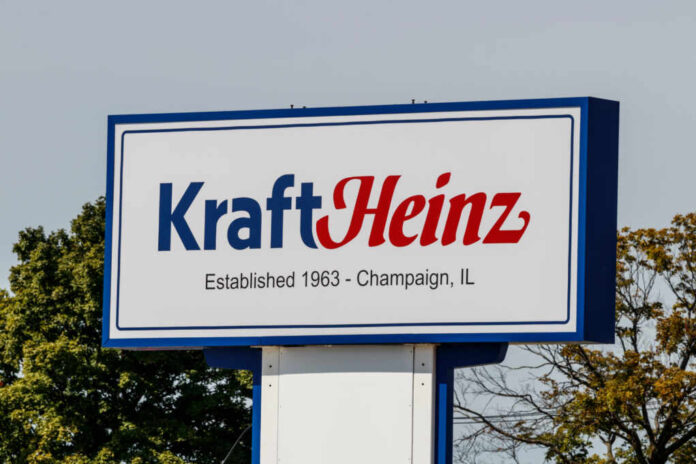
Kraft Heinz has announced that it will split into two separate publicly traded companies in the second half of 2026, aiming to sharpen strategic focus and unlock shareholder value.
At a Glance
- The company will be divided into “North American Grocery Co.” (legacy brands like Oscar Mayer, Kraft Singles, Lunchables) and “Global Taste Elevation Co.” (Heinz Ketchup, Kraft Mac & Cheese, Philadelphia).
- CEO Carlos Abrams-Rivera will lead North American Grocery Co.; a new CEO is being sought for the Global Taste Elevation entity.
- The split follows a decade of struggles adapting to shifting consumer preferences away from heavily processed foods; Kraft Heinz’s revenue fell approximately 3% in 2024.
- Shareholders will receive shares in both companies tax-free; analysts see potential cost savings of up to $300 million from the separation.
Background and Strategic Rationale
The 2015 merger of Kraft Foods and H.J. Heinz, facilitated by Warren Buffett’s Berkshire Hathaway and 3G Capital, created one of the world’s largest food manufacturers. However, the anticipated gains in scale and efficiency didn’t materialize. The company struggled with revenue declines, lagging behind peers and broader markets.
Changing consumer trends—favoring fresher, less processed foods— further eroded demand for many of Kraft Heinz’s traditional products. In response, the firm launched initiatives like reduced-sugar Capri Sun and nitrate-free hot dogs, and committed to removing artificial colours from all U.S. products by 2027.
Watch now: Kraft Heinz Prepares To Break Itself Up
Split Structure and Potential Impacts
The demerger will form two new entities with distinct brand portfolios and leadership:
North American Grocery Co. will manage familiar everyday staples like Oscar Mayer and Kraft Singles, under the leadership of current CEO Carlos Abrams-Rivera.
Global Taste Elevation Co. will include high-recognition brands like Heinz Ketchup and Kraft Mac & Cheese, with a new CEO to be appointed.
The restructuring is expected to finalize in the second half of 2026. Analysts estimate that the split could generate up to $300 million in annual cost synergies. Shareholders will benefit from receiving shares in both companies in a tax-efficient manner.
Broader Industry Context
This move is part of a broader wave of corporate demergers within the food and beverage sector. Similar restructurings at Kellogg and Keurig Dr Pepper reflect a broader industry trend toward streamlining operations and sharpening brand focus.
Although Berkshire Hathaway remains the largest shareholder (holding about 27%), it reportedly opposed the split. Still, the board elected to proceed, prioritizing strategic realignment and corporate agility over maintaining the merged structure.
Sources