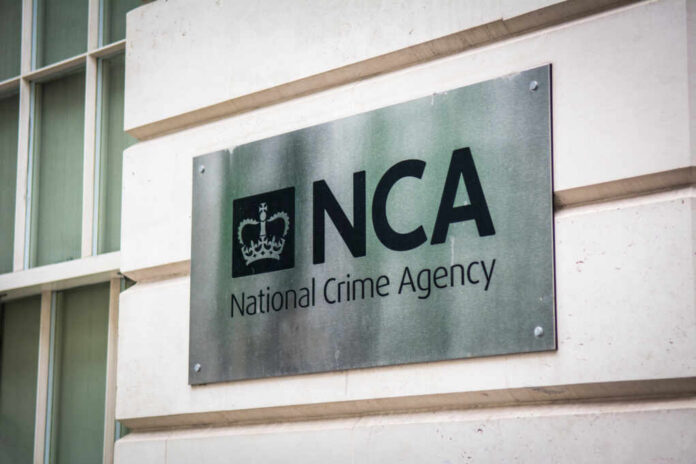
The establishment of the National Crime Agency (NCA), often dubbed the “British FBI,” signifies a momentous transformation in UK law enforcement. This initiative, spearheaded by then Home Secretary Theresa May, consolidated multiple crime-fighting bodies into a single, centralized command to tackle serious and organized crime more effectively. While positioned as a formidable force against national and international criminal networks, its creation has ignited a significant debate over constitutional principles, specifically the potential erosion of traditional local policing autonomy in favor of a national authority.
Story Highlights
- The NCA centralizes UK law enforcement, merging multiple agencies into one.
- Theresa May, as Home Secretary, spearheaded this initiative.
- The agency’s creation has evoked comparisons to the FBI in the United States.
- Concerns exist over centralization and its impact on local policing traditions.
Formation of the National Crime Agency
In an unprecedented move, the UK government launched the National Crime Agency (NCA) on April 25, 2013, aiming to consolidate multiple law enforcement functions under a single command. Dubbed the “British FBI,” this agency seeks to tackle serious and organized crime with a unified approach. The initiative, overseen by then Home Secretary Theresa May, emerged from a necessity to streamline national crime-fighting efforts, reflecting a shift towards centralized law enforcement.
The NCA has absorbed several agencies, including the Serious Organised Crime Agency (SOCA) and the Child Exploitation and Online Protection Centre (CEOP), while taking over border policing from the UK Border Agency. This restructuring aims to enhance efficiency and effectiveness in combating crimes that transcend local jurisdictions. By centralizing intelligence and operational capabilities, the NCA aspires to provide a more coordinated response to national threats.
A new National Police Service will unite the capabilities of @NCA_UK and @TerrorismPolice under one force to tackle terrorism, fraud and organised crime.
So local forces can protect their community, and national policing can protect us all. pic.twitter.com/iycrYdFF26
— Home Office (@ukhomeoffice) January 25, 2026
Operational Structure and Command
The NCA operates under a clear chain of command, reporting directly to the Home Secretary. It comprises distinct operational commands focusing on organized crime, border policing, economic crime, and child exploitation, complemented by the National Cyber Crime Unit. Keith Bristow was appointed as the first Director General, tasked with leading this ambitious project. The agency’s formation reflects a strategic effort to harness multi-agency intelligence capabilities, positioning it as a formidable force against national and international criminal networks.
Despite its promising framework, the NCA’s centralization has sparked debate. Critics, including the Metropolitan Police, have raised concerns about the erosion of local policing autonomy and the potential costs of transferring counterterrorism duties. While the Home Affairs Select Committee supported counterterrorism integration, concerns about operational costs led to the decision being postponed, highlighting the complex power dynamics at play.
Impact and Implications
Since its inception, the NCA has significantly influenced UK law enforcement, enhancing coordination and intelligence sharing among national and local agencies. It has been instrumental in producing the national threat assessment, offering a comprehensive view of serious and organized crime across the country. This intelligence is crucial for police forces and other agencies in formulating effective crime-fighting strategies.
However, the agency’s role as a centralized body raises questions about the balance between national authority and local policing traditions. The NCA must navigate these challenges while maintaining public trust, a cornerstone of the UK’s “policing by consent” philosophy. As it continues to evolve, the NCA’s impact on the country’s law enforcement landscape will remain a focal point of discussion among policymakers, law enforcement professionals, and the public.
Watch the report: Home Office to launch ‘British FBI’ to deal with serious crime UK-wide (UK) 25/Jan/2026
Sources:
- Home Office to launch ‘British FBI’ to deal with serious crime UK-wide | Police | The Guardian
- ‘British FBI’ will free up forces to tackle everyday crime, home secretary says
- ‘British FBI’ to tackle national crime in major police overhaul
- 43 police forces slashed to 12 regional units in radical British FBI overhaul | The latest National and International News