Satellite images reveal Afghanistan’s devastating earthquake left behind a staggering 40,500 truckloads of debris, exposing the Taliban’s inability to handle disaster response without relying on international aid agencies and UN coordination.
Story Highlights
- 6.0-magnitude earthquake killed 2,200+ people and destroyed thousands of homes in remote Afghan mountains
- Over 40,500 truckloads of debris remain scattered across inaccessible terrain as winter approaches
- UN agencies lead recovery efforts while Taliban authorities depend on international expertise and funding
- Families sleep outdoors without shelter as aid workers race against harsh weather conditions
Massive Debris Field Overwhelms Response Capabilities
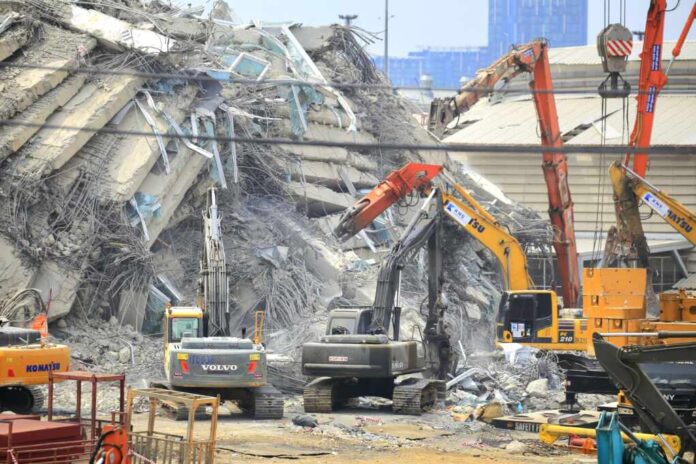
The August 31 earthquake in Kunar province generated an unprecedented debris field requiring over 40,500 truck loads for removal. Satellite imagery captured by international agencies shows entire mountainous villages reduced to rubble, with mud and stone construction proving catastrophically vulnerable to seismic activity. The United Nations Development Programme reports families remain exposed to elements while basic services stay disrupted across the region.
The earthquake in eastern Afghanistan killed 2,200+, injured 3,600+, and destroyed 7,000+ homes. Through local partner AWEC, World Vision has provided hundreds of households with blankets, hygiene kits, and stoves. Many villages remain unreachable. pic.twitter.com/u8c8zCaU92
— World Vision Afghanistan ورلد ویژن افغانستان (@WVAfghanistan) September 16, 2025
Taliban Government Struggles with Limited Recovery Resources
Taliban authorities deployed helicopters and ground teams to reach isolated communities, but their response capacity remains severely constrained. Local officials coordinate with UN agencies while relying heavily on international technical expertise and funding streams. The regime’s governance capabilities face testing as displaced populations require immediate shelter and infrastructure reconstruction before winter conditions worsen throughout eastern Afghanistan’s mountainous terrain.
International Agencies Drive Technical Response Operations
UNDP leads debris removal coordination using satellite data and remote sensing technology to prioritize response locations. Aid workers traverse mountain paths on foot to reach communities where destroyed infrastructure prevents vehicle access. The organization’s Devanand Ramiah emphasizes swift action requirements, stating debris removal and reconstruction operations must commence safely and immediately to prevent additional casualties from exposure.
Watch the report: DEVASTATING! Afghanistan 6.0 Earthquake Kills Over 2,200 — Villages Wiped Out Completely
Winter Weather Threatens Exposed Population Survival
Thousands of earthquake survivors face life-threatening conditions as temperatures drop across Afghanistan’s eastern provinces. Community-driven recovery models adapted from previous disasters guide current reconstruction planning, though implementation depends on international support scaling. Environmental safeguards and sustainable debris recycling present additional challenges requiring coordinated management between Taliban authorities and humanitarian organizations operating under strict operational constraints.
The crisis underscores Afghanistan’s seismic vulnerability stemming from its location at Indian and Eurasian tectonic plate collision zones, where frequent earthquakes compound existing infrastructure weaknesses and governance limitations affecting disaster preparedness throughout the region.
Sources:
Afghan earthquake death toll jumps to more than 2,200, say Taliban | Afghanistan | The Guardian
Afghanistan earthquake death toll rises to 2,200