

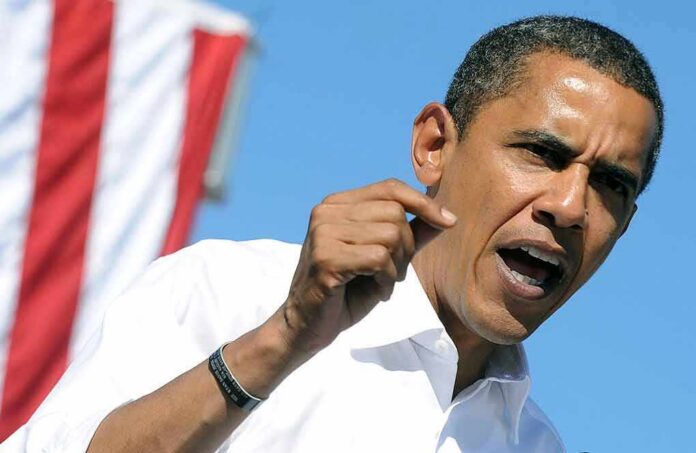
Barack Obama mocked President Trump’s $200–$300 million White House ballroom plan as a vanity project while prices squeeze families, sharpening a clash over priorities grounded in real dollars and timelines.
Story Snapshot
- Obama blasted Trump’s focus on a large new White House ballroom amid high living costs.
- The White House announced a 90,000-square-foot, 650-seat ballroom, first priced at $200 million.
- Trump says private donors will cover the cost and that the venue is long overdue.
- Public estimates later rose to about $300 million as construction advanced.
What Obama Said And Why It Hit A Nerve
Barack Obama used a sharp line to say President Trump belongs on a home makeover show, not leading on costs that hit families. His point was simple. A giant ballroom looks out of touch when groceries, rent, and power bills still feel high. Obama tied that image to a wider theme. He said leaders should fix prices and basic services first. The quip landed because it linked style to spending and called out a choice that many see as upside down.
Obama’s criticism played into a broader worry shared by voters on both sides. Many believe the federal government serves the powerful first. A lavish project at the White House can feel like proof. Supporters of the ballroom see it as normal upkeep and a legacy space. Critics see a symbol of elites serving themselves. The clash is not just about décor. It is about whether leaders are focused on kitchen-table costs or ceremonial upgrades.
What The Ballroom Plan Actually Includes
The White House announced a new 90,000-square-foot state ballroom with seating for about 650, describing it as a “much-needed” addition on White House grounds. Reports the same day put the estimated cost at about $200 million, with work to begin in September 2025. An official presidential statement in October 2025 said ground had been broken and framed the project as separate from the main residence. The project size and price drew national attention from the start.
Trump and aides said private donors, including the president, would fund the ballroom. They argued no taxpayer dollars would be used. They also said presidents have wanted a larger, secure event space for generations, since the current East Room holds roughly 200 people at most. As the plan moved forward, outside outlets and briefings tracked rising public estimates tied to the scope and finishes, which fed questions about cost control and oversight.
Rising Price Estimates And Funding Claims
Public estimates climbed as the project advanced. Reports and press briefings cited a price moving from about $200 million to about $300 million within months, reflecting design changes and scale. Supporters said the project was still privately financed and on track. Critics asked whether related security, maintenance, or staffing could bring hidden public costs later. The funding debate became a proxy for trust. Voters want clear numbers and proof when sums this large are in play.
The White House’s case rests on three claims. First, the nation needs a proper presidential venue for state events. Second, private money shields taxpayers. Third, a better facility will serve future presidents and reduce strain on smaller rooms. Obama’s pushback focused on timing and priorities, not only dollars. He argued that the spotlight should be on lowering costs for families now, not on a signature space that feels like a status project during a cost-of-living squeeze.
How This Fits A Long History Of White House Changes
Presidents have long changed the White House to meet new needs. Major renovations under Harry Truman were urgent and structural, and other presidents added or updated spaces over time. Today’s fight turns on whether this ballroom is essential or discretionary. The history shows change is normal. The current dispute asks if this change, at this scale and moment, puts image over impact. That is why the ballroom has become a stand-in for a larger debate about leadership focus.
For many Americans, the bottom line is simple. Leaders should prove they can manage big projects with clean books and honest updates. They should also show how choices help regular people. Clear funding documents, independent oversight, and public reporting would help settle nerves here. If private money truly covers the build and future costs, the records should show it. If not, Obama’s jab will stick because it reflects a deeper fear: that the show matters more than the service.
Sources:
youtube.com, whitehouse.gov, npr.org, cnn.com, usafacts.org, apnews.com, krgv.com, pbs.org, washingtonpost.com, yahoo.com