A short video clip from September 22 now drives a debate over whether Minnesota Attorney General Keith Ellison branded his opponent’s voters “bigots and racists,” or drew a starker line between values and prejudice.
Story Snapshot
- A video shows Ellison asking if “the bigots and the racists” will vote, sparking backlash.
- At an October 16 debate, Ellison denied calling all opponents racist or bigoted.
- Ron Schutz says Ellison insulted his supporters, including family members.
- No full, neutral transcript of the September 22 event is publicly available.
What the September 22 Video Shows and Why It Matters
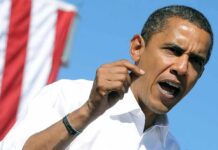
Townhall reported that Ellison, at the Minneapolis Convention Center on September 22, spoke about a close race and turnout. He asked whether people who support “freedom and justice” would vote, “or will the bigots and the racists show up and vote?” The outlet linked the line to voters backing Republican Ron Schutz. The clip is short and does not include a full program transcript. The report anchors claims from critics that the insult targeted opposing voters.
Ellison’s phrasing did not put “Republicans” or “independents” in the same sentence as “bigots and racists.” Supporters say that matters. They argue he contrasted values, not entire parties. Critics answer that context supplies the subject. Ellison had just framed the race as a “base election” and mentioned polling. They say that makes “the bigots and the racists” sound like a label for the other side’s base in a live campaign setting.
What Ellison and Schutz Said in the Televised Debate
During the October 16 debate hosted by PBS’s Almanac, Schutz pressed the point. He said Ellison called his supporters “racist and bigots,” naming his wife, children, friends, and mother. Ellison pushed back. He said he urged people who value freedom, justice, and mercy to vote, and did not accept the charge that he smeared all who oppose him. The exchange showed sharp disagreement but did not settle the meaning of the clip.
The debate record shows what each candidate claimed on stage. It does not add a full transcript from September 22. That gap keeps the dispute alive. Schutz and allied outlets present the clip as proof of a broad insult. Ellison points to his words as a call to his base, not a blanket attack. Without a longer recording, both sides lean on the same short lines to make opposing points.
Past Statements and Why Listeners Hear It Differently
Critics also cite Ellison’s 2017 comment that the Republican Party was “the party of racism,” even though he said not every Republican is racist. They argue that background colors how people hear the 2026 line. Ellison’s allies reply that the 2017 qualifier matters and shows he distinguishes between parties and all individuals. The older remark does not prove intent in 2026, but it shapes perception in a charged climate.
Political research finds that broad party statements are often heard as attacks on everyone in the group. Generic claims like “the bigots and the racists” can be read as global, even if the speaker means a subset. That gap fuels anger, hardens views, and deepens distrust. Voters on left and right recognize this pattern. Many feel leaders score points while dodging real work on costs, crime, and fairness in the system.
Why This Dispute Reflects a Bigger Breakdown
This fight is about more than one sentence on a stage. It shows how short clips, partisan framing, and missing transcripts let competing stories spread fast. People see what confirms their view and write off the rest. That cycle serves the loudest voices while problems grow. When leaders paint rivals as evil, they make it harder to work on shared concerns, like safe streets, honest budgets, and a chance to rise through effort.
Clear records would help. A complete September 22 video and transcript could show the lead-up, the tone, and the crowd’s response. That would not erase hurt, but it would ground the talk in facts. Until then, voters can set a higher bar. Demand plain language that names policies and tradeoffs, not people as enemies. Hold both sides to that standard. The country needs light, not more heat, to fix what is breaking trust.
Sources:
townhall.com, pbs.org, wral.com, radio.foxnews.com