A Senate hearing meant to hash out health costs instead turned into a live display of how Washington’s oversight culture can collide with actual reform—right as the Trump administration tries to rewire who gets paid in American medicine.
Quick Take
- Sen. Elizabeth Warren confronted HHS Secretary Robert F. Kennedy Jr. in a Senate Finance Committee hearing on President Trump’s 2027 budget, with a sharp exchange centered on vaccine access.
- Separate reporting highlights an unusual overlap between Kennedy, Trump health official Dr. Mehmet Oz, and Warren on curbing industry influence over physician payment rules that can discourage primary care.
- The administration’s proposal targets a long-standing pay imbalance in which primary care doctors earn substantially less than specialists, a gap often blamed for worsening shortages.
- The clash underscores a recurring pattern in federal governance: even when both parties identify the same structural problem, partisan warfare and interest-group pressure can stall solutions.
Warren-RFK Jr. Budget Hearing Erupts Over Vaccine Access
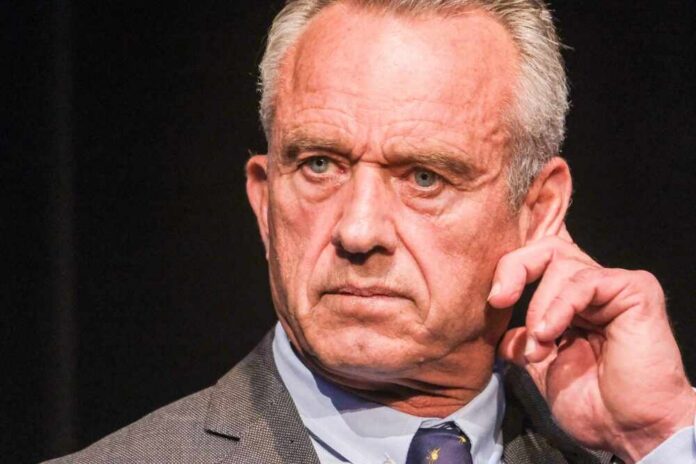
Sen. Elizabeth Warren pressed HHS Secretary Robert F. Kennedy Jr. during an April 22, 2026 Senate Finance Committee hearing tied to President Trump’s 2027 budget request, producing a heated back-and-forth over access to COVID-19 vaccines and related shots. The exchange put Kennedy on defense as Warren framed her questioning around whether the department’s decisions could limit availability. The moment reflects the larger dynamic of divided trust in public-health institutions after years of politicized pandemic debates.
That confrontation matters beyond political theater because it signals where Democrats are most likely to concentrate oversight pressure: administrative control points that can shape what patients can get, and when. Republicans may argue that Democratic attacks often read as obstruction, especially when they focus on process and messaging during budget season. Democrats counter that the Senate’s job is to scrutinize executive choices. Either way, the hearing shows how quickly “health care costs” talk can pivot into ideological conflict.
A Rare Point of Overlap: Breaking Industry Control of Payment Rules
At the same time Warren has sparred with Kennedy over vaccines and ethics questions, reporting also describes an unusual alignment on a different front: reducing the power of industry groups over how doctors are paid. The policy argument centers on a basic incentive problem in medicine—when primary care is paid far less than specialty care, fewer doctors choose it, and access suffers. That’s one of the few areas where anti-establishment populists and progressives can point to the same culprit: captured systems.
The administration’s reform push, as described in policy coverage, aims to increase payments for primary care by reshuffling a system that currently rewards specialists much more, despite comparable years of training. Supporters argue that the pay disparity fuels shortages and makes it harder for families—especially in rural and underserved communities—to get basic appointments, preventive care, and chronic-disease management. Opponents, including specialty-aligned organizations, have historically resisted payment shifts that could reduce specialist revenue streams.
What the “Lower Costs” Claim Gets Right—and What’s Still Unclear
The social-media framing that Kennedy “called out” Warren for criticizing an effort to “lower health care costs” overlaps with the payment-reform argument, but it does not clearly show a direct, newly issued Kennedy quote about “lowering drug prices” in the hearing exchange itself. Instead, the strongest is a dispute over vaccine access paired with separate, more technocratic reporting on payment reform. Making it hard to tie all claims to one specific line from the hearing without overreaching.
Still, the underlying logic is straightforward: incentives drive behavior, and behavior drives cost and access. If payment reform strengthens primary care, patients may rely less on emergency rooms for routine needs, and early treatment may prevent expensive complications later. Conservatives typically prefer reforms that fix incentives and reduce bureaucracy rather than expanding centralized control. Liberals often agree on targeting “industry influence,” but prefer broader federal guarantees. The catch is that both approaches tend to collide with lobbying power.
The Ethics Dispute Lingers in the Background of Oversight Fights
Warren’s aggressive posture toward Kennedy did not begin this week. Earlier reporting from 2025 describes Kennedy responding to scrutiny about ethics questions linked to fees from litigation connected to an HPV vaccine lawsuit, saying he would stop collecting those fees while other questions remained. That earlier episode explains why Warren’s questioning often expands beyond policy into credibility and governance. For skeptical voters across the spectrum, repeated ethics controversies reinforce the belief that Washington’s rules rarely apply equally to insiders.
JUST NOW: RFK Jr. calls out Sen. Elizabeth Warren for criticizing the administration's push to lower health care costs for the American people – telling her Congress has more power to help consumers than he does.
WARREN: “You and Donald Trump are actually making the problem… pic.twitter.com/9ylgMHB9GV
— Fox News (@FoxNews) April 22, 2026
For the Trump administration, the political test is whether it can keep the focus on structural cost drivers—payments, incentives, and access—without getting pulled into endless proxy battles over identity, trust, and institutional power. For Warren and Democrats, the test is whether oversight produces concrete protections or simply raises the temperature. If both parties truly see the federal health apparatus as vulnerable to capture, the public will measure them by outcomes: shorter waits, lower costs, and fewer gamesmanship hearings.
Sources:
https://www.theargumentmag.com/p/rfk-jr-dr-oz-and-elizabeth-warren
https://www.cbsnews.com/video/watch-warren-and-rfk-jr-clash-over-vaccine-access/