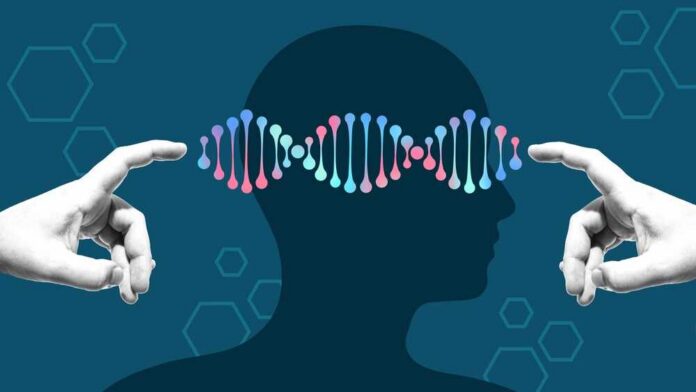
Groundbreaking research reveals a protein central to ALS and dementia also drives cancer mutations, exposing how federal health bureaucracies overlooked this critical connection for decades while millions suffered without effective treatments.
Story Highlights
- TDP-43 protein regulates DNA repair mechanisms, with dysfunction causing both neurodegenerative diseases and cancer mutations
- Houston Methodist researchers confirmed the protein’s dual role affects 97% of ALS patients and 50% of frontotemporal dementia cases
- Discovery unifies separate fields of cancer and neurodegeneration research, creating new therapeutic targets after years of failed treatments
- Preclinical models successfully reversed damage, offering hope where government-funded research previously delivered only symptom management
Protein Discovery Bridges Two Disease Categories
Researchers at Houston Methodist Research Institute identified TDP-43 as a critical regulator of DNA mismatch repair, a mechanism that prevents mutations during cell division. Dr. Muralidhar Hegde’s team demonstrated that when TDP-43 malfunctions, it simultaneously damages neurons in ALS and frontotemporal dementia while increasing mutation rates that fuel cancer development. The protein’s loss or overexpression disrupts the body’s ability to fix DNA errors, validated through patient tissue samples and cancer databases. This discovery fundamentally changes understanding of diseases previously treated as unrelated conditions.
Government Research Finally Catches Up
Twenty years after scientists identified TDP-43 aggregates in 2006, NIH researcher Dr. Michael Ward and University College London’s Professor Pietro Fratta mapped exactly how TDP-43 depletion corrupts UNC13A messenger RNA, impairing synaptic function critical for nerve communication. Their CRISPR studies revealed mechanisms that government health agencies should have prioritized immediately, given ALS remains fatal with no cure. The protein appears in 97% of ALS cases, 50% of frontotemporal dementia patients, and subsets of Alzheimer’s, Parkinson’s, and chronic traumatic encephalopathy cases, representing millions of Americans abandoned by bureaucratic inertia.
DNA Damage Mechanism Exposes Regulatory Failures
TDP-43 normally regulates RNA splicing and polyadenylation, processes that determine which genetic instructions cells follow. When TDP-43 aggregates instead of functioning properly, it causes intron retention and cryptic exon inclusion in hundreds of neuronal genes, Stanford researchers confirmed. This disruption accumulates DNA damage in brain cells, triggering the paralysis and cognitive decline characteristic of ALS and dementia. Houston Methodist’s work showed overactive TDP-43 also drives the genomic instability behind cancer mutations, a connection federal research failed to investigate despite evidence dating back decades. The revelation underscores how compartmentalized government science misses critical patterns affecting American families.
New Targets Emerge After Wasted Years
Preclinical models demonstrated reversing TDP-43-related damage through UNC13A mRNA correction, DNA repair modulation, and reduction of STAUFEN-1, a protein University of Utah neurologists identified as preventing DNA damage-induced cell death in ALS models. Professor Fratta announced plans for UNC13A trials, finally moving beyond decades of symptom management that left patients without meaningful options. QurAlis Corporation targets related STMN2 pathways, translating academic discoveries into potential treatments. These advances arrive only after private research institutions and universities prioritized mechanism-based approaches over the bureaucratic preference for incremental studies that consume taxpayer dollars without delivering cures.
Scientists discover ALS protein that links DNA repair to cancer and dementia
A protein tied to ALS and dementia may have a much bigger role in disease than scientists realized. Researchers found that TDP43 controls a key DNA repair process, but when the protein becomes…
— The Something Guy 🇿🇦 (@thesomethingguy) March 15, 2026
The convergence of cancer and neurodegeneration research through TDP-43 creates diagnostic opportunities via biomarkers that could identify at-risk patients before irreversible damage occurs. Long-term implications extend beyond ALS and frontotemporal dementia to Alzheimer’s, Parkinson’s, and traumatic brain injuries where TDP-43 pathology appears. Economic impacts include reduced burden from fatal diseases currently lacking treatments, alongside biotech investment opportunities that empower private sector innovation over government-controlled research agendas. For families watching loved ones decline from ALS or dementia, these discoveries represent the first substantive hope after years of false promises from federal health bureaucracies more concerned with process than results. The shift from symptom management to mechanism-based drugs validates the power of transparent, competitive research unencumbered by regulatory gatekeeping.
Sources:
Mechanistic Discovery Could Lead to New Treatment Target in ALS Dementia – BioSpace
New Research Discovers Dementia-Linked Protein’s Role in DNA Mistakes – ecancer
New ALS Treatment Target Identified – University of Utah
Scientists Discover Dementia-Linked Protein May Also Fuel Cancer Mutations – SciTechDaily
DNA Damage in ALS-FTD Neurons – Frontiers in Molecular Neuroscience