

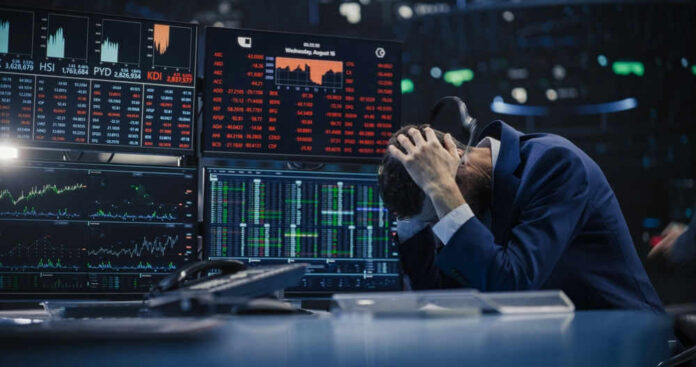
Wall Street’s sharp drop, led by artificial intelligence stocks and hotter inflation, warned that easy money and big-tech momentum no longer shield the market.
Story Snapshot
- Major indexes slid as investors dumped artificial intelligence shares and braced for sticky inflation.
- S&P 500 and Dow confirmed corrections, signaling a broad repricing beyond tech.
- Traders weighed higher-for-longer interest rates and new tariff risks on top of the artificial intelligence unwind.
- Recent swings fit a familiar pattern when profit hopes meet higher discount rates.
Stocks Slide As Artificial Intelligence Trade Unwinds
Reuters reported that United States stocks fell again as selling hit artificial intelligence names and spread across the market. The S&P 500 and the Dow closed in correction territory, which means more than a ten percent drop from record highs. The weakness followed a high-profile artificial intelligence listing that failed to calm nerves. Investors questioned whether artificial intelligence profits will meet the lofty hopes that drove this year’s rally. The slide hit many sectors, not just technology leaders.
Follow-on reports said the Nasdaq and S&P 500 also struggled as investors pulled back from artificial intelligence-linked shares. Traders waited for fresh inflation data that could shape the Federal Reserve’s next steps. Market commentary added that tariff fears and policy signals also weighed on sentiment. This mix of pressures made buyers cautious. The past week showed quick rebounds fading fast as headlines turned to costs, trade rules, and tighter financial conditions.
Inflation And Rates Pressure High-Growth Valuations
Hotter inflation raised the odds that rates stay high for longer, which hurts high-growth stocks most. When rates are higher, future profits are worth less today. That math hits companies priced on big growth years ahead. Analysts noted this pattern in many past cycles when discount rates rose and momentum cooled. The artificial intelligence theme still has strong backers, but the market must now square big hopes with higher borrowing costs and slower demand in some areas.
Global markets also felt the strain. Reuters described a broader selloff from stocks to key commodities as investors reassessed risk. Asian shares fell as tariff threats and a fading tech rally spread overseas. These moves showed how tightly linked the artificial intelligence supply chain is across regions. Chipmakers, cloud builders, and data center suppliers all depend on steady capital, open trade, and stable energy and materials prices. Shifts in any of those inputs ripple through prices quickly.
What The Pullback Means For Everyday Investors
For regular savers, the message is simple: rapid gains can reverse when costs rise and cash is not cheap. History shows markets often pause when central banks fight inflation and financing gets pricier. Some stretches look brutal but are part of normal cycles. The current drop reflects a reset in expectations, not proof that innovation is fake. The key questions now are earnings delivery, spending plans for data centers, and how long inflation keeps rates high.
Many readers on the left and right see a system that favors insiders while families face rising bills. This week’s action will not change that view. Higher rates squeeze mortgages, car loans, and small businesses. Big firms with cash can ride out storms, while smaller players struggle to fund growth. Tariff talk adds more uncertainty for workers and consumers who already face high prices. Policymakers should focus on clear rules, sound budgets, and fair competition to rebuild trust.
Sources:
insiderpaper.com, reuters.com, rmb.reuters.com