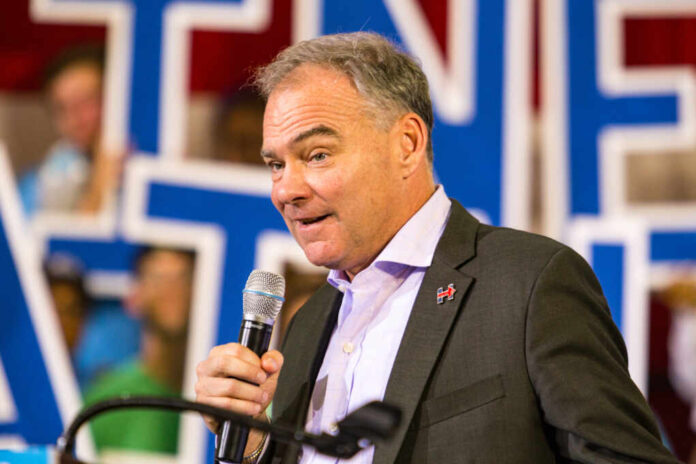
Senate Democrats raise alarms as Trump’s ambassador nominee faces backlash for past associations with a Holocaust denier.
Story Overview
- Bill White, Trump’s nominee for ambassador to Belgium, is scrutinized for past social media activity.
- White reposted content from Dries Van Langenhove, convicted of Holocaust denial.
- Senate Democrats, led by Tim Kaine, question White’s judgment and suitability.
- The controversy highlights the importance of vetting digital footprints for diplomatic nominees.
White’s Social Media Controversy
In July 2025, the Senate Foreign Relations Committee examined Bill White’s nomination as U.S. ambassador to Belgium. White’s past social media activity had come under fire when it was revealed he reposted content from Dries Van Langenhove, a Belgian politician recently convicted of Holocaust denial. This act, seen as a significant lapse in judgment, raised questions about White’s suitability for a sensitive diplomatic role, especially in a country like Belgium, where Holocaust denial is a criminal offense.
During the confirmation hearing, Senator Tim Kaine underscored the gravity of White’s actions, stressing the need for historical awareness and sound judgment in diplomatic appointments. White defended himself by claiming ignorance of Van Langenhove’s background at the time of the repost. Nevertheless, he faced criticism for failing to thoroughly vet the content he chose to amplify on social media, a reflection of broader concerns about digital conduct among political nominees.
For those seeking context, I am sharing a video of Senator Kaine’s full statement. If anything, he sounds worse than the shorter clip portrays.
This statement was made during a confirmation hearing yesterday. In his opening statement, Riley Barnes, nominee for Assistant… pic.twitter.com/9O5TxbB8xs
— Laura Powell (@LauraPowellEsq) September 4, 2025
Implications of the Controversy
This incident has broader implications for U.S. diplomatic appointments. The scrutiny of White’s social media activity underscores the necessity for careful vetting processes, especially in a digital age where online actions can have international repercussions. The controversy also raises concerns about U.S. credibility abroad and the potential strain on relations with European allies, particularly regarding sensitive issues like antisemitism and historical memory.
The ongoing debate over White’s nomination highlights the polarized nature of U.S. politics, with Senate Democrats continuing to express reservations about his fitness for the role. The situation reinforces the importance of aligning diplomatic conduct with the values and legal standards of host countries, an essential consideration for maintaining strong transatlantic relations.
Looking Ahead
As White’s confirmation remains pending, the outcome will likely set a precedent for how digital footprints are evaluated in future diplomatic appointments. This case serves as a reminder of the significant impact that past online behavior can have on current political and diplomatic roles. It also emphasizes the need for continuous awareness and sensitivity regarding historical issues, particularly in regions with strict legal frameworks concerning Holocaust denial.
While White tries to garner support, citing his advocacy for veterans and LGBTQ rights, the controversy remains a focal point in discussions about the responsibilities and expectations of U.S. diplomats in a globally connected world.
Watch the report: Tim Kaine Calls Out Trump’s Ambassador Nominee For Allegedly Reposting Holocaust Denier
Sources:
Democrat calls out Trump’s nominee to Belgium for supporting convicted ‘Holocaust-denier’
Trump’s pick for US ambassador to Belgium criticised over Holocaust denier links