New York City’s mayor chose a highly public show of solidarity with detainees at Rikers Island—and the backlash is forcing voters to ask who City Hall is really prioritizing as crime fears remain high.
Story Snapshot
- Mayor Zohran Mamdani, NYC’s first Muslim mayor, visited Rikers Island to break his Ramadan fast (iftar) with Muslim inmates and join them in prayer.
- The visit included Department of Correction Commissioner Stanley Richards and Councilman Yusef Salaam, with the mayor calling it one of the most meaningful evenings of his tenure.
- Critics, including an NYPD veteran and conservative commentators, blasted the appearance as pandering and accused the mayor of neglecting crime victims.
- The controversy is colliding with Mamdani’s broader public-safety agenda, including moves tied to Rikers closure and changes to how NYC handles 911 responses.
What Happened at Rikers—and Why It Became a Flashpoint
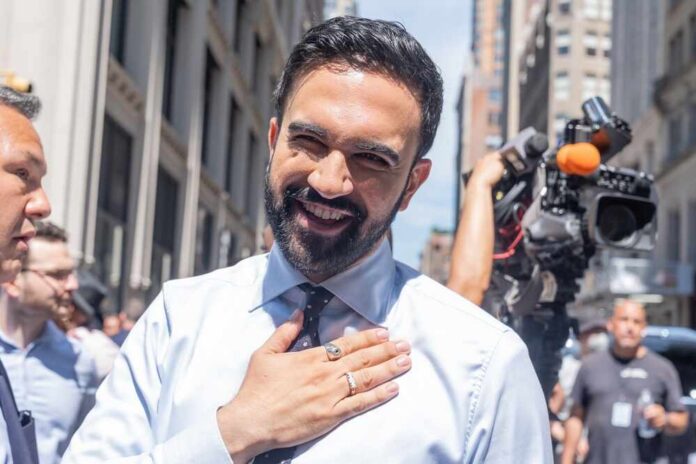
Mayor Zohran Mamdani visited the Rikers Island jail complex on March 20 to observe Ramadan with Muslim detainees, participating in prayer and sharing an iftar meal. Accounts describe a secured room where prayer mats were laid out, religious study materials were present, and detainees spoke with the mayor about their lives. Mamdani later described the evening as deeply meaningful and framed it around dignity and community.
The immediate political problem was not the existence of Muslim religious observance in custody—religious practice is a protected right—but the optics of a mayoral photo-op inside a notorious jail while the city continues to debate public safety. Some coverage emphasized that Rikers holds people awaiting trial and not only those convicted, yet the mayor’s critics argued the gesture still signaled misplaced sympathy in a system associated with violent offenders and chronic disorder.
Backlash Focuses on Victims, Policing, and City Hall Priorities
Criticism intensified as images and commentary spread online, with opponents describing the visit as “disgusting” and “ridiculous,” arguing the mayor should be seen with victims and law-abiding New Yorkers instead. A veteran NYPD voice cited in coverage said the mayor had not visited victims and treated the event as pandering. This dispute is less about Ramadan itself and more about trust: whether the administration is aligned with public safety or with a reform-first worldview.
Rikers Closure Politics and the Real Policy Stakes Behind the Symbolism
The Rikers event landed in the middle of an active fight over jail policy and the future of detention in New York City. Plans to close Rikers have circulated for years, and reporting says Mamdani is advancing that goal through new staffing and executive actions tied to a borough-based jail transition. Supporters argue that change is overdue because the facility has a long history of dysfunction; opponents counter that closing Rikers without credible capacity and accountability can weaken deterrence and erode order.
Another pressure point is the administration’s broader public-safety posture, including initiatives described as limiting police involvement in certain 911 responses. Critics see that approach as part of the same ideological trend that followed earlier progressive reforms and left many neighborhoods feeling unprotected. Supporters say it is about right-sizing responses and reducing unnecessary police encounters. It does not quantify expected outcomes, leaving the public to judge largely by past experience and present-day conditions.
Religion, Civic Leadership, and Constitutional Lines New Yorkers Should Watch
Mamdani defended the moment as an expression of faith and identity, describing it as simply being a “Muslim New Yorker.” In a diverse city, elected officials commonly attend cultural and religious events, and nothing in the coverage indicates the mayor ordered special treatment beyond the visit itself. The constitutional concern for many readers is not free exercise—religious freedom is foundational—but whether government leaders use public institutions for messaging that undermines confidence in equal justice and basic public order.
NYC Mayor Zohran Mamdani Visits Criminals on Rikers Island for Ramadan https://t.co/XOYWSuVT7u
— Twitchy Updates (@Twitchy_Updates) March 24, 2026
For conservatives watching from outside New York, the story also fits a broader national mood in 2026: voters are exhausted by ideological pageantry at home while the country wrestles with serious threats abroad, including a war with Iran and debates inside the MAGA coalition about foreign entanglements and alliances. That doesn’t make a city-jail iftar a national-security issue, but it does explain why symbols of “softness” on crime can trigger outsized reactions during a moment when Americans are demanding seriousness, order, and restraint.
Sources:
NYC Mayor Faces Backlash for Ramadan Meal at Rikers Island
New York City mayor celebrates Ramadan with inmates at Rikers Island
Mamdani ignites social media outrage after photo op at notorious NYC jail: ‘F-ing ridiculous’