Israel’s destruction of the last usable bridge over Lebanon’s Litani River has effectively boxed in tens of thousands of civilians—showing how modern war can sever daily life with a single strike.
Quick Take
- The Lebanese army says the Qasmiyeh Bridge near Tyre was the final operational Litani River crossing and its destruction isolated areas south of the river.
- Lebanese officials estimate roughly 100,000 people are now cut off from key routes to Sidon and Beirut, complicating supplies, aid, and evacuation.
- Israel argues the bridge strikes are meant to block Hezbollah movement and weapons transfers in a long-running border conflict.
- By late March 2026, reports indicate all bridges over the Litani were hit, intensifying fears in Lebanon of a wider ground operation.
What Happened at Qasmiyeh—and Why It Matters
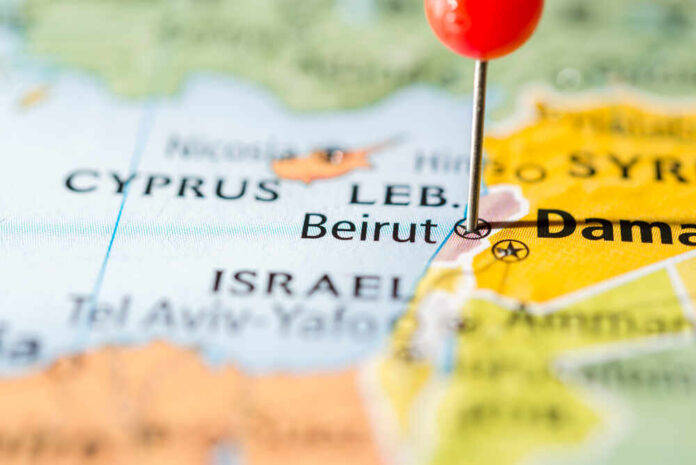
Lebanon’s army reported that Israeli forces struck the Qasmiyeh Bridge (also spelled Kasmiyeh), leaving it unusable and cutting the last functional route across the Litani River in southern Lebanon near Tyre. With that crossing gone, access north toward Sidon and Beirut is sharply restricted. Local reporting described repeated past damage followed by patchwork repairs, but the latest strikes were severe enough to halt traffic and normal logistics.
For civilians, bridge destruction is not an abstract battlefield detail. It can determine whether groceries arrive, whether hospitals can be reached, and whether families can evacuate quickly. The Lebanese army’s warning focused on isolation south of the river, with estimates around 100,000 people affected by the cutoff. Separate reports also described collateral damage near the strike area, including impacts to electricity infrastructure and nearby businesses and farmland.
Israel’s Stated Rationale: Blocking Hezbollah Logistics
Israel’s explanation centers on Hezbollah, which has long operated in southern Lebanon and is accused by Israel of using transportation routes for fighters and weapons. In that context, bridges become more than civilian infrastructure; they become potential military corridors. Israeli officials have described the strikes as part of a broader effort to prevent movement across the Litani and to limit Hezbollah’s ability to resupply and reposition forces during ongoing escalation along the border.
The Litani River’s role is also political, not just geographic. After the 2006 Israel-Hezbollah war, UN Security Council Resolution 1701 called for Hezbollah to be disarmed south of the Litani and for a more stable buffer arrangement. The renewed fighting since October 2023—and the heavier operations described in late 2025 and early 2026—have repeatedly tested that framework. When bridges are systematically removed, it signals a campaign designed to reshape mobility and control terrain.
A Wider Pattern: Multiple Crossings Reportedly Hit in Days
Reports in late March 2026 describe additional Israeli airstrikes destroying other bridges tied to regional road networks in southern Lebanon, including the Al-Dalafa Bridge and another link between Nabatieh and the al-Hujair valley. Combined with the Qasmiyeh strike, these attacks were described as leaving no remaining operational crossings over the Litani. The practical result is a chokepoint reality: even limited humanitarian movement becomes slower, riskier, and easier to disrupt.
Humanitarian Pressure Meets Sovereignty Fears
Lebanon’s president warned that the bridge strikes could be a “prelude” to a ground invasion, reflecting a common fear that infrastructure shaping is a lead-up to deeper operations. At the same time, Israel has discussed security needs along its northern border and the logic of preventing attacks and infiltration. The immediate facts remain grim: isolating communities pushes suffering downward onto families who have little control over Hezbollah, Israeli decision-making, or Lebanon’s limited state capacity.
Lebanon army says Israel’s destruction of key bridge has isolated area south of Litani River
Follow our live coverage of the Iran-Israel-US war here:https://t.co/Rfi6ATRx7m
— Dawn.com (@dawn_com) April 16, 2026
For American readers watching from afar, the story also lands in a familiar place: trust in institutions. Lebanon’s weak central control over armed factions and Israel’s reliance on hard-security solutions show how civilians pay when governments cannot enforce order without escalation. Limited public data is available on how much Hezbollah’s resupply was reduced by these strikes, but the civilian impact of severed crossings is clear, immediate, and measurable in access to roads, aid, and essential services.
Sources:
Israel destroys key bridge in Lebanon, stoking fears of ground invasion
Israeli airstrikes destroy key bridge over Litani River in southern Lebanon